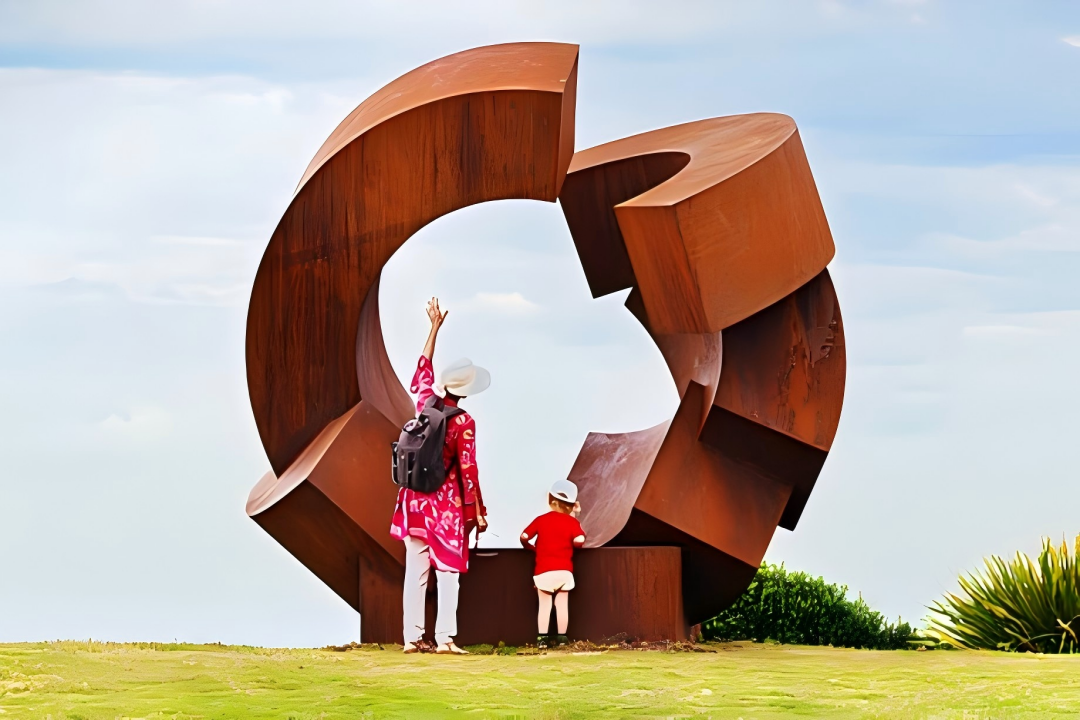
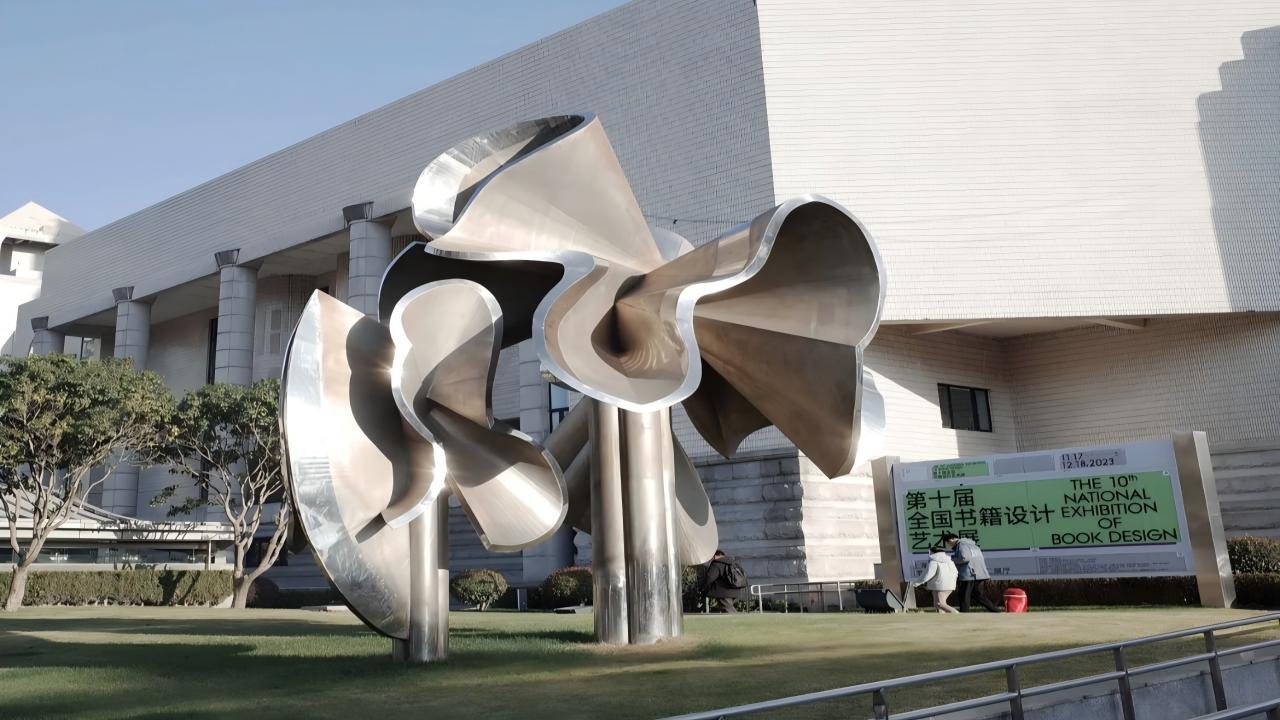
One of the first and most critical considerations when purchasing a large public sculpture is the installation environment. Unlike indoor artworks, public sculptures become permanent elements of the built environment and must perform reliably under real-world conditions for many years.
1. Location Type and Functional Context
The function and visibility of the site directly influence the sculpture’s design approach.
-
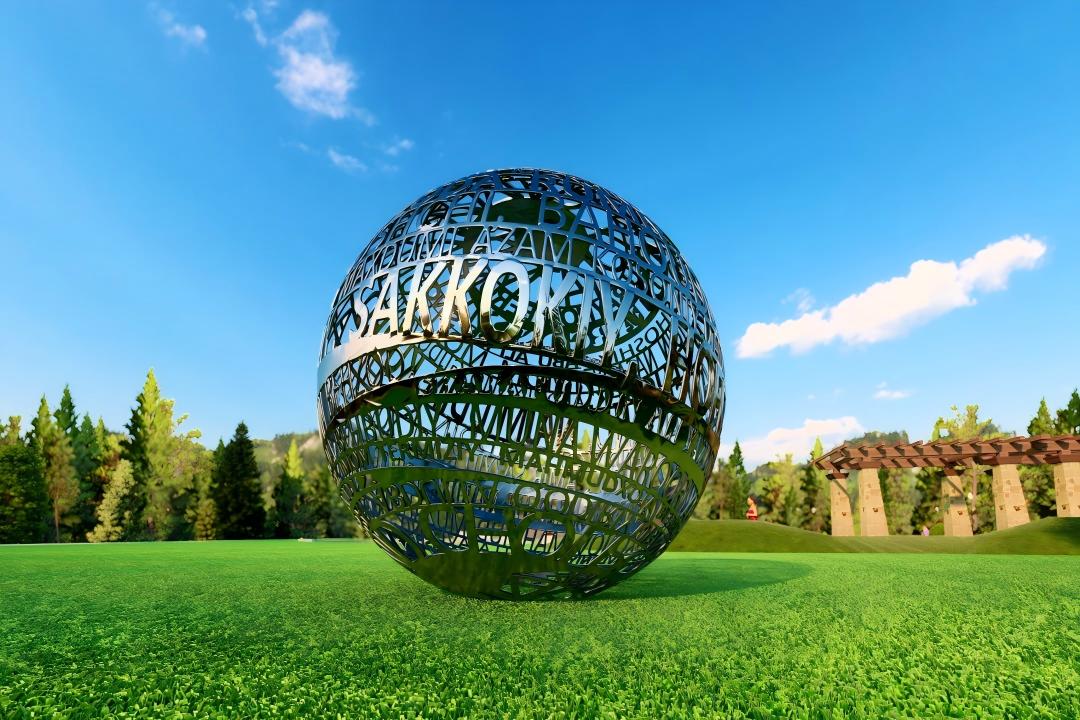
Parks and Green Spaces:
Sculptures in parks are often viewed from multiple angles and at varying distances. They must harmonize with natural landscapes while remaining visually engaging. Considerations include pedestrian circulation, proximity to vegetation, and interaction with open space. -
Public Plazas and Squares:
In plazas, sculptures often serve as visual anchors or gathering points. Scale, proportion, and spatial openness are critical, as the sculpture must hold its presence among surrounding architecture without obstructing movement or sightlines. -
City Entrances and Urban Gateways:
Sculptures at city entrances function as landmarks and symbolic identifiers. These locations typically require bold forms, strong silhouettes, and heightened structural integrity due to high visibility and exposure to traffic-related wind loads. -
Commercial Areas and Mixed-Use Developments:
In commercial settings, sculptures contribute to branding, placemaking, and visitor experience. Design considerations often include alignment with architectural style, corporate identity, and public accessibility.
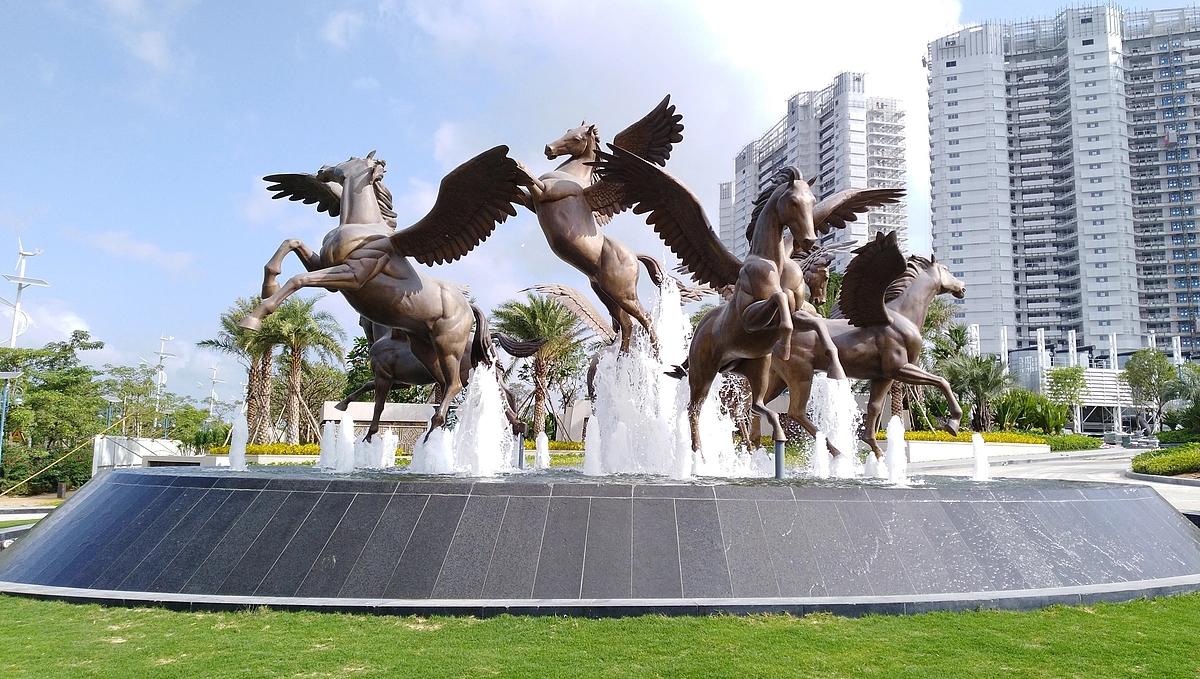
2. Climate and Environmental Conditions
Local climate plays a decisive role in determining material selection, structural design, and surface treatment.
-
Temperature Extremes:
High temperatures can cause material expansion, surface fading, or structural stress over time. Sculptures must be designed to withstand prolonged heat without deformation or degradation. -
Humidity and Rainfall:
In humid or rainy environments, moisture resistance and proper drainage become essential to prevent long-term damage and surface deterioration. -
Wind Exposure:
Open plazas, coastal areas, and high-rise surroundings may experience strong wind loads. Structural engineering must account for wind resistance, anchoring methods, and foundation design to ensure long-term stability. -
Coastal and Marine Environments:
Salt air and corrosion risks require additional protective measures. Material performance, surface finishes, and connection details must be carefully evaluated for coastal exposure.
3. Impact on Size, Structure, and Engineering
Environmental conditions directly affect the sculpture’s feasibility and technical requirements.
-
Scale and Proportion:
The size of a sculpture must correspond to viewing distance, surrounding structures, and spatial openness. Environmental context helps determine whether a monumental or moderate scale is appropriate. -
Structural System:
Internal frameworks, load distribution, and foundation design must respond to site-specific forces such as wind, vibration, and ground conditions. -
Foundation and Installation Constraints:
Soil conditions, underground utilities, and site access influence foundation design and installation methods, which must be considered early in the project.
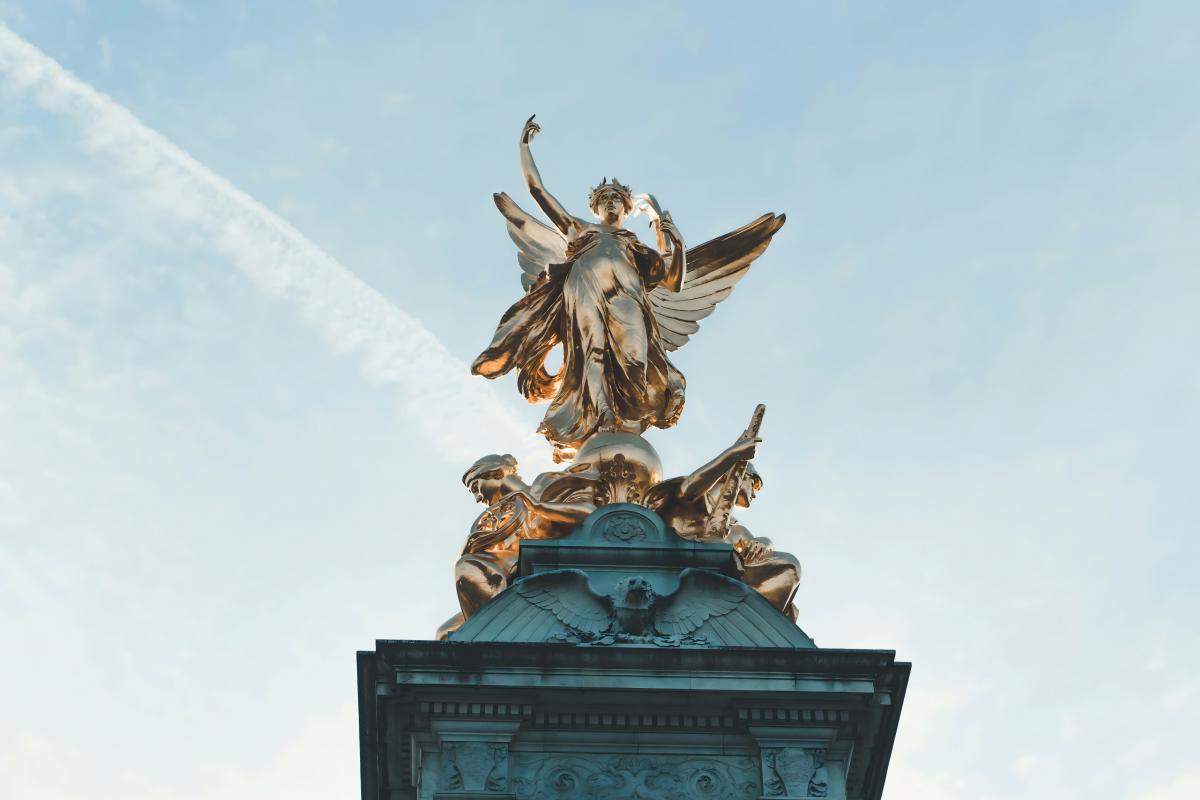
Public sculptures should never be considered merely as works of art placed randomly in an environment. Instead, they must be designed specifically for their site, integrating artistic intent with environmental, technical, and operational realities.
A site-responsive approach:
-
Enhances long-term durability
-
Reduces maintenance and safety risks
-
Ensures visual harmony with the surrounding environment
-
Maximizes the sculpture’s cultural and spatial impact
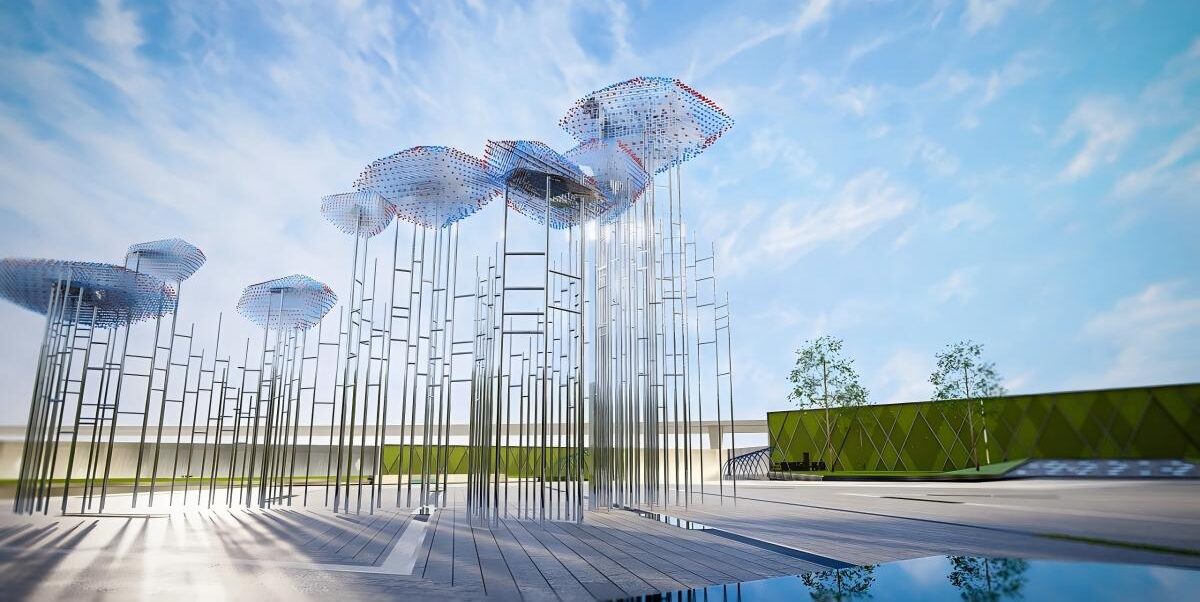
Understanding the installation environment is fundamental to the success of a large public sculpture project. By carefully evaluating location type, climate conditions, and site constraints, buyers can ensure that the sculpture is not only visually compelling but also structurally sound, durable, and well-suited to its intended public space.As a large-scale outdoor sculpture supplier with many years of experience, Vincentaa provides one-stop services from design to installation, tailored to the project’s installation environment, provides you with professional solutions.