When planning an outdoor sculpture project, selecting the appropriate material is one of the most critical decisions. Outdoor sculptures are continuously exposed to sunlight, high temperatures, wind, rain, and humidity. In some regions, they may also be affected by salt spray or desert conditions. Choosing an unsuitable material can result in corrosion, deformation, excessive maintenance costs, or a significantly reduced lifespan.
Key Factors in Choosing Materials for Outdoor Sculptures
Before comparing different materials, it is essential to understand the demands imposed by outdoor environments:
-
Resistance to rust, corrosion, and ultraviolet radiation
-
Structural stability for large-scale installations
-
Long service life with low maintenance requirements
-
Suitability for specific climate conditions (hot, humid, or coastal environments)
-
Visual impact and design flexibility
With these criteria in mind, let us examine the most reliable material options.
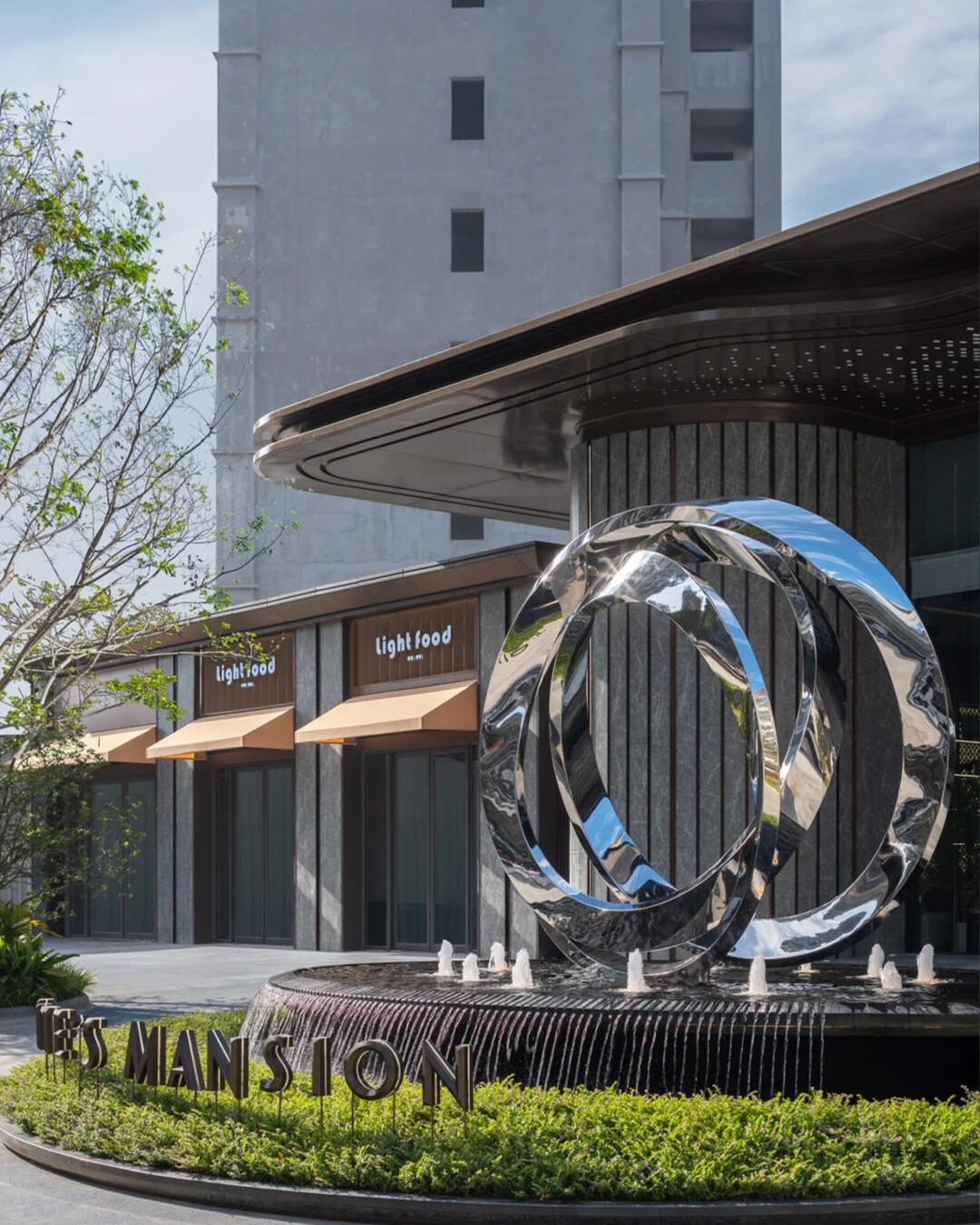
Stainless Steel Sculptures: Modern, Strong, and Weather-Resistant
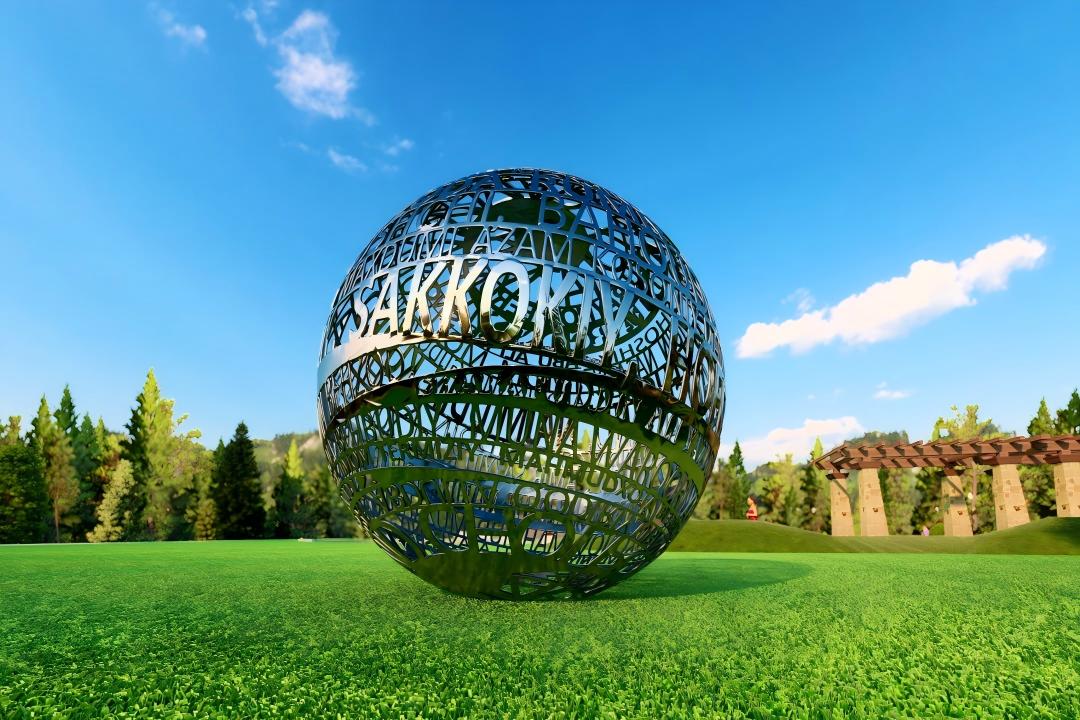
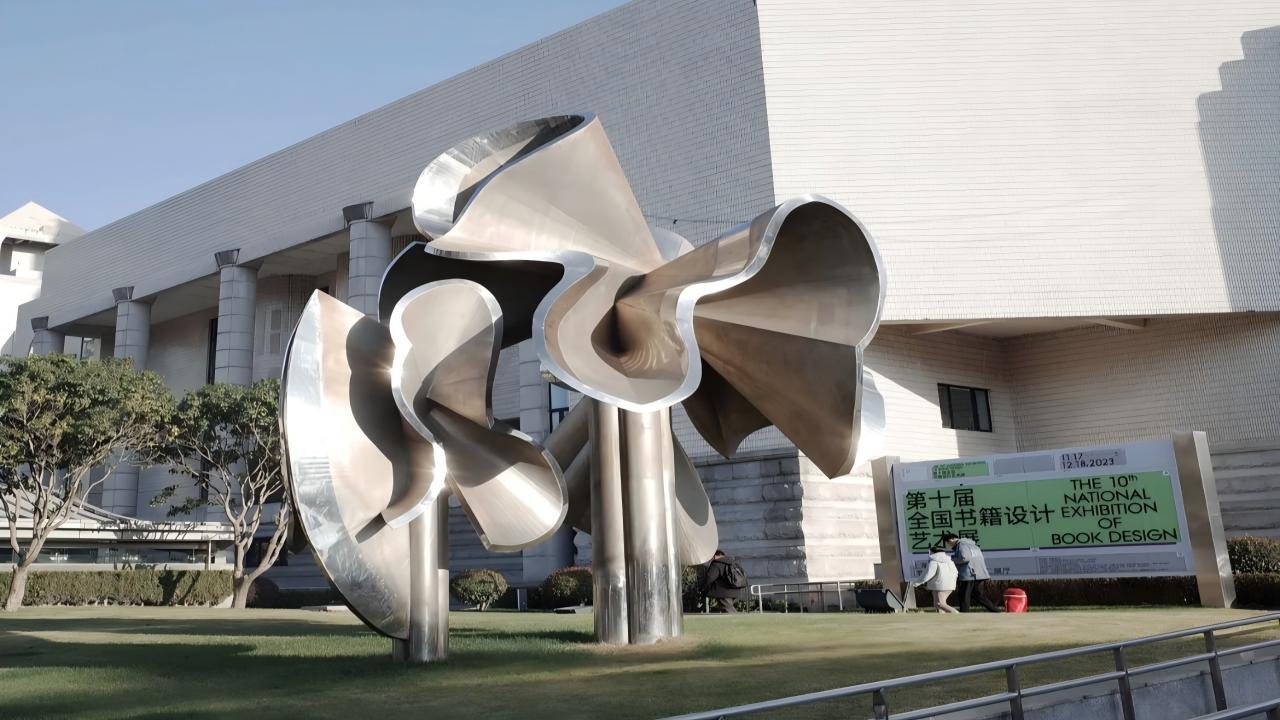
Stainless steel sculptures are among the most popular choices for contemporary outdoor environments, particularly in urban settings and landscapes across the Middle East.
Advantages of Stainless Steel Sculptures
-
Excellent resistance to rust, heat, and corrosion
-
Ideal for hot, humid, and coastal climates
-
High structural strength, suitable for large-scale sculptures
-
A modern aesthetic with surface finishes such as polished, brushed, or mirror effects
Typical Applications
-
Urban landmarks and city gateways
-
Commercial developments and luxury hotels
-
Public art installations in desert or coastal regions
Considerations
-
Requires professional fabrication and welding
-
Surface finishes may need regular cleaning to maintain appearance
For projects that demand bold, modern aesthetics combined with long-term performance, stainless steel sculptures are often the optimal solution.

Bronze Sculptures: A Durable Classic for Outdoor Use
For centuries, bronze sculptures have been used in outdoor art and remain one of the most trusted materials for public and landmark projects.
Advantages of Bronze Sculptures
-
Outstanding corrosion resistance and weather durability
-
Develops a natural patina over time, enhancing visual appeal
-
Extremely strong and structurally stable
-
Suitable for both figurative and abstract designs
Typical Applications
-
City landmarks and monuments
-
Public squares and cultural institutions
-
Government and heritage projects
Considerations
-
Higher material and production costs
-
Heavy weight, requiring professional installation
If durability, prestige, and artistic value are the primary objectives, bronze sculptures are an ideal choice.
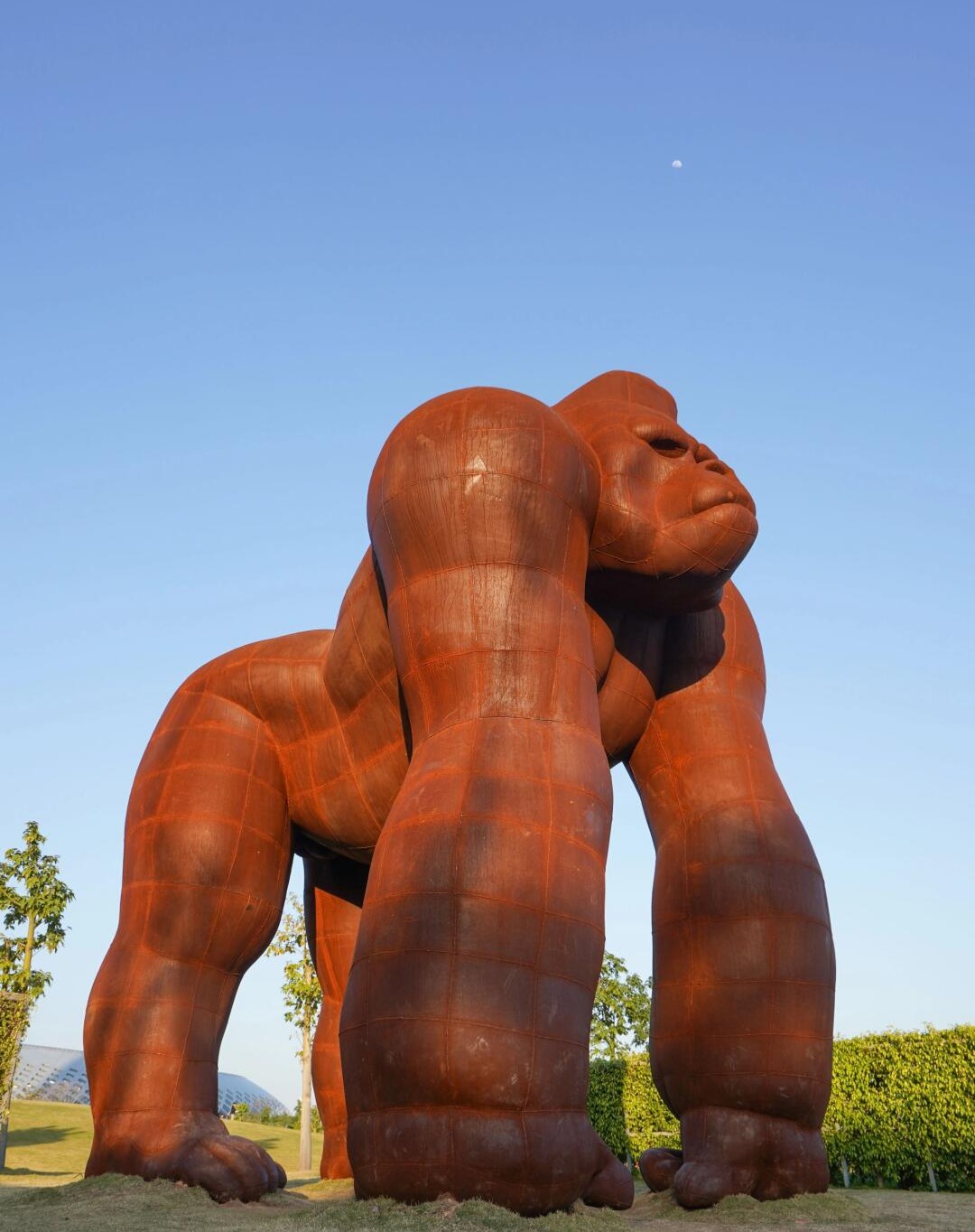
Corten Steel Sculptures: Durable with an Industrial Aesthetic
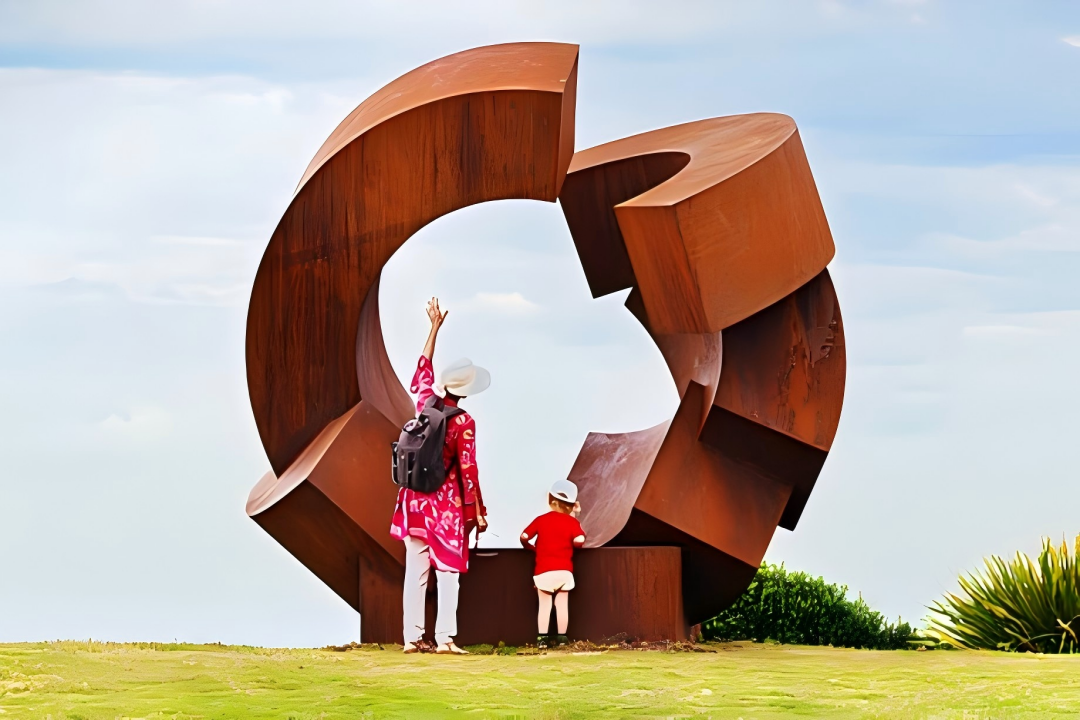
Corten steel forms a stable, protective oxide layer when exposed to outdoor conditions. This distinctive rust-colored surface actually prevents further corrosion.
Key Advantages
-
Exceptional durability in outdoor environments
-
Minimal maintenance requirements
-
A distinctive industrial and artistic character
-
Ideal for large-scale, abstract, and landmark sculptures
Suitable Settings
-
Urban public spaces
-
Contemporary landscape design
-
Industrial-style or minimalist projects
Points to Note
-
Initial rust runoff requires proper drainage design
-
Not suitable for projects that demand a pristine “clean” appearance