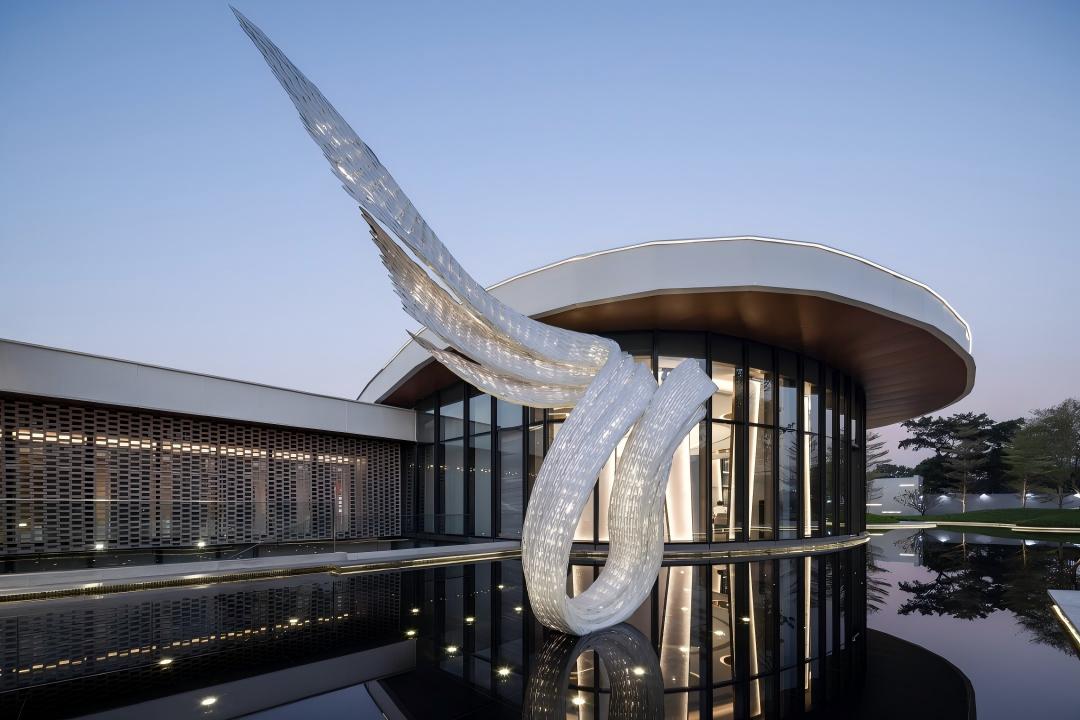
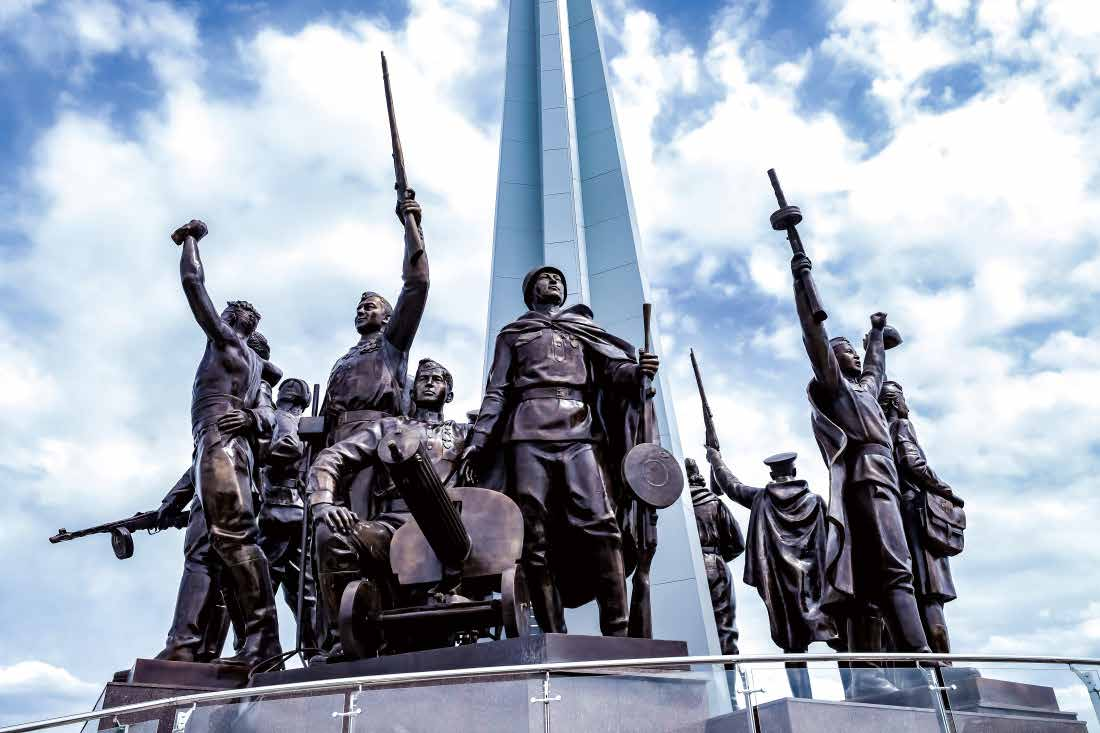
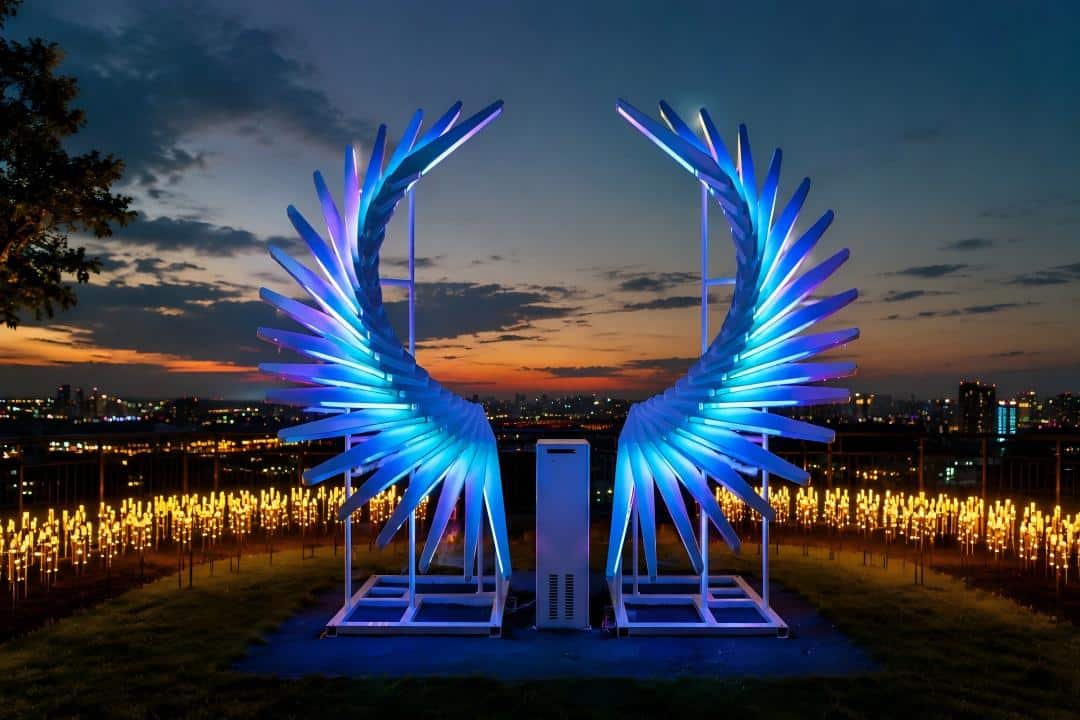
In urban environments, roundabouts are ideal locations for landmark sculptures. However, unlike plazas or city entrances, roundabout sculptures must meet multiple requirements simultaneously—360° visibility, dynamic viewing from moving vehicles, and strict traffic safety considerations. Therefore, selecting the right sculpture solution is critical to the final outcome of the project.
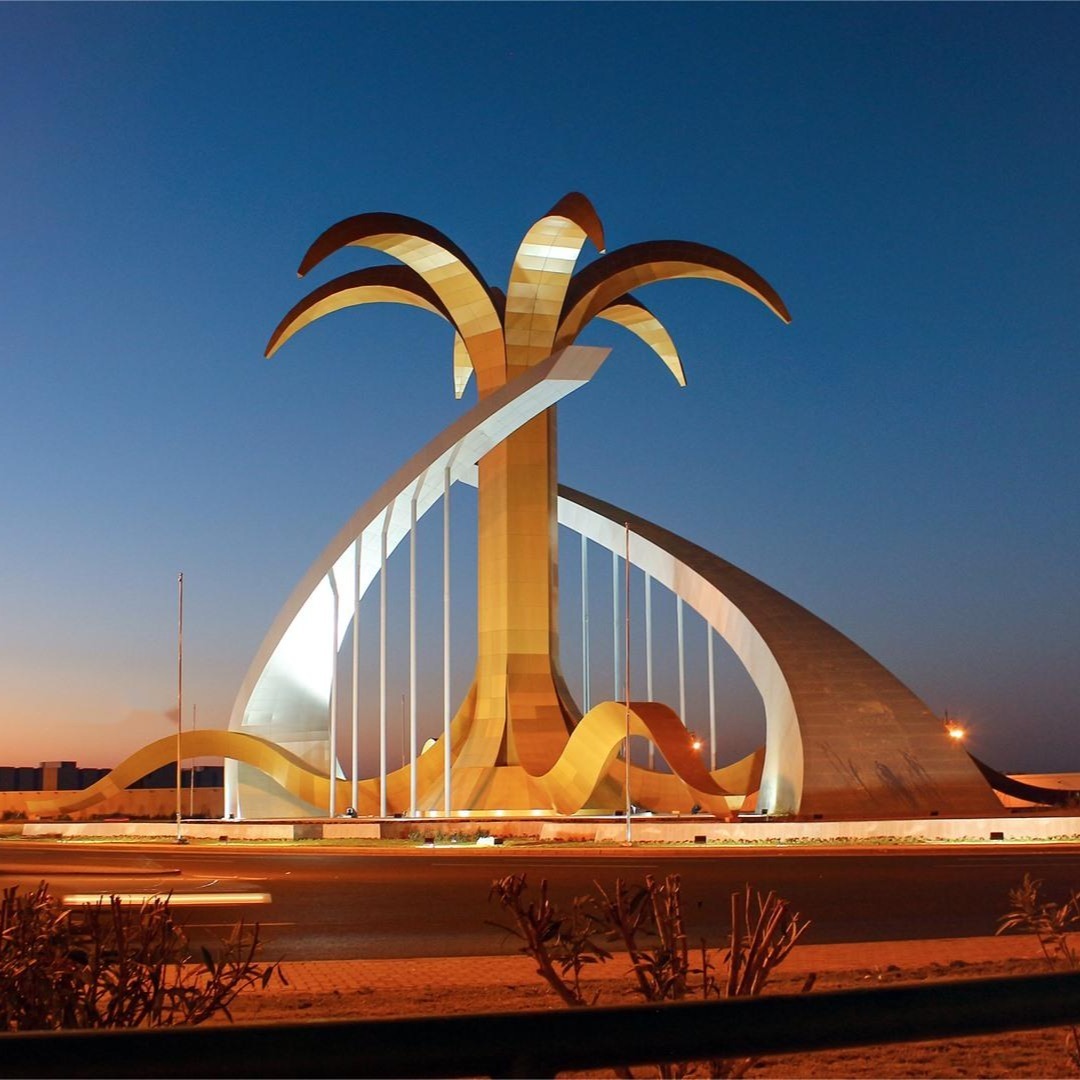
Step 1: Prioritize 360° Visibility
Unlike plaza or gateway sculptures, roundabout installations have no fixed “front view.” Vehicles approach from all directions, meaning the sculpture is continuously viewed from every angle. The design must maintain integrity and recognizability in a full 360° range.
Avoid:
- Designs that emphasize only a single primary façade
- Overreliance on localized details or one-sided visual effects
- Forms that appear incomplete or visually “empty” from certain angles
Step 2: Scale and Proportion
Roundabouts are typically located within open road systems, requiring sculptures with sufficient scale to establish a visual focal point.
If too small:
- The sculpture lacks presence
- It fails to function as a landmark
If too large:
- It may disrupt spatial balance
Key factors to determine appropriate size:
- Roundabout diameter
- Road width
- Viewing distance from moving vehicles
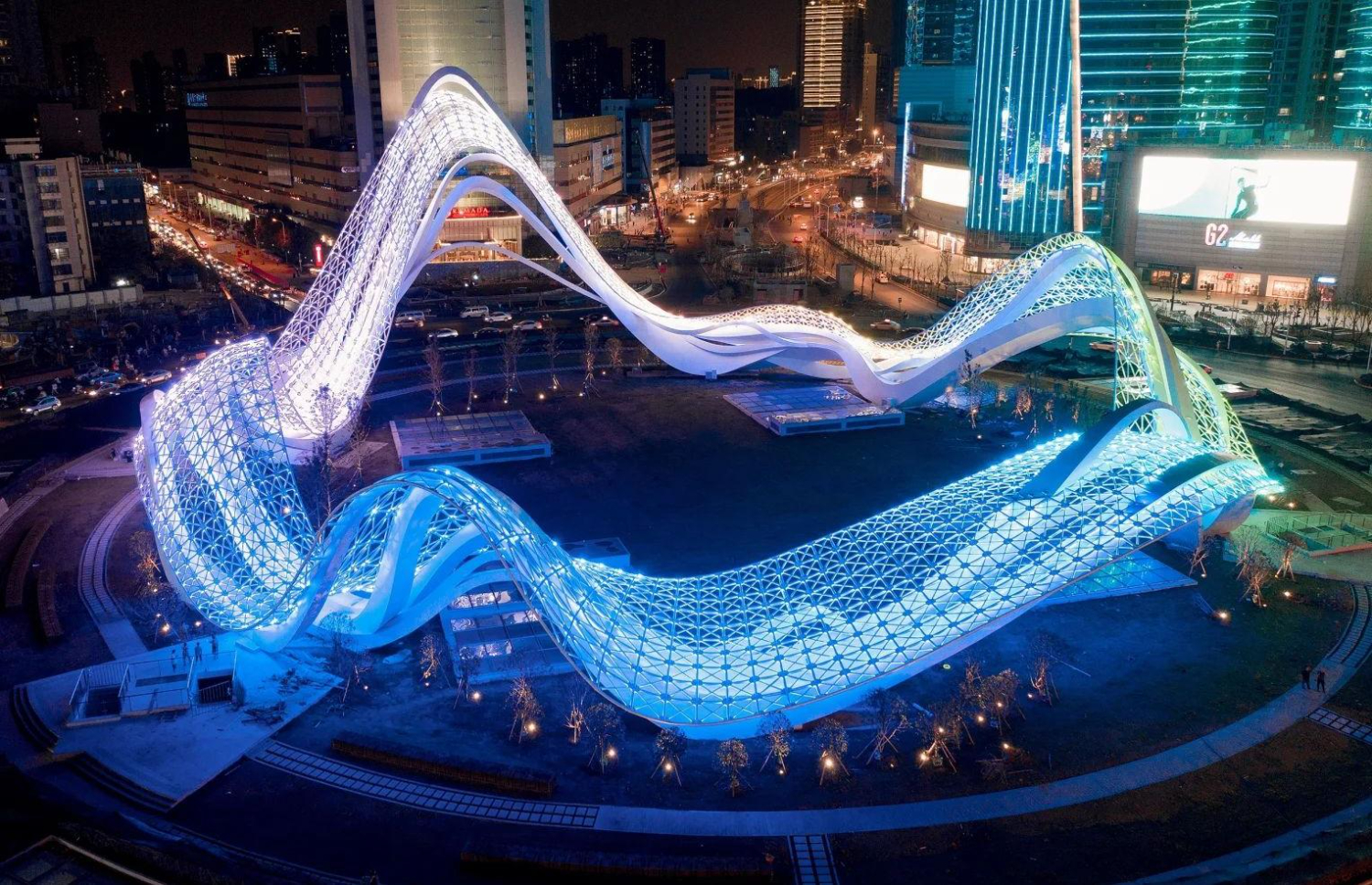
Step 3: Material Selection & Structural Stability
Roundabout sculptures are fully exposed to outdoor conditions, including high temperatures, strong UV radiation, dust, and in some regions, salt-laden air. They must also withstand wind loads and long-term environmental impact.
Common materials include:
- Stainless Steel: Durable, weather-resistant, and suitable for contemporary urban settings
- Corten Steel: Forms a stable protective rust layer, ideal for outdoor environments
- Bronze: Solid and refined, suitable for cultural or commemorative projects
Compared to other applications, roundabout sculptures must balance:
Visual impact + long-term durability
Additionally, structural stability is critical—anchoring systems and wind resistance must be carefully engineered to ensure long-term safety.
Step 4: Design for Dynamic Viewing
Most viewers experience roundabout sculptures while driving, often within just a few seconds. The design must be instantly recognizable and memorable.
Focus on:
- Simplicity of form
- Clear and strong silhouettes
- Immediate visual recognition
- Integration of local culture, urban identity, or regional themes
Step 5: Traffic Safety & Visibility
As key traffic nodes, roundabouts require safety to be the top priority. Sculptures must not interfere with driving visibility or traffic flow.
Key considerations:
- Do not block driver sightlines
- Do not obstruct traffic signage
- Avoid creating visual blind spots
- Avoid overly complex or distracting forms
In some projects, designers reduce visual impact by controlling height, introducing structural transparency, or elevating the sculpture to maintain a lighter visual presence.
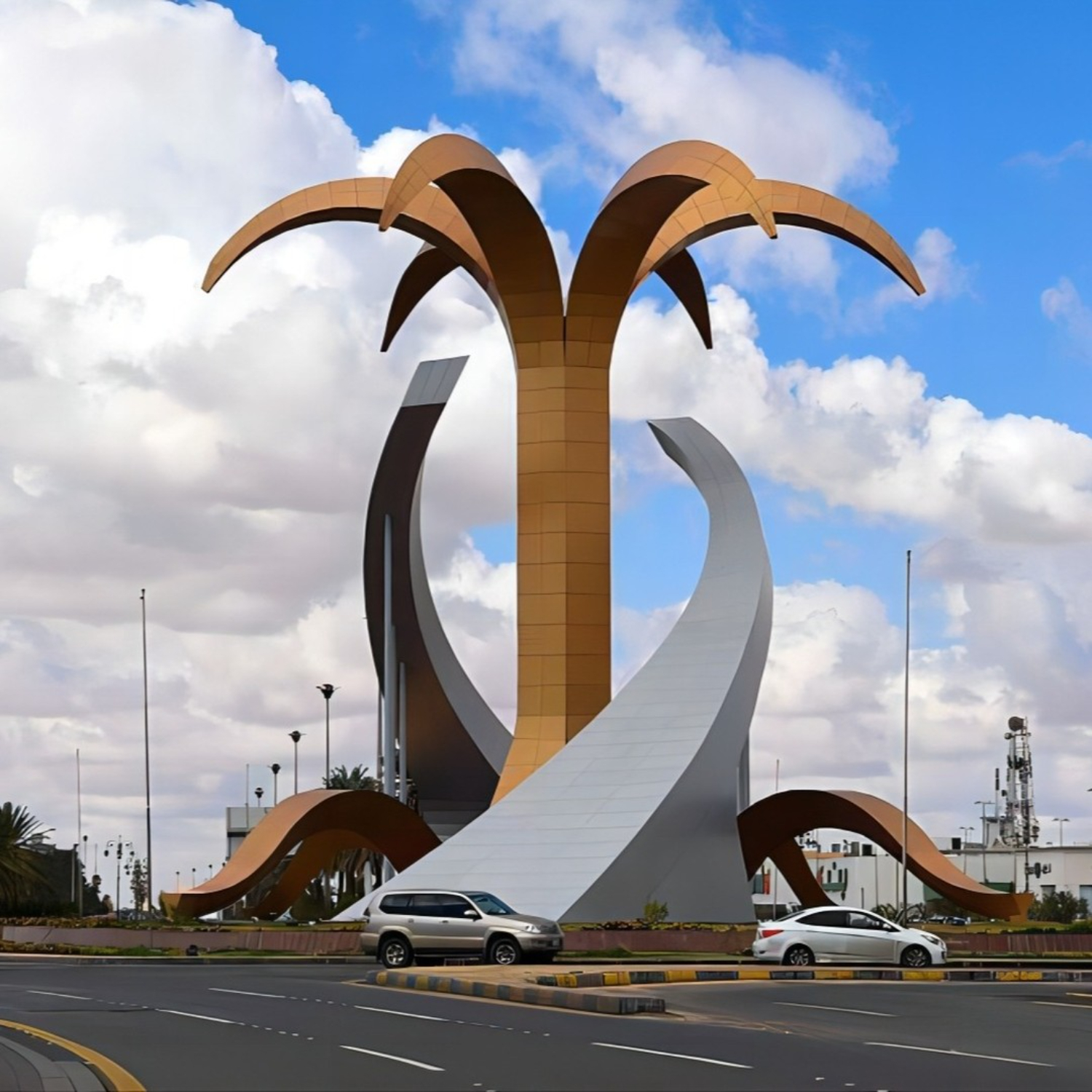
Roundabouts offer high visibility and exposure—but also present unique challenges not found in plaza-based sculptures. The most successful roundabout landmarks achieve a precise balance between visual impact and traffic safety.At Vincentaa, we go beyond sculpture fabrication. We ensure each project is structurally stable, safe, durable, and perfectly adapted to the specific demands of roundabout environments.