
The Middle East is one of the most challenging regions in the world for outdoor sculptures. Extreme heat, intense sunlight, sandstorms, and coastal salt-laden air all impose severe environmental conditions. These factors continuously test the durability of public art installations. Under such conditions, stainless steel stands out as an ideal material for outdoor sculptures.
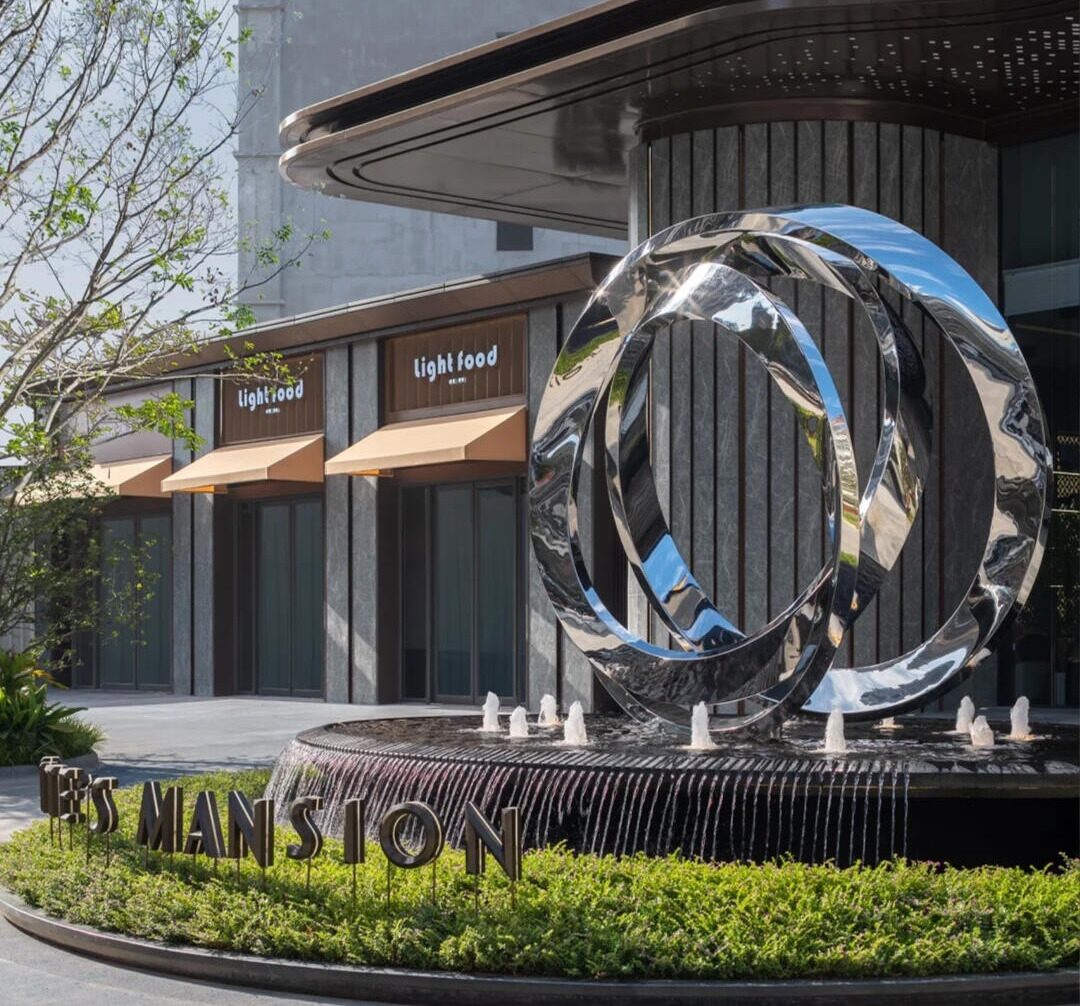
1. Excellent High-Temperature Resistance
Summer temperatures in the Middle East are extremely high, often exceeding 40°C (104°F). Under prolonged exposure to intense sunlight, many materials may deform, fade, or crack.
Stainless steel maintains stable performance under such conditions because:
- Heat expansion is predictable and controllable
- It resists deformation and surface degradation even under continuous sunlight
This makes it a reliable material for large-scale outdoor sculptures exposed to strong sunlight over long periods.
2. Strong Adaptability to Coastal and Marine Environments
Many Middle Eastern cities are located along coastlines, where sculptures are exposed to high levels of humidity and salt.
Stainless steel offers key advantages:
- Excellent corrosion resistance
- Stable performance in high-salinity and humid environments
- Long-term durability when appropriate surface treatments are applied
For public art installations in coastal parks, waterfronts, and commercial plazas, stainless steel is a highly suitable choice.
3. Outstanding Resistance to Sand and Dust
Frequent sandstorms and airborne dust are common in the Middle East, causing continuous abrasion to sculpture surfaces.
Stainless steel performs well in such conditions because:
- Its high hardness provides strong resistance to wear
- Smooth surfaces reduce dust accumulation
- It is easy to clean and maintain
These characteristics help preserve the sculpture’s appearance even in harsh desert environments.
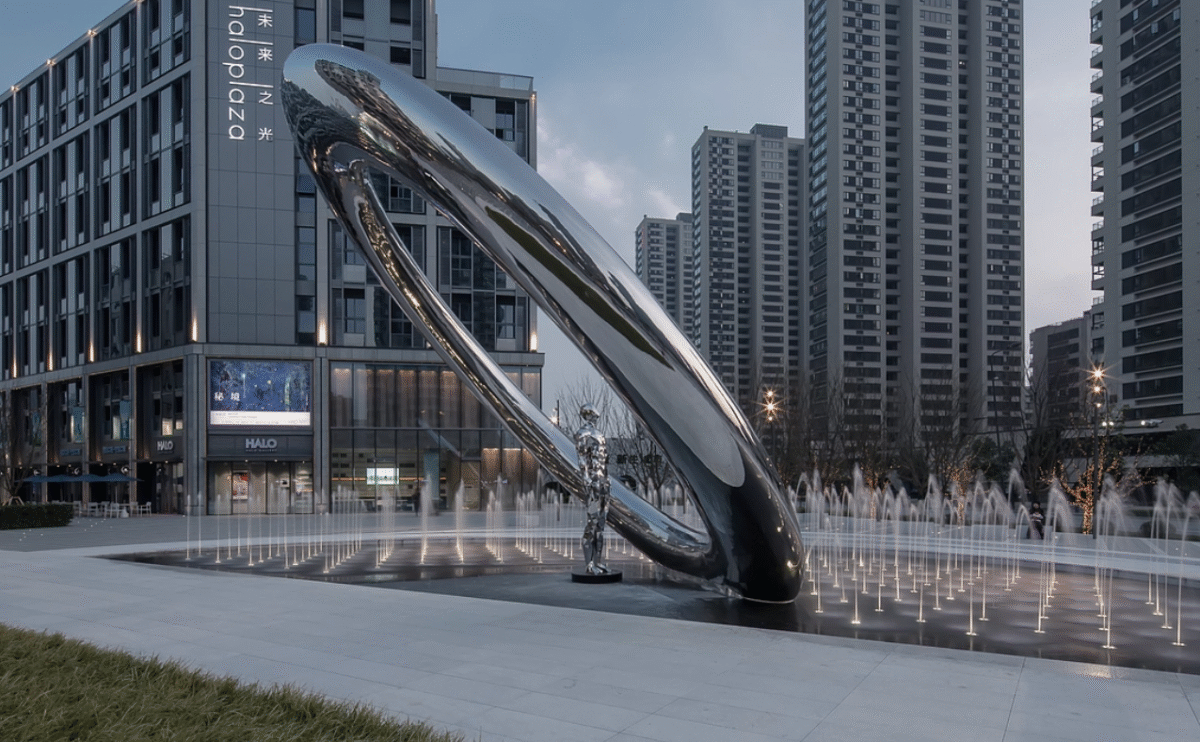
4. Achieving Modern and High-End Aesthetic Effects
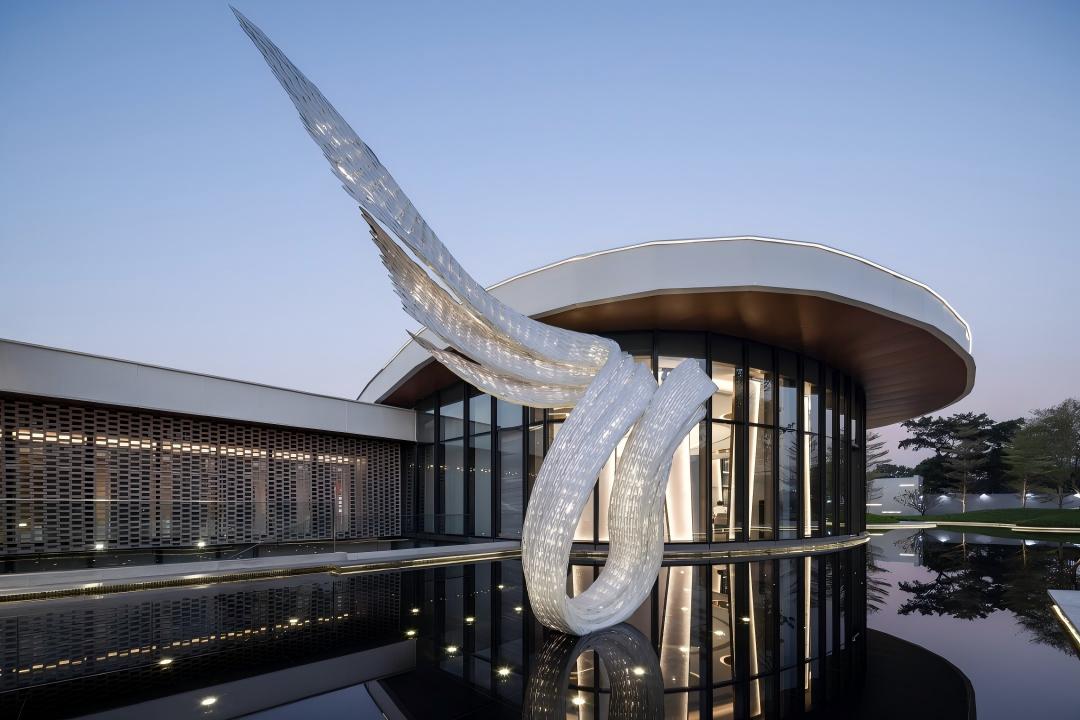
Public sculptures in the Middle East often serve as urban landmarks and symbols of modernity.
Stainless steel offers:
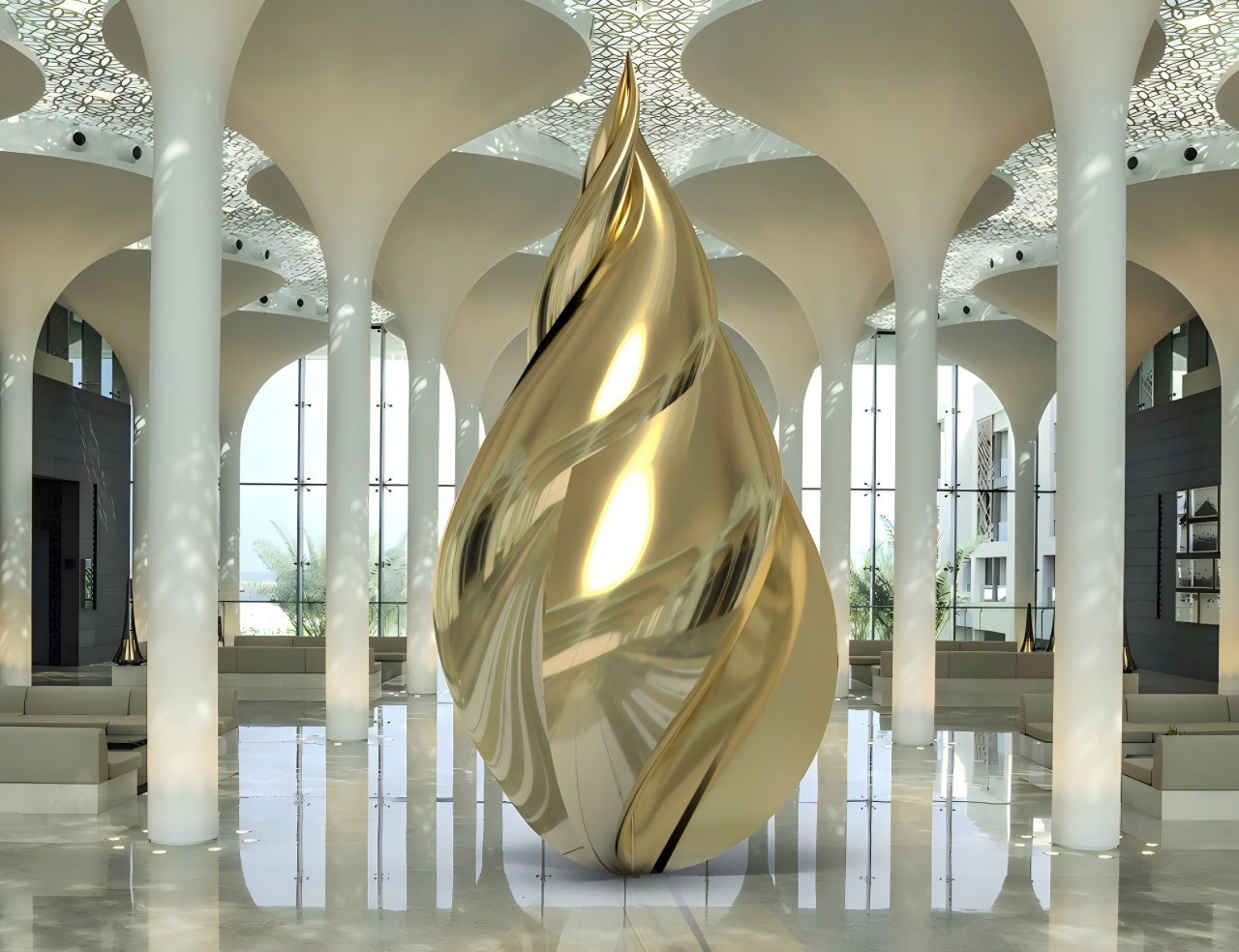
- A strong contemporary visual appeal
- Reflective surfaces that interact dynamically with surroundings
- Flexibility for complex and innovative forms
This allows designers to create iconic, futuristic artworks while ensuring structural safety.
5. Artistic Expression and Visual Impact
Stainless steel sculptures are highly expressive and visually striking.
They can achieve:
- Mirror-like reflections of the surrounding environment
- Dynamic visual effects under changing light conditions
- Strong spatial interaction with architecture and landscape
These qualities enhance the overall presence and impact of public art installations.
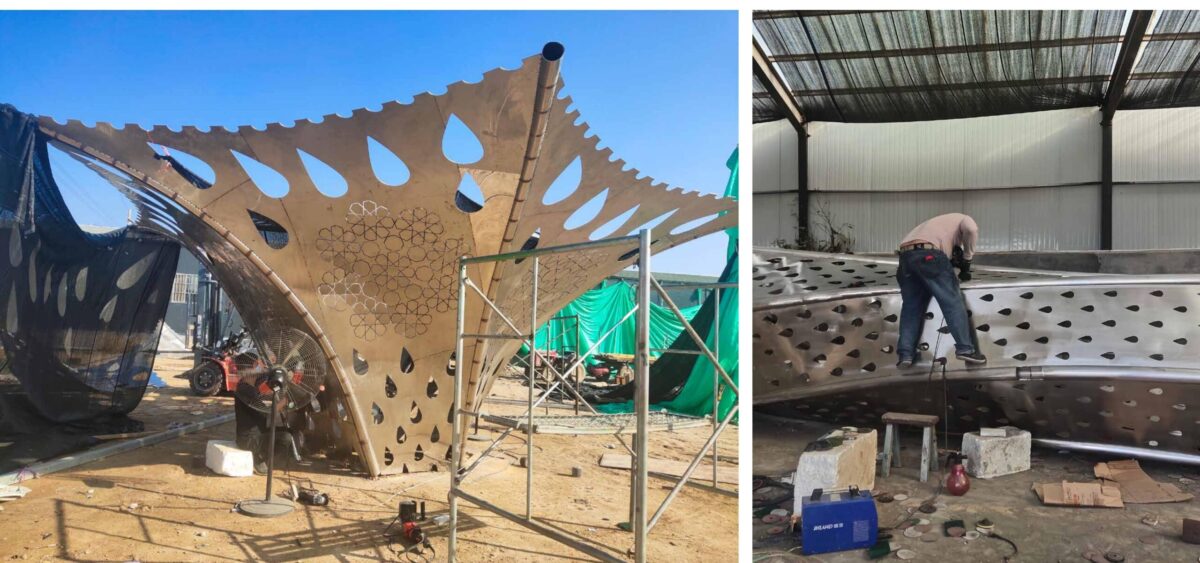
The harsh climate of the Middle East—including extreme sunlight, sandstorms, high temperatures, and coastal humidity—demands exceptional material performance for outdoor sculptures.
Stainless steel, with its durability, corrosion resistance, and aesthetic versatility, has become one of the most reliable and widely used materials for large-scale public sculptures in the region.
As a professional outdoor sculpture manufacturer, Vincentaa provides comprehensive support—from design and material selection to fabrication and installation—ensuring each project is engineered to withstand challenging environments while maintaining long-term visual appeal.
6 回复
How are you?
A really good blog and me back again.
每天都在战争,希望2026和平.
看不懂但大受震撼
wish you all the best
wish you best and best