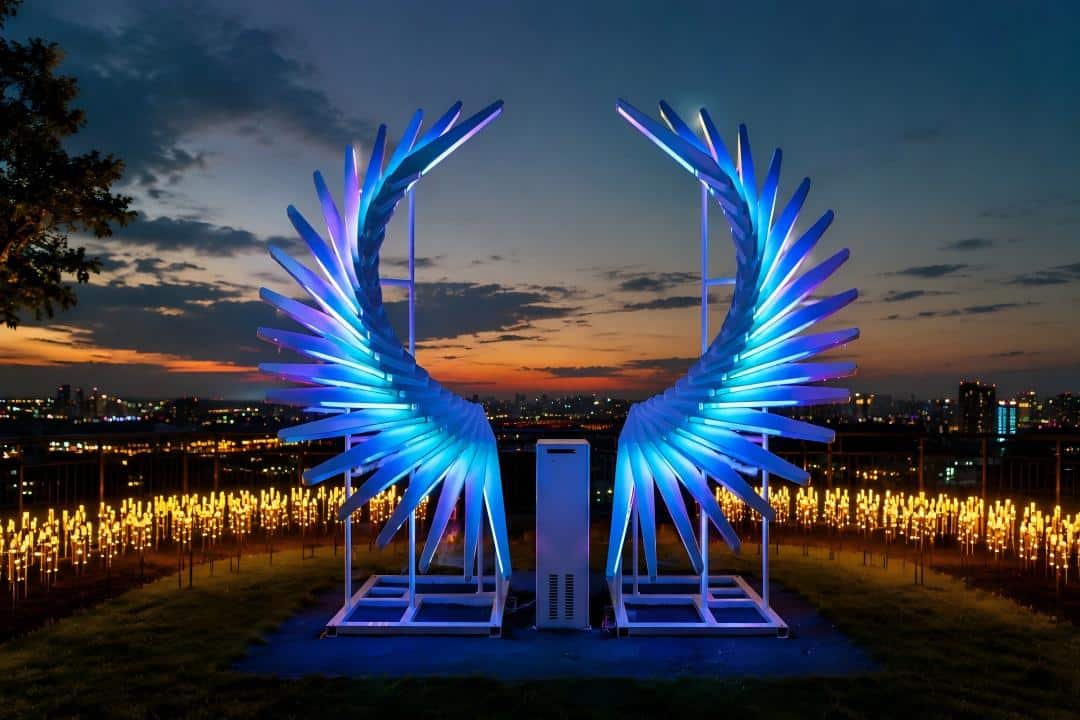
Every project site has its own unique design environment. Choosing the right material ensures that a sculpture will remain visually appealing and naturally integrated with its surroundings for many years. For any project, material selection is the first step in transforming a design concept into a real-world landmark.
Below is how we match materials to different types of public spaces:
1. Urban CBDs and Commercial Plazas: Creating a Futuristic Atmosphere
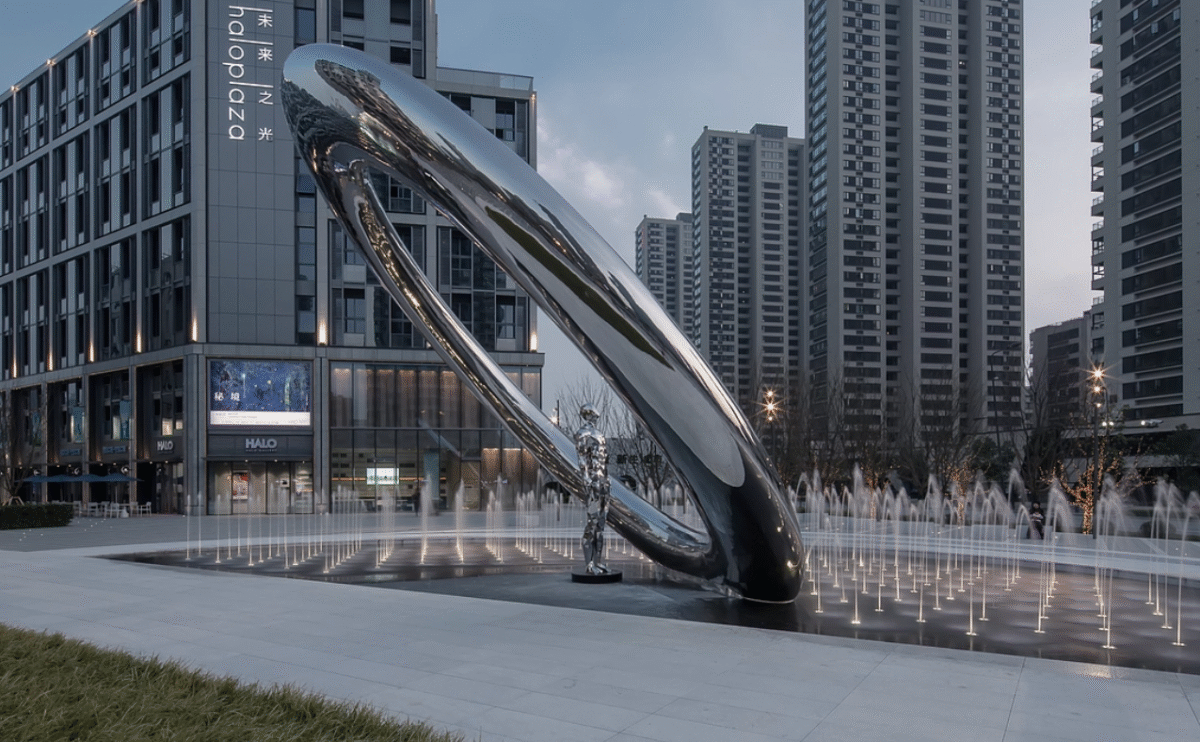
In central business districts filled with glass curtain walls and steel-structured buildings, sculptures should resonate with the surrounding modern architecture.
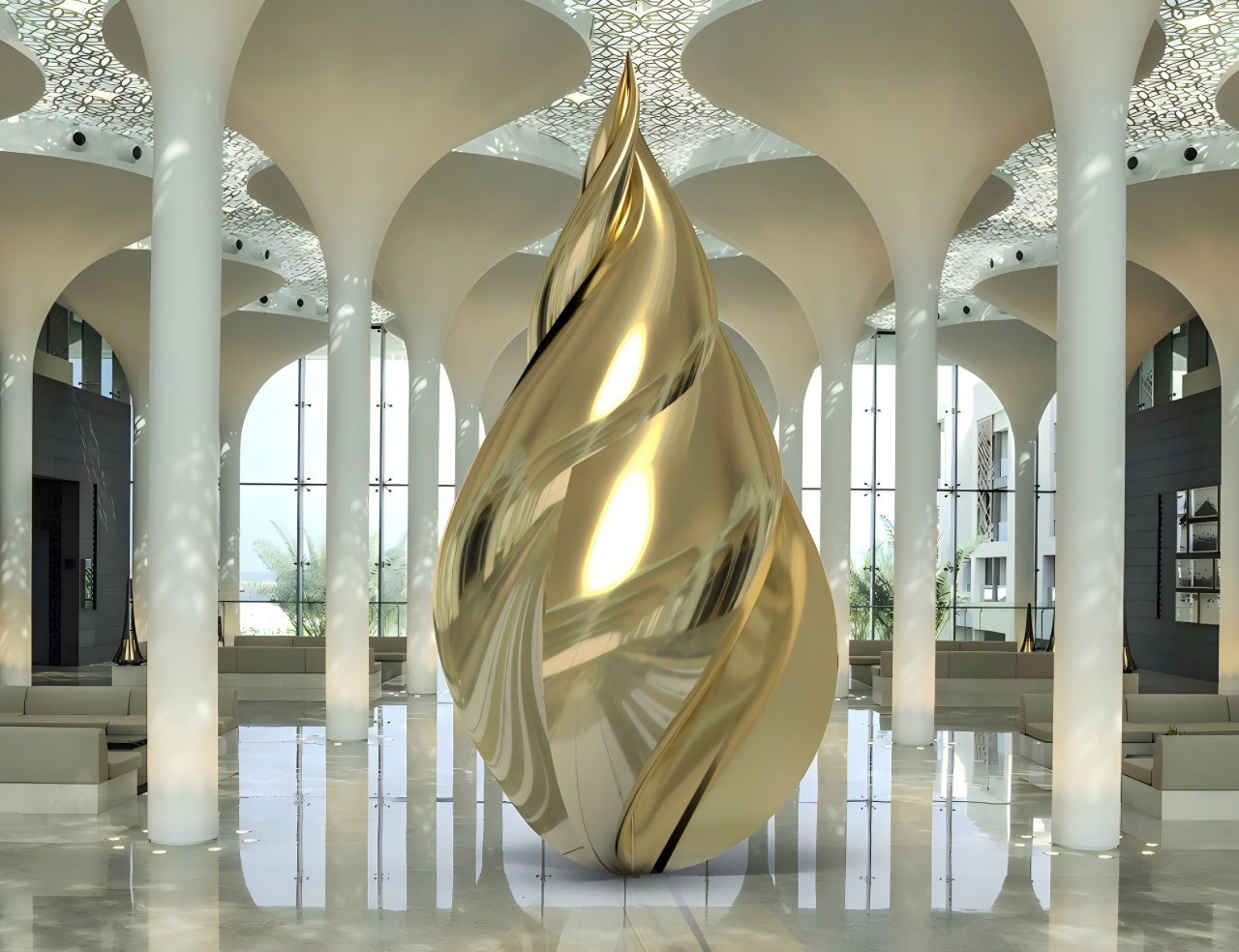
Best Material: Mirror-finished stainless steel
Why: Its reflective surface mirrors surrounding buildings and lighting, creating a strong sense of technology and contemporary style.
Professional Tip: Ensure the surface is perfectly flat and free of any distortion or waviness to achieve a true mirror effect.
2. Seaside Resorts and Marinas: Corrosion Resistance Is Critical
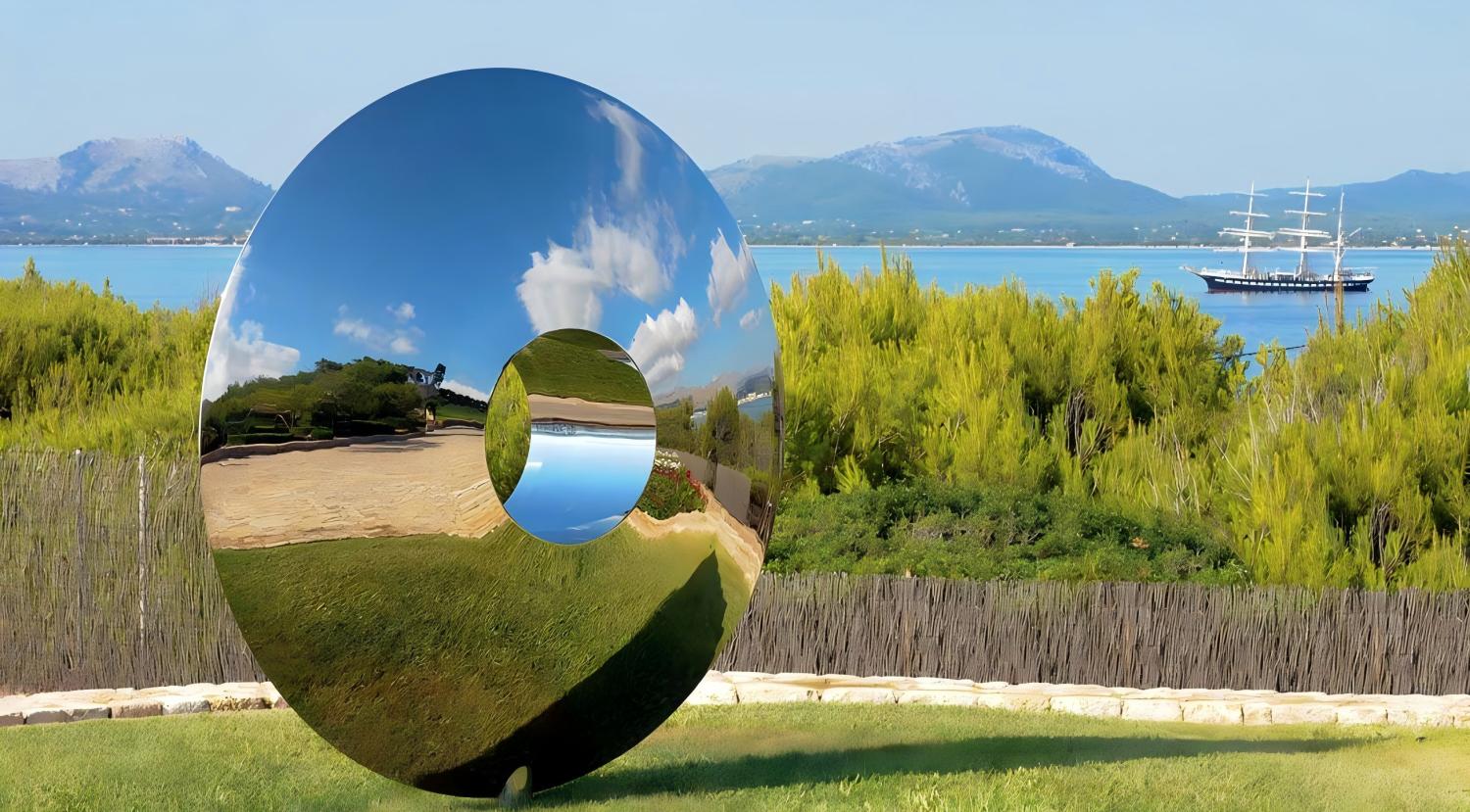
If the project is located along coastal areas such as the Persian Gulf or the Red Sea, the high salt content in sea air becomes the main enemy of metal sculptures.
Best Material: 316L stainless steel
Why: Never use 304 stainless steel in coastal environments. 316L offers superior corrosion resistance and can remain rust-free for many years.
Professional Tip: Never take risks with coastal projects—choosing the wrong material can result in rust within a year. Selecting 316L helps avoid costly maintenance issues later.
3. Desert Parks and Natural Landscapes: Blending with Nature
The Middle East is known for its vast desert landscapes. In such environments, sculptures should not appear isolated but instead become part of the surrounding scenery.
Best Material: Corten steel (weathering steel)
Why: Its natural orange-brown patina complements red desert sands and rugged terrain perfectly. It requires no painting and becomes more visually appealing over time.
Professional Tip: This is a low-maintenance material, making it particularly suitable for large-scale park projects.

4. City Gateways, Civic Squares, and Landmark Spaces: Conveying Authority and Permanence
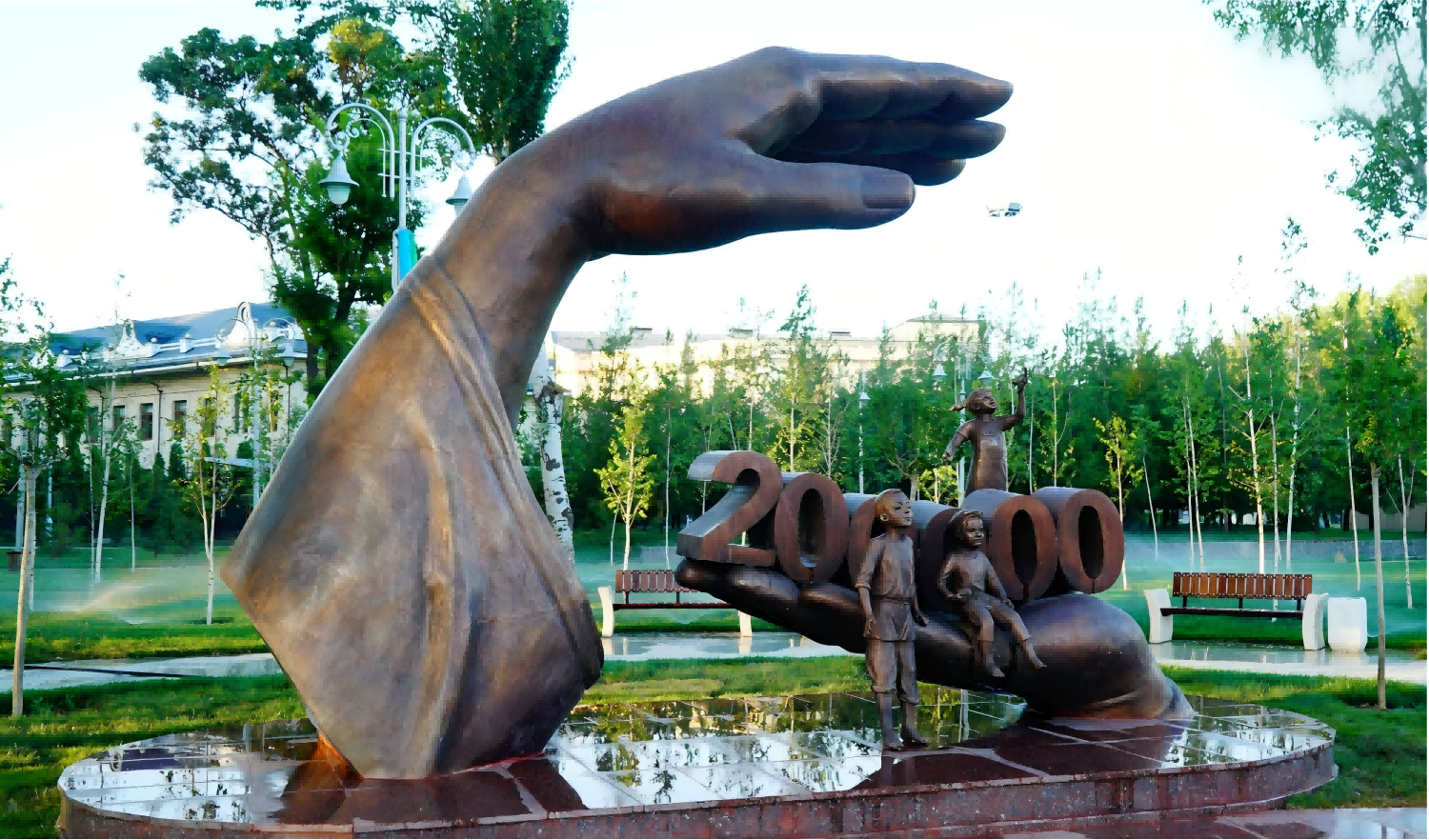
Urban gateways and major landmarks represent the identity of a city. These spaces require materials that feel substantial and capable of withstanding decades—or even centuries—of exposure.
Best Material: Bronze
Why: Bronze symbolizes history and prestige. It has long been the preferred material for monuments and government projects. Over time, its natural patina adds depth and cultural significance to city landmarks.
Professional Tip: Bronze can significantly elevate the perceived value of a project, adding sophistication and prestige.
Professional Tips to Avoid Common Mistakes
Before finalizing a material choice, do not rely solely on sample pieces. Be sure to evaluate the following two factors:
Lighting Tests: The same material can look very different under factory lighting compared with strong outdoor sunlight.
Touch Safety: If the sculpture will be installed in a public area where pedestrians can touch it, consider heat conductivity issues during hot summer conditions.
Vincentaa provides comprehensive support for public sculptures worldwide—from design and material consultation to fabrication and installation guidance. If you are planning a sculpture for a public project, simply share the site conditions (coastal, inland, or CBD environment), and we will provide a free material-matching recommendation tailored to your project.