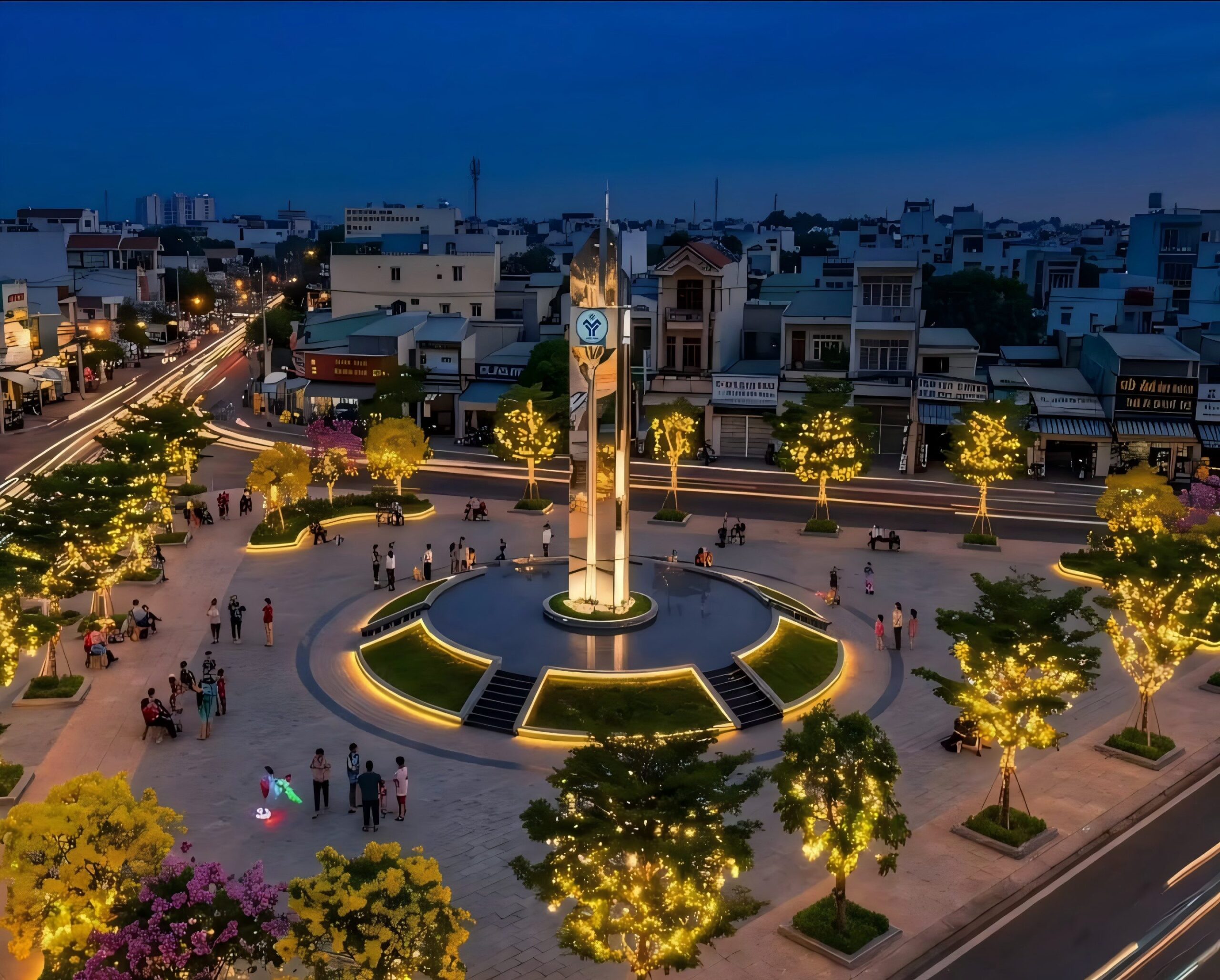
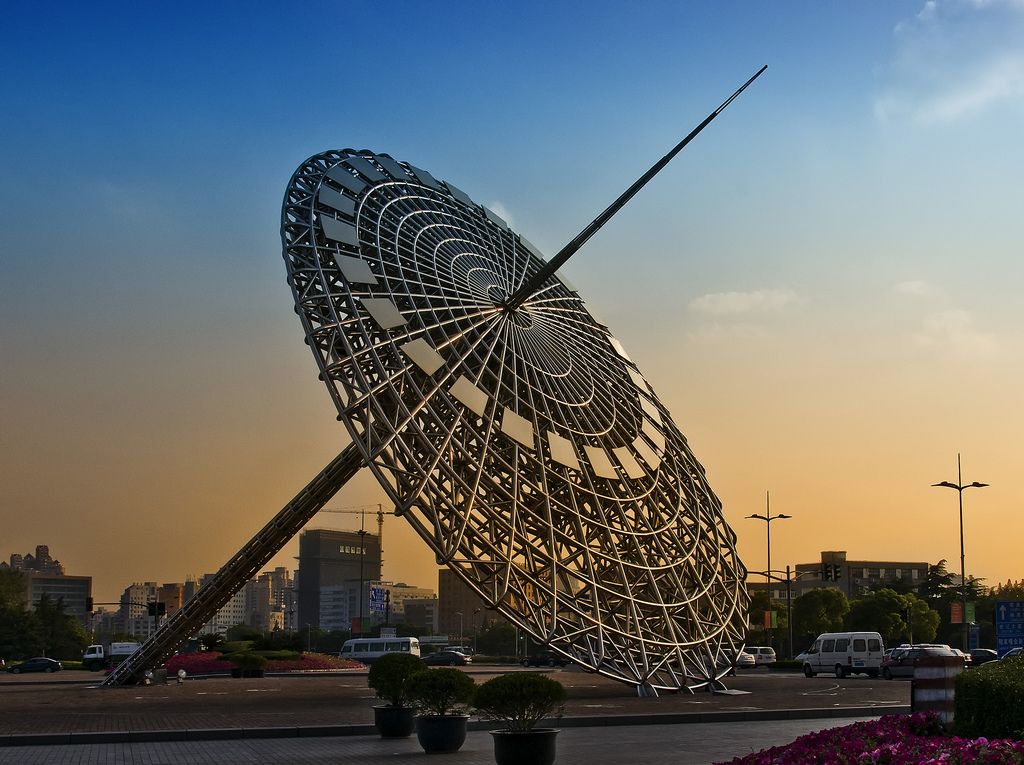
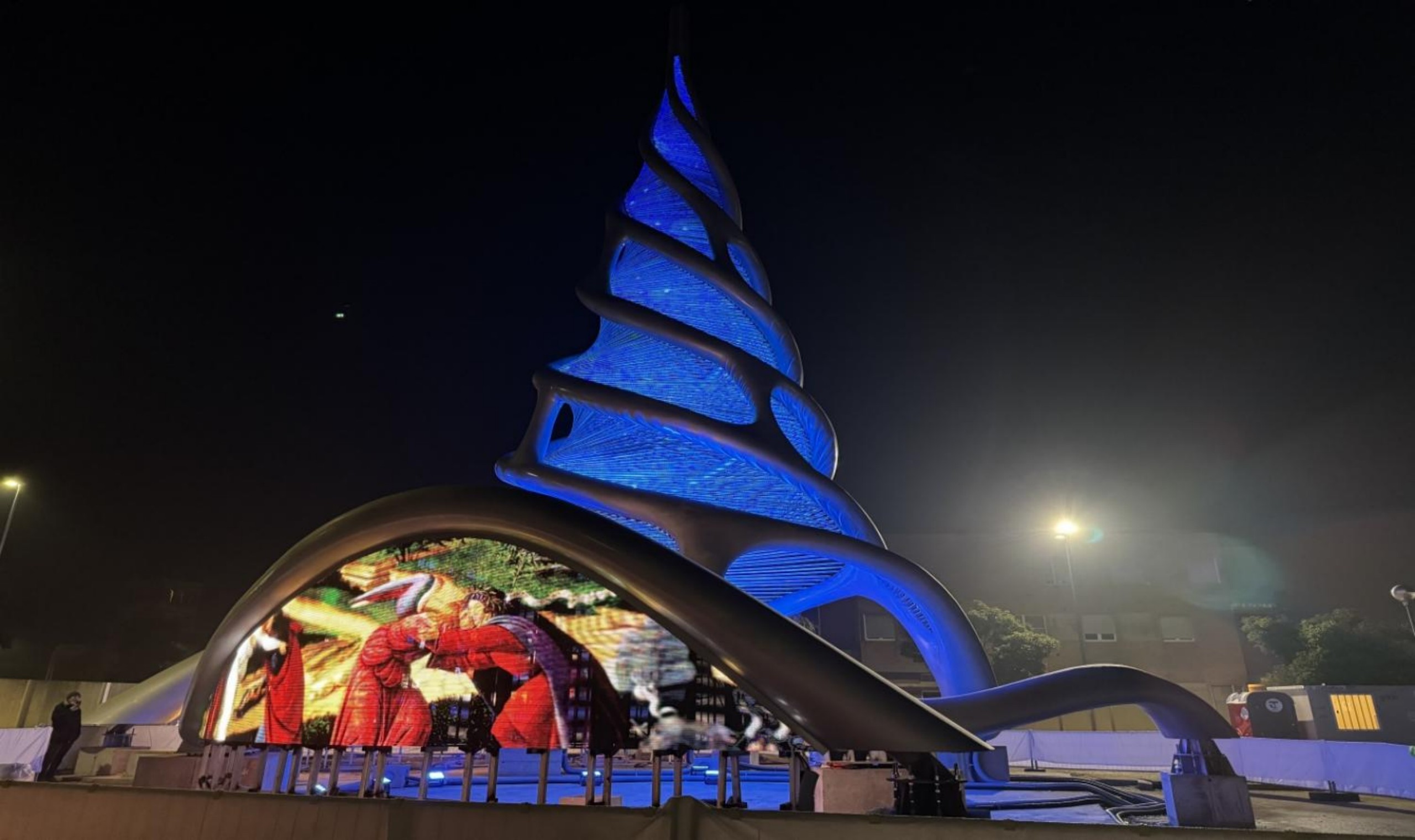
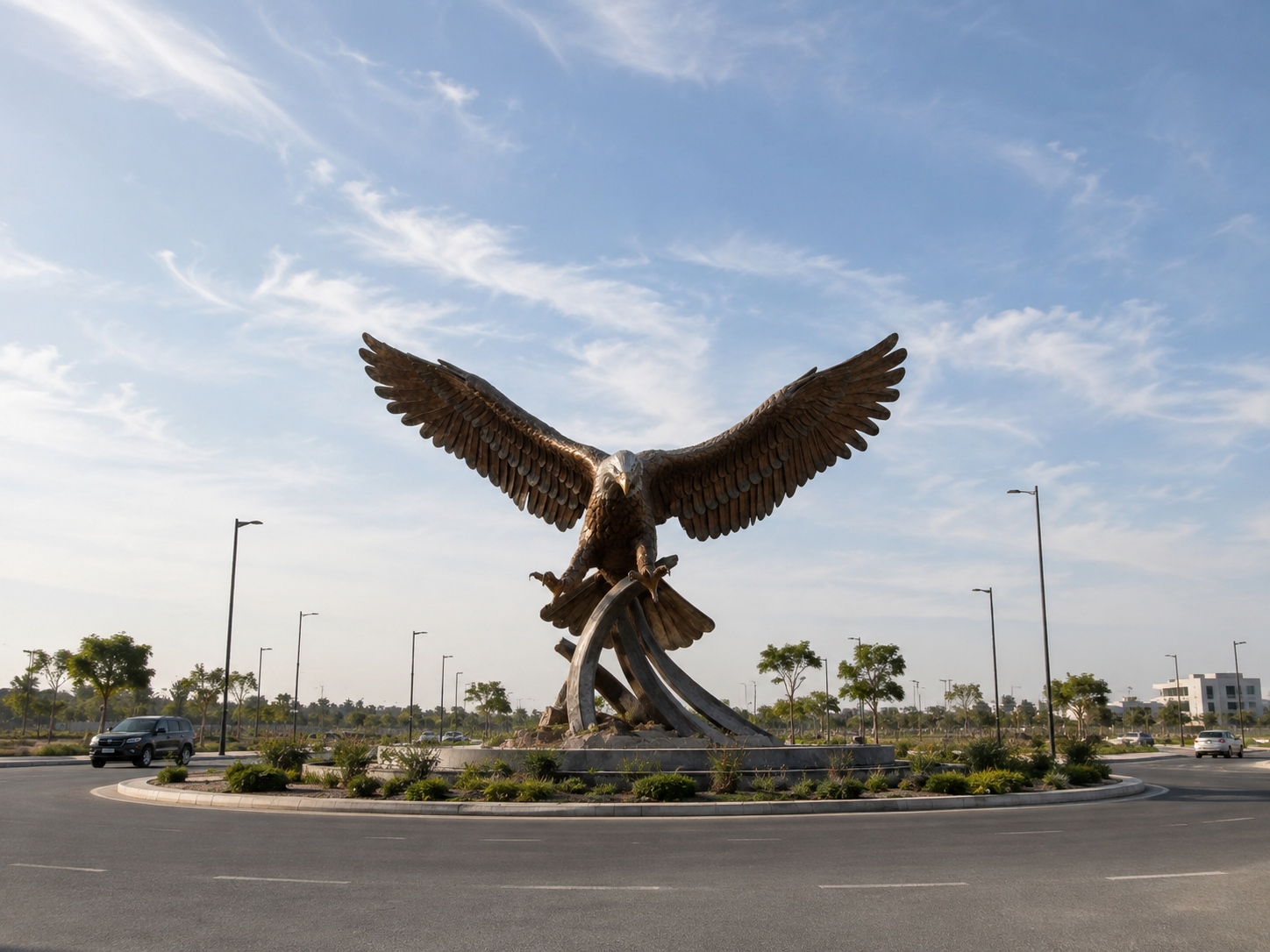
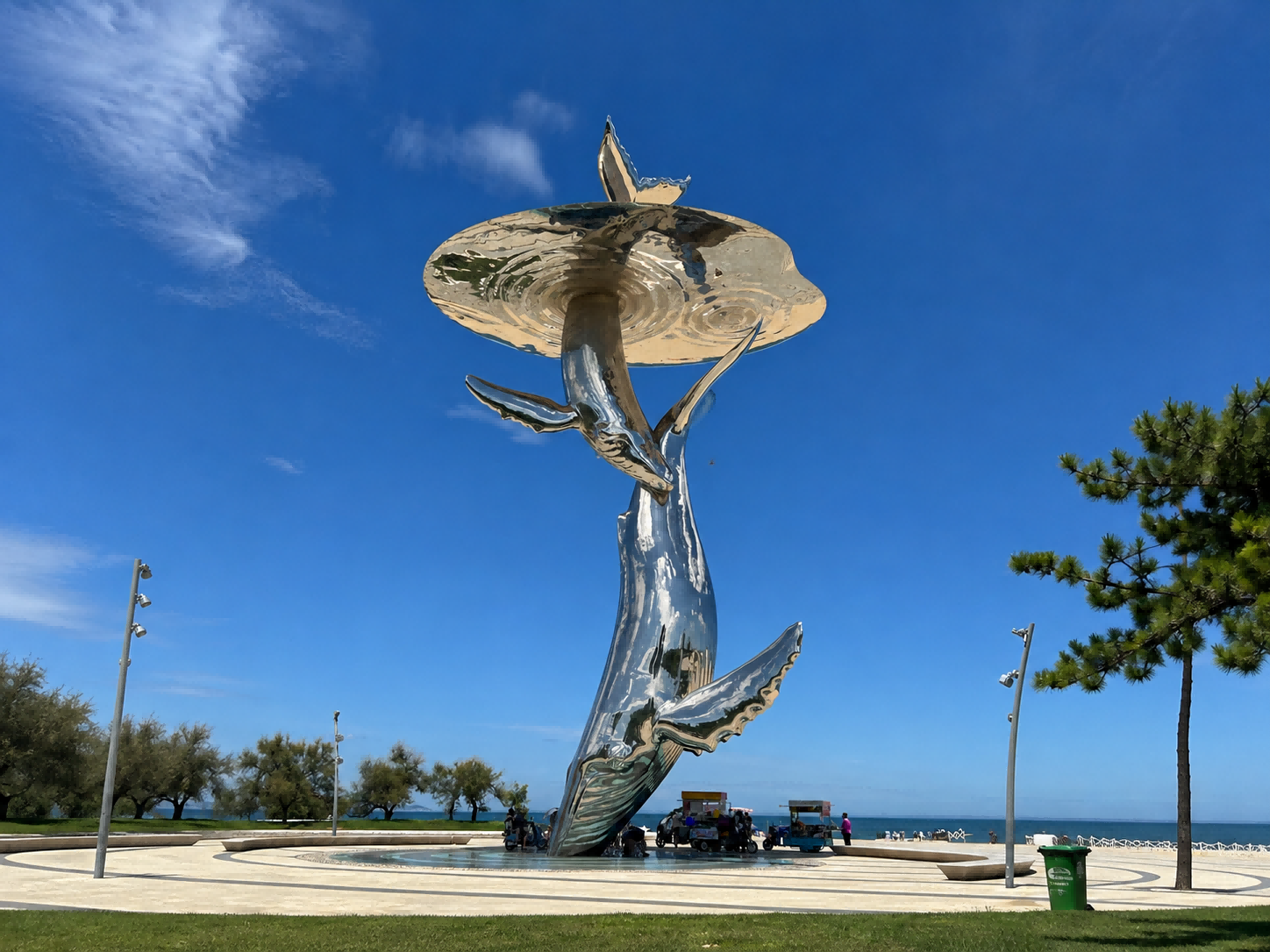
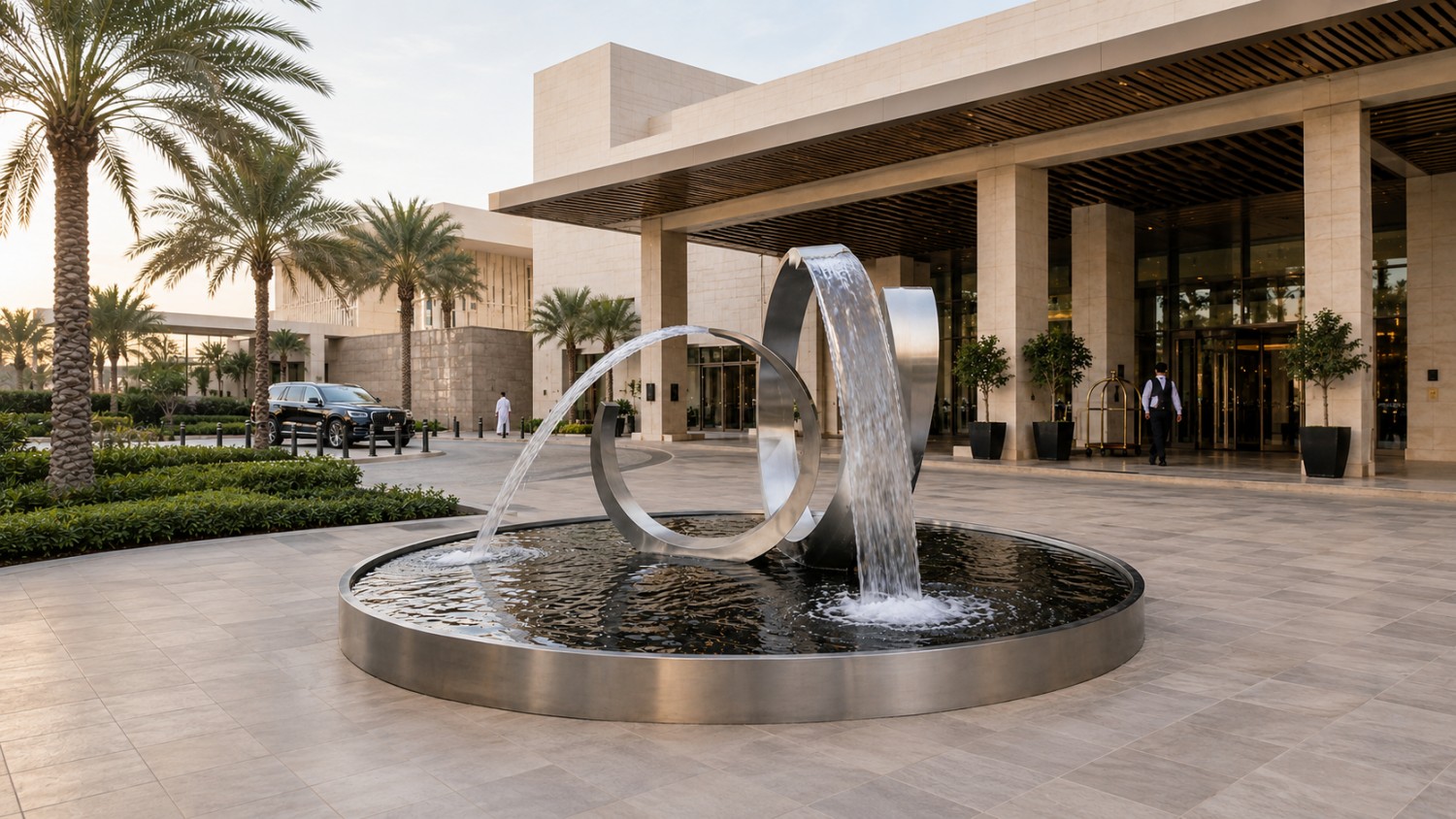
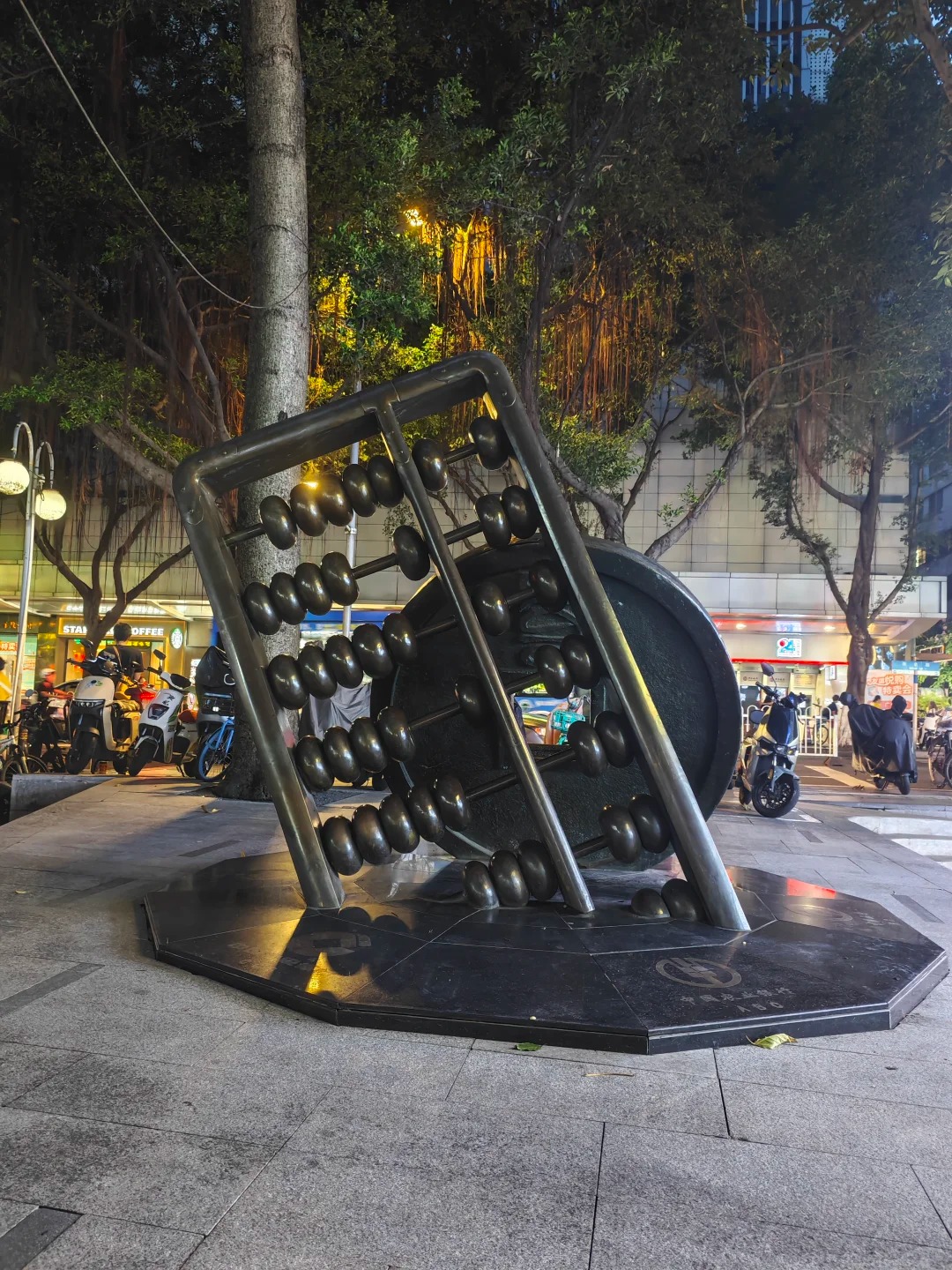
From public parks and civic plazas to museums, campuses and cultural districts, public art sculptures can become visual focal points while expressing local culture, public memory and the identity of a place.
Different public spaces, however, have different requirements.
Some projects need large sculptures that can be recognized from a distance. Others focus more on cultural expression, while some require artworks that naturally integrate with the landscape and public activities.
Choosing the right public art sculpture therefore involves more than selecting a form. The project setting, scale, material, surrounding environment and purpose of the sculpture should all be considered.
The character of the site and the role the artwork needs to play should therefore guide the selection of public sculptures.
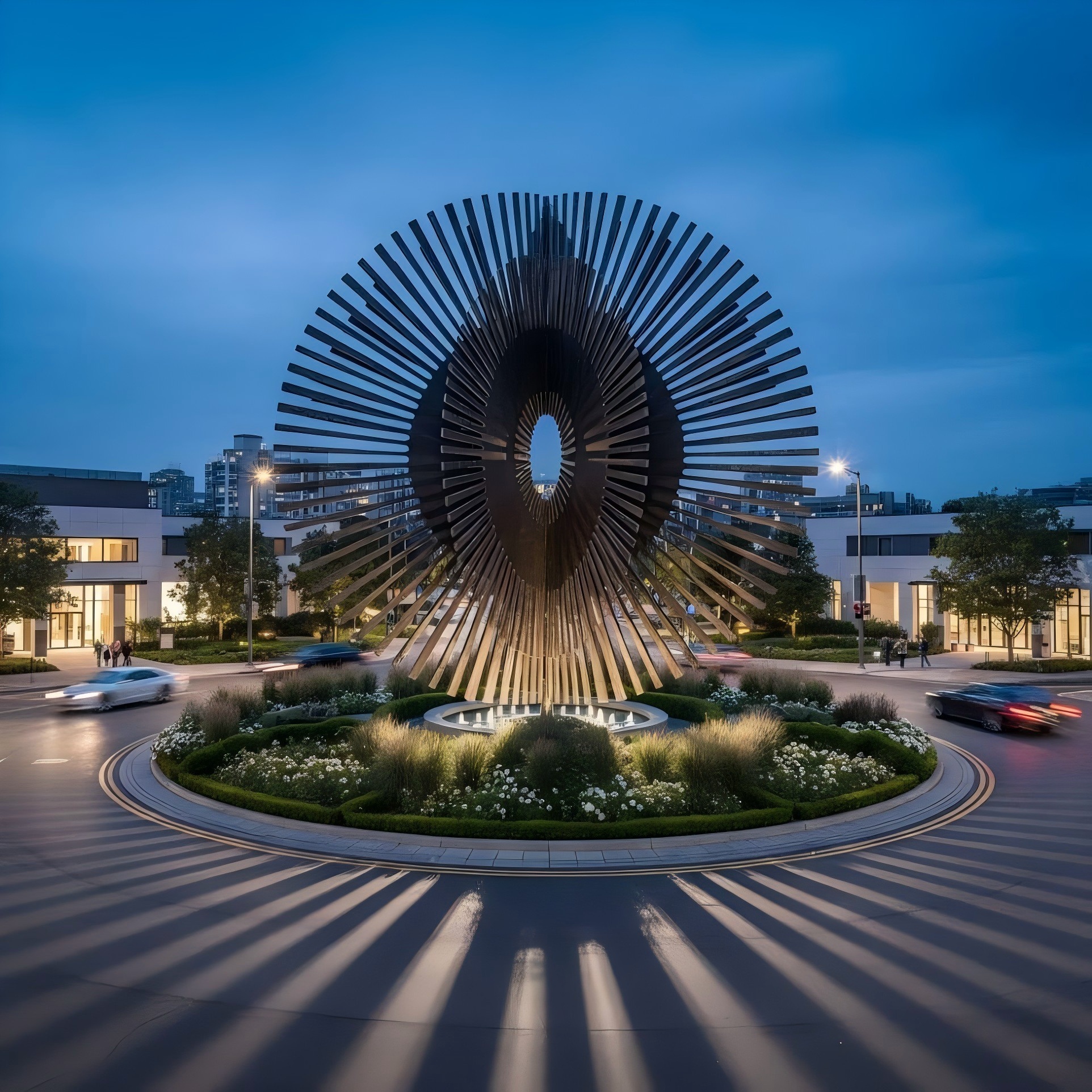
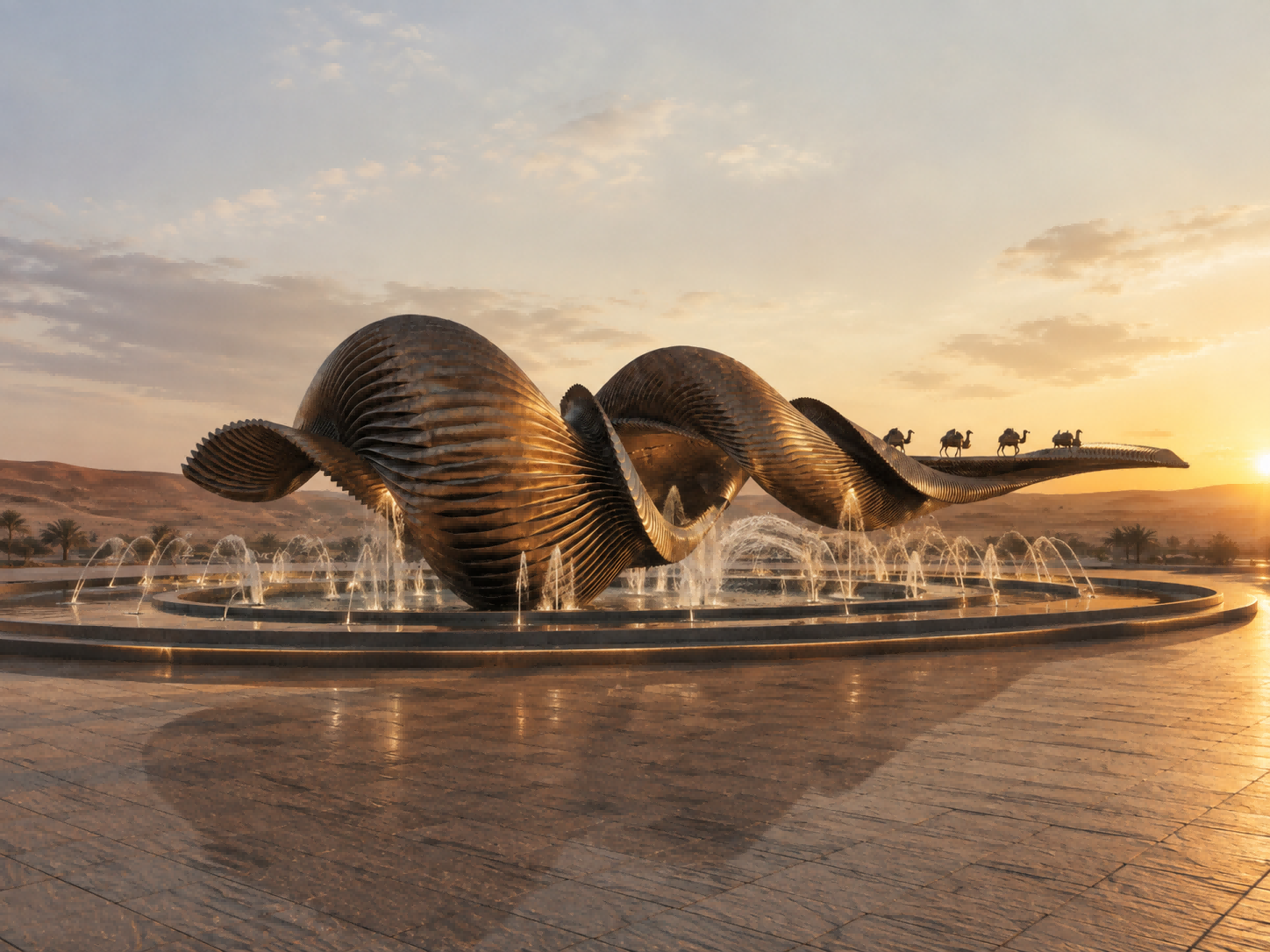
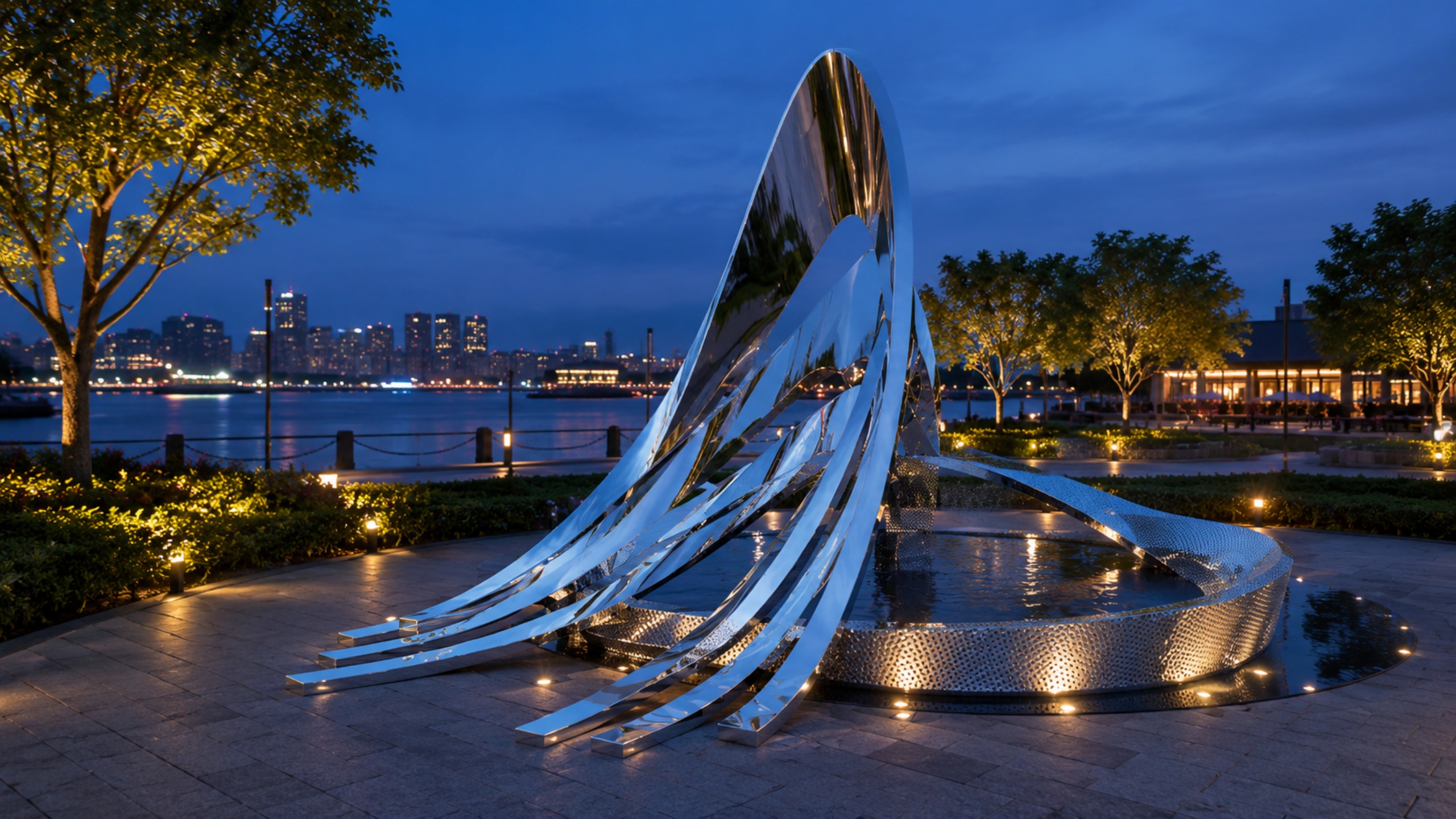
Consider:
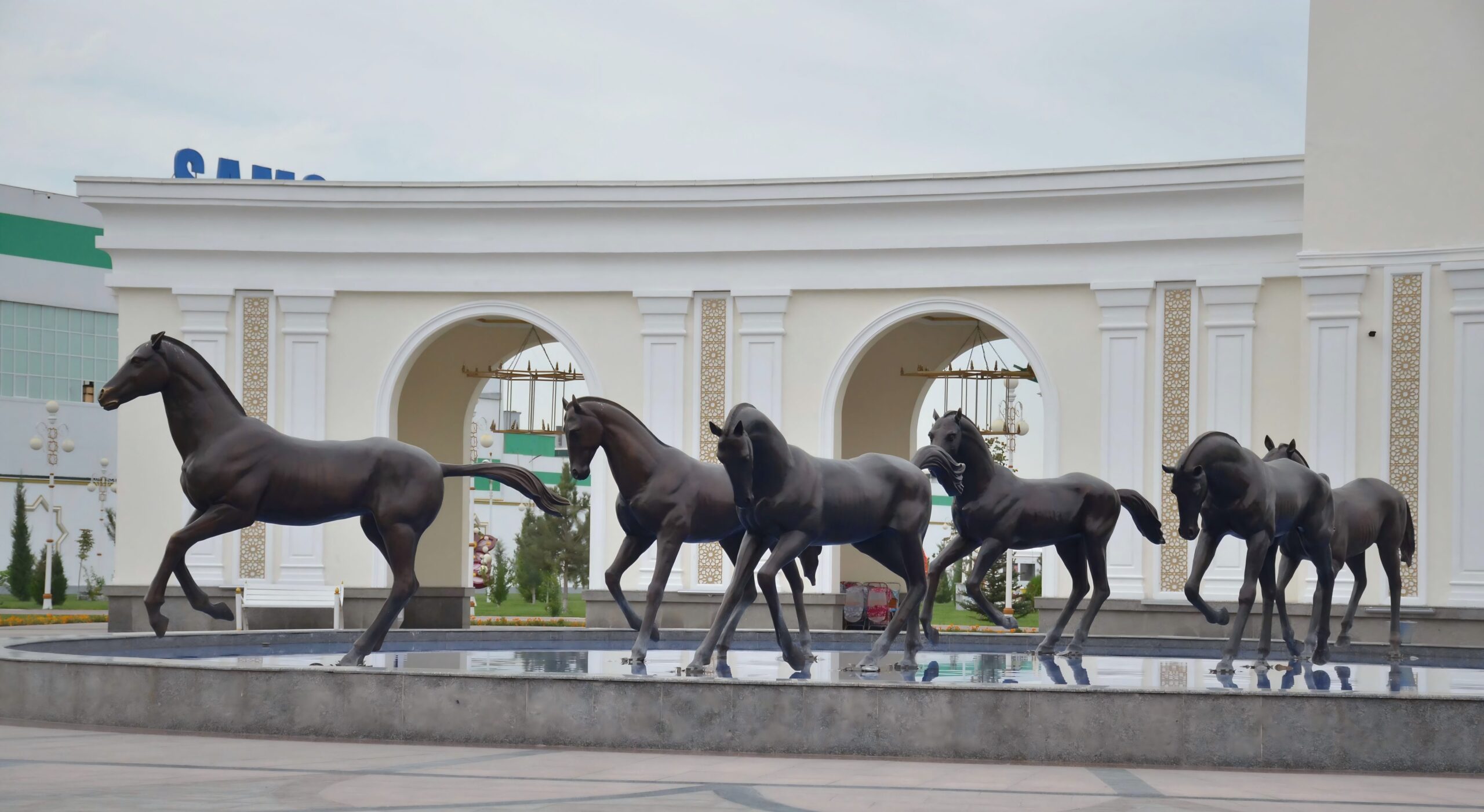
Large Abstract Sculptures · City-Themed Sculptures · Monumental Sculptures · Animal Landmarks · Large Metal Art Installations
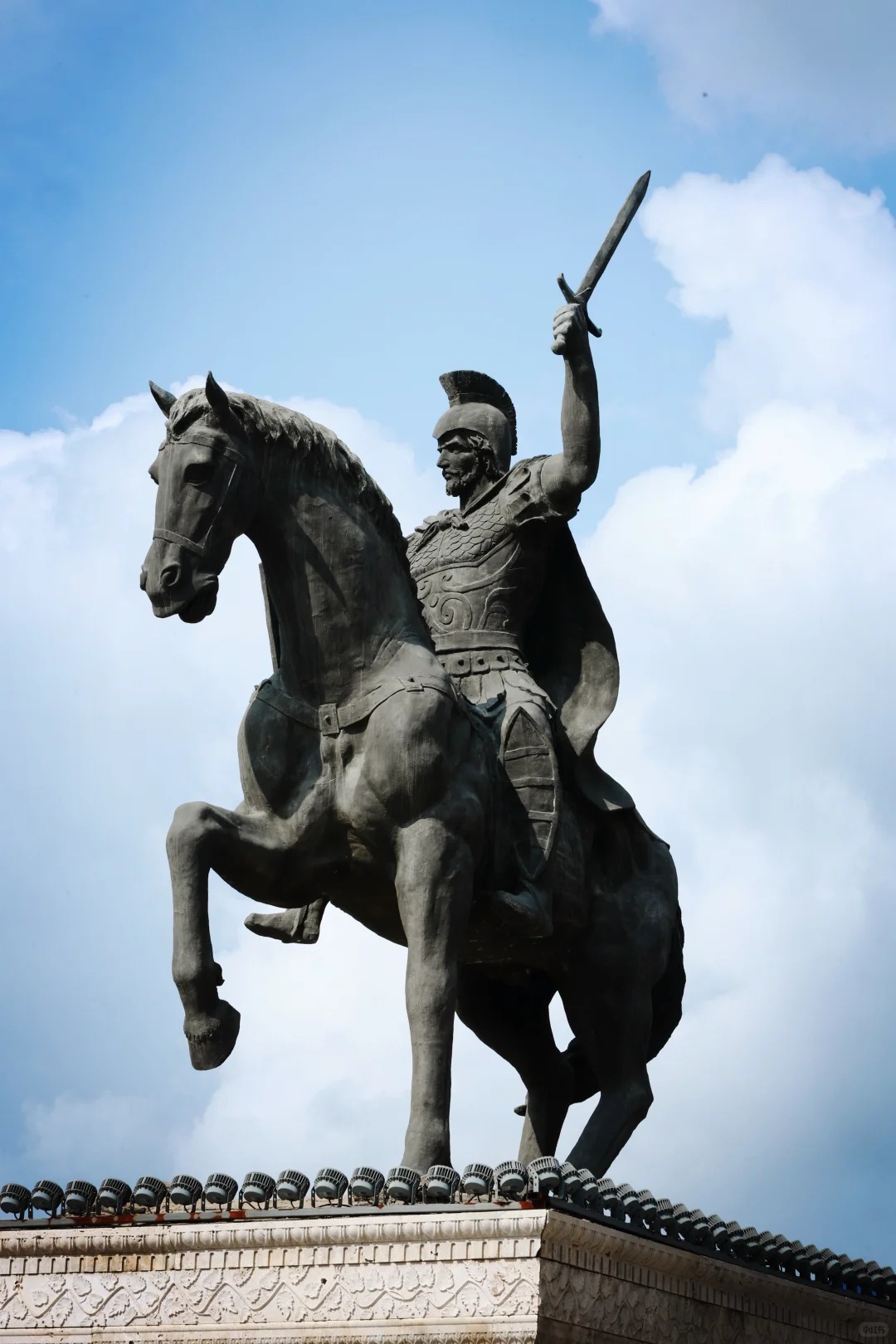
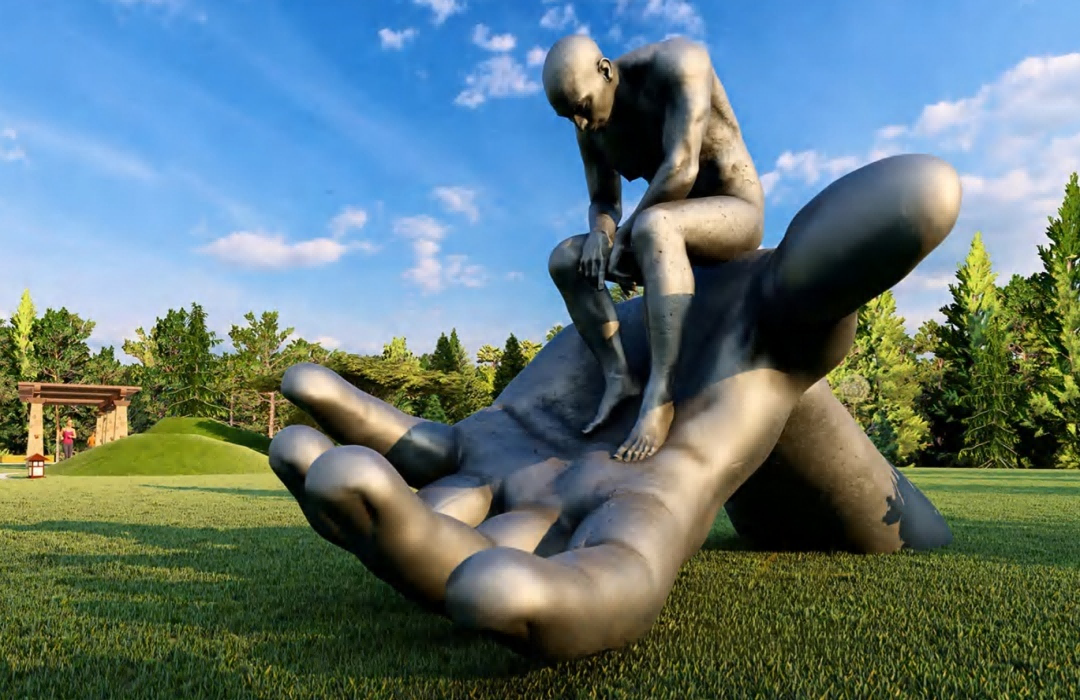
Consider:
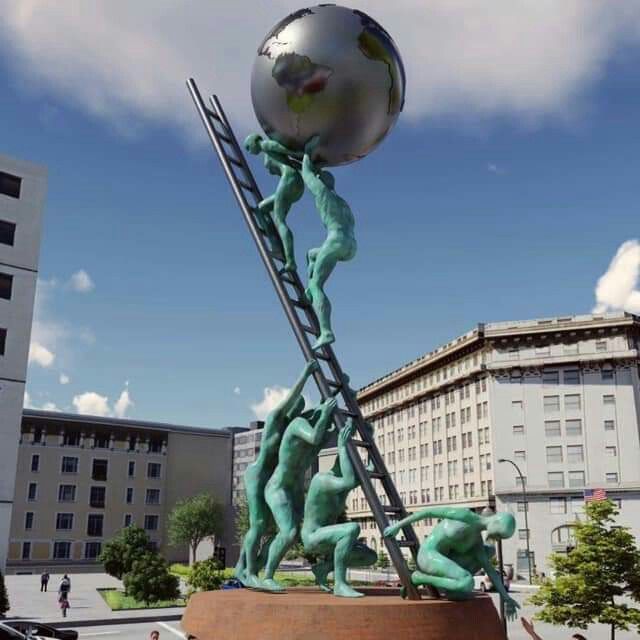
Figurative Sculptures · Memorial Sculptures · Abstract Sculptures · Nature-Inspired Sculptures · Campus Landmarks
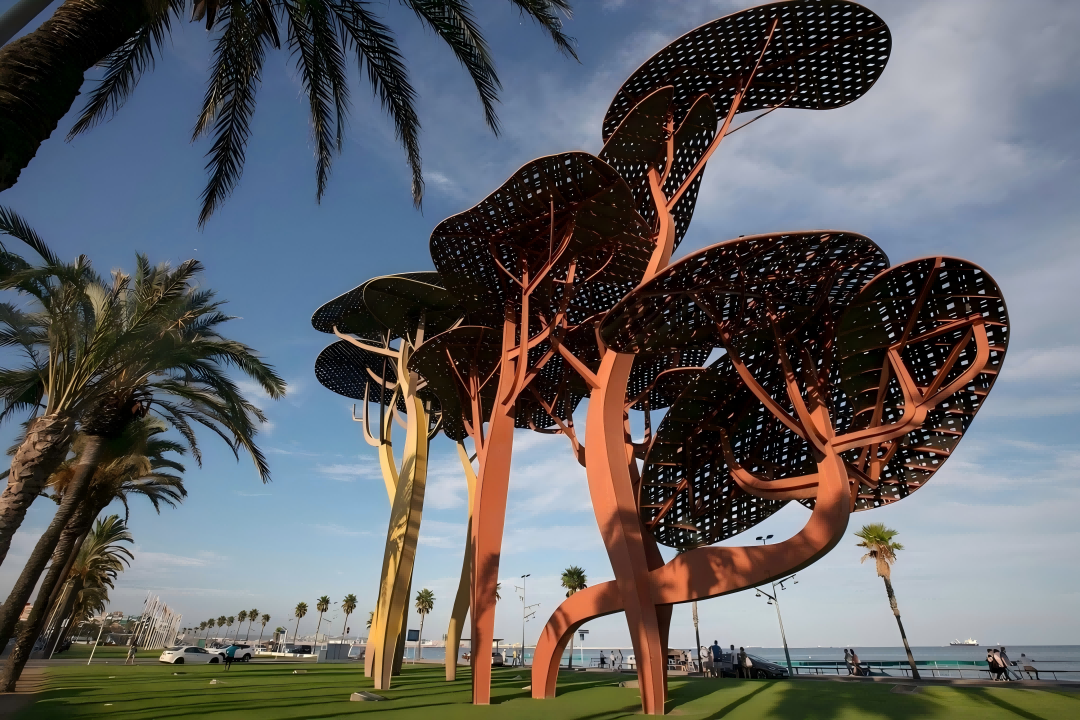
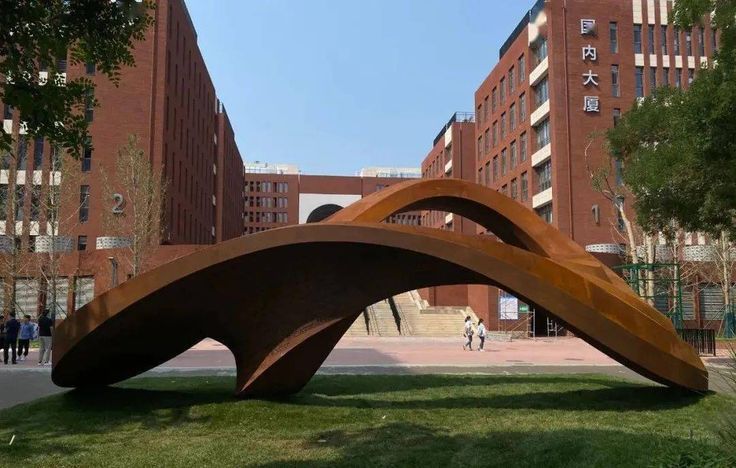
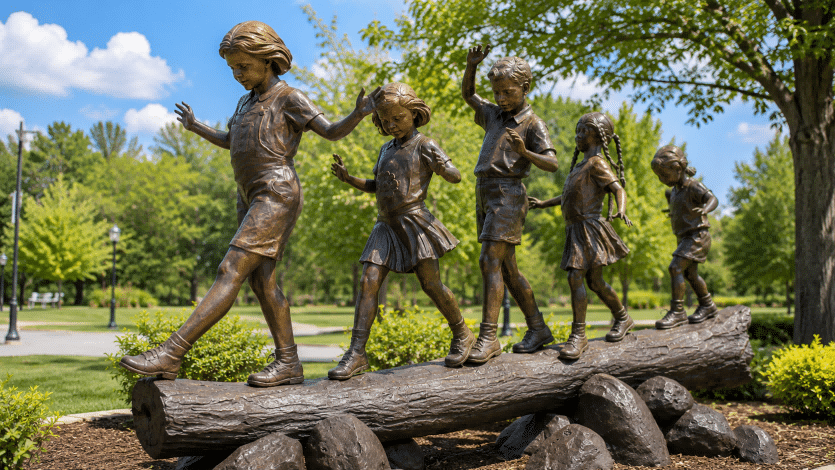
Consider:
Abstract Sculptures · Animal Sculptures · Figurative Sculptures · Nature-Inspired Sculptures · Interactive Public Art · Large Landmarks
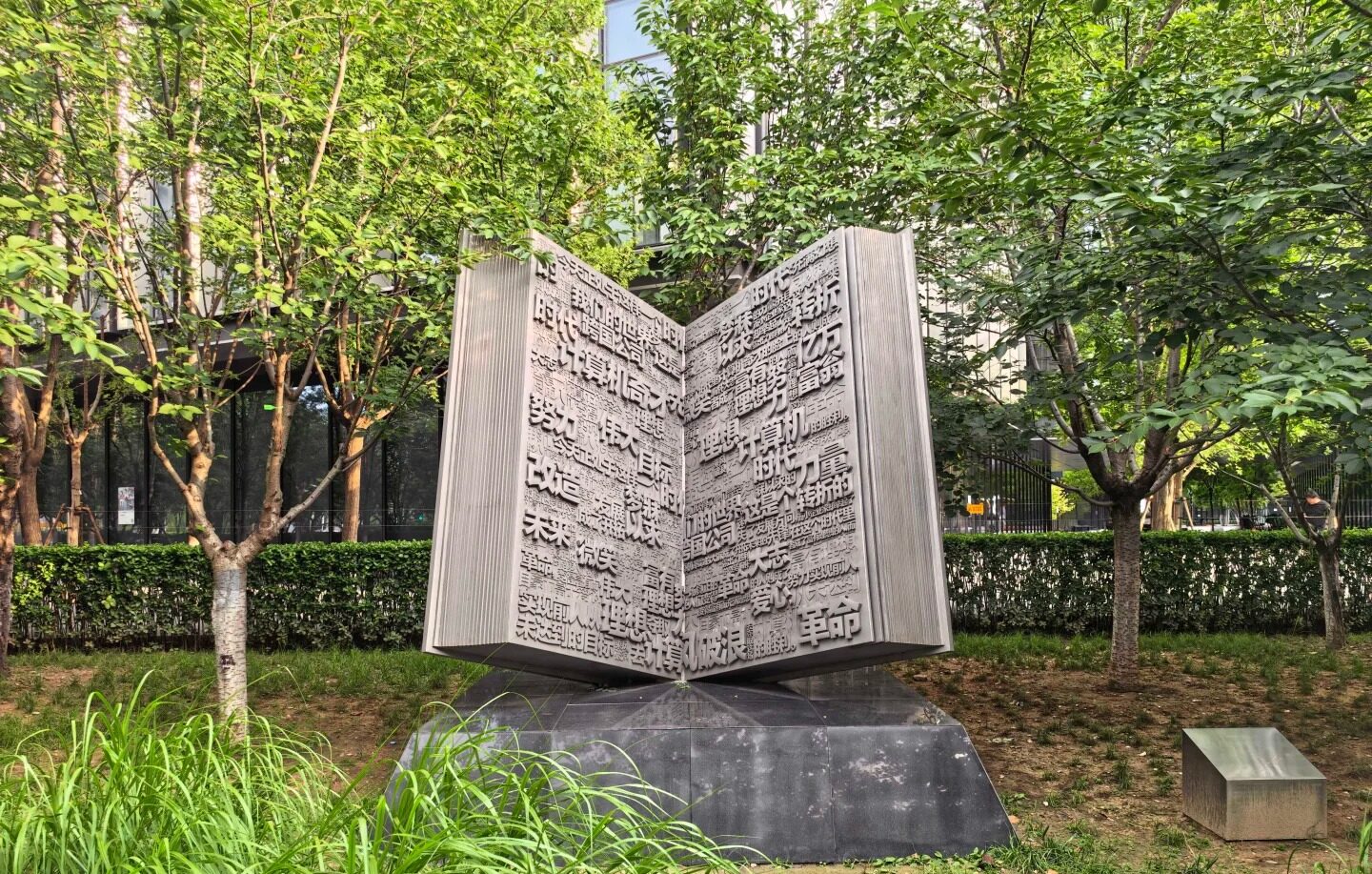
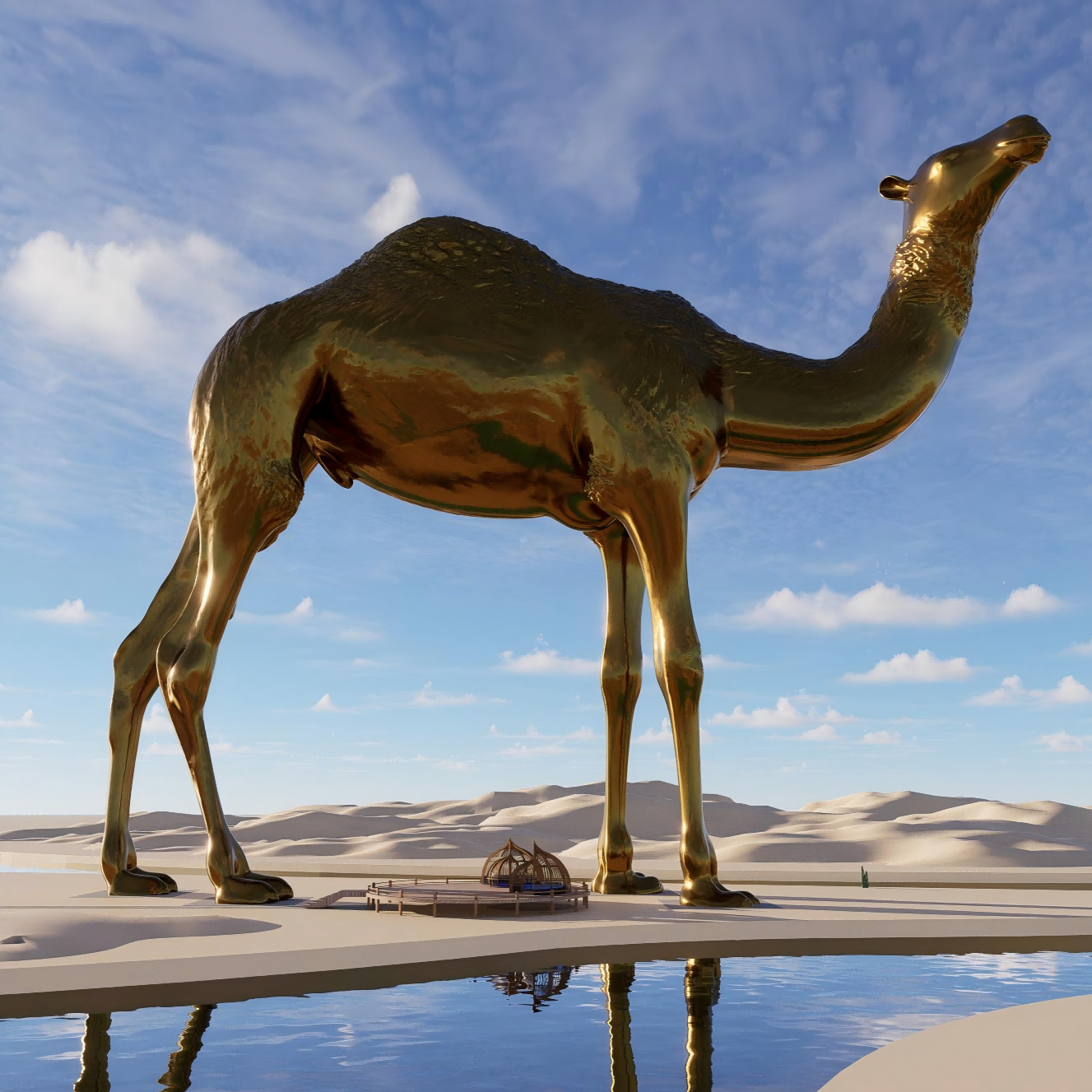
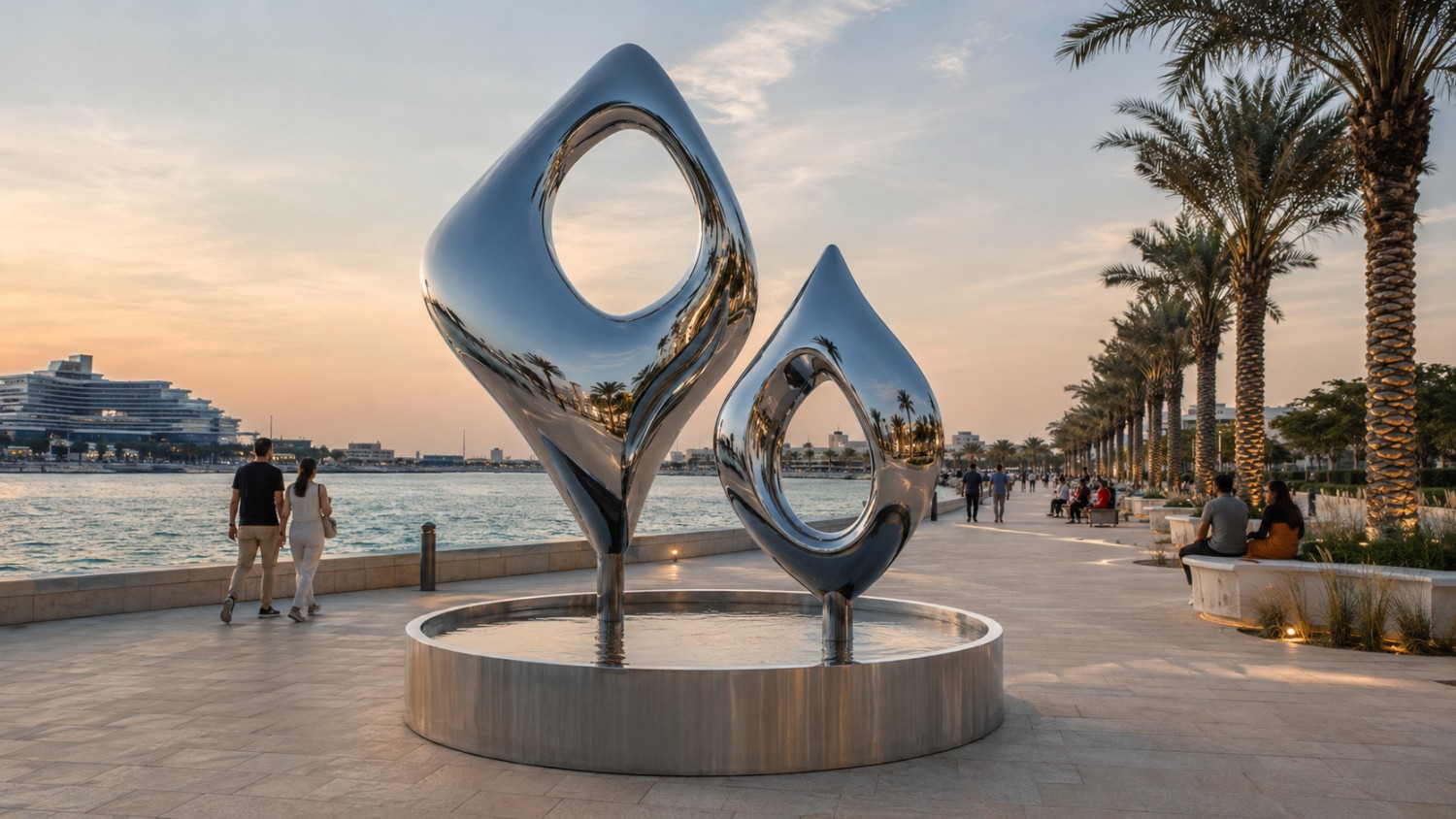
Consider:
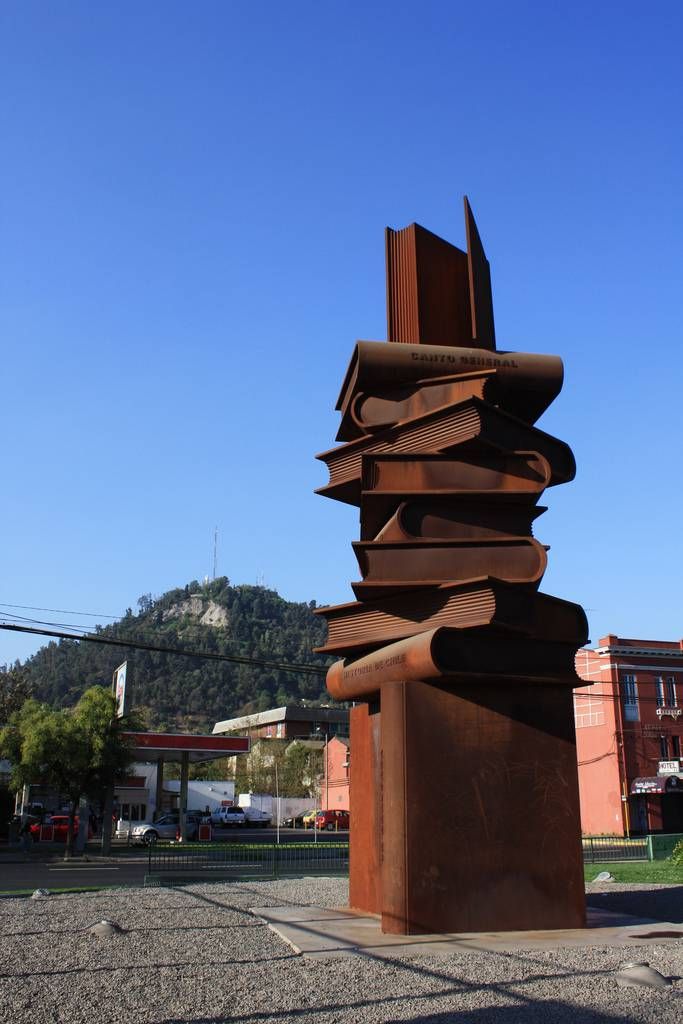
Large Landmark Sculptures · Abstract Sculptures · Figurative Groups · Monumental Sculptures · City-Themed Sculptures
Public art can take many forms. Different sculpture types, materials and scales can be selected according to the project theme, site environment and intended purpose.
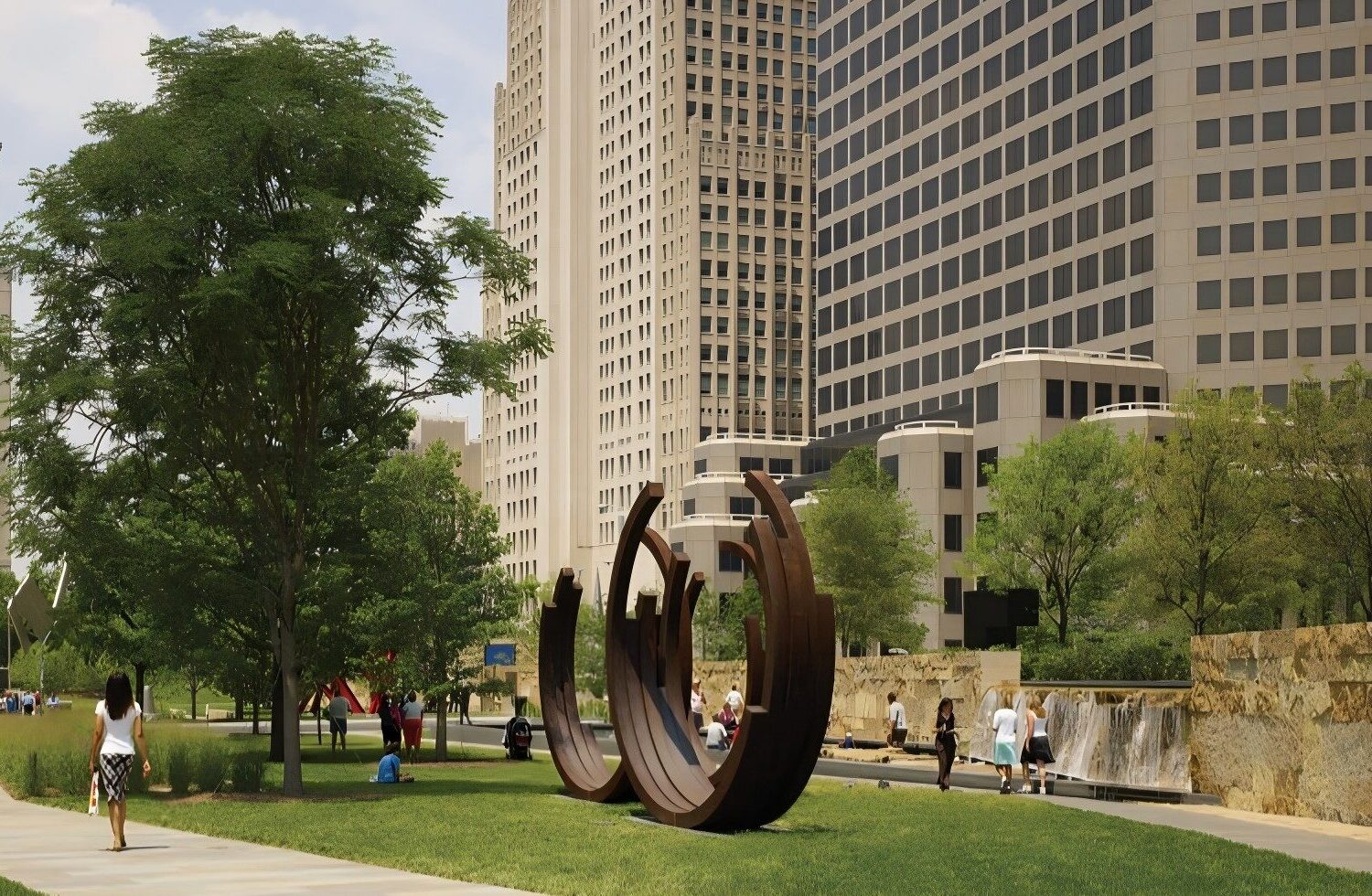
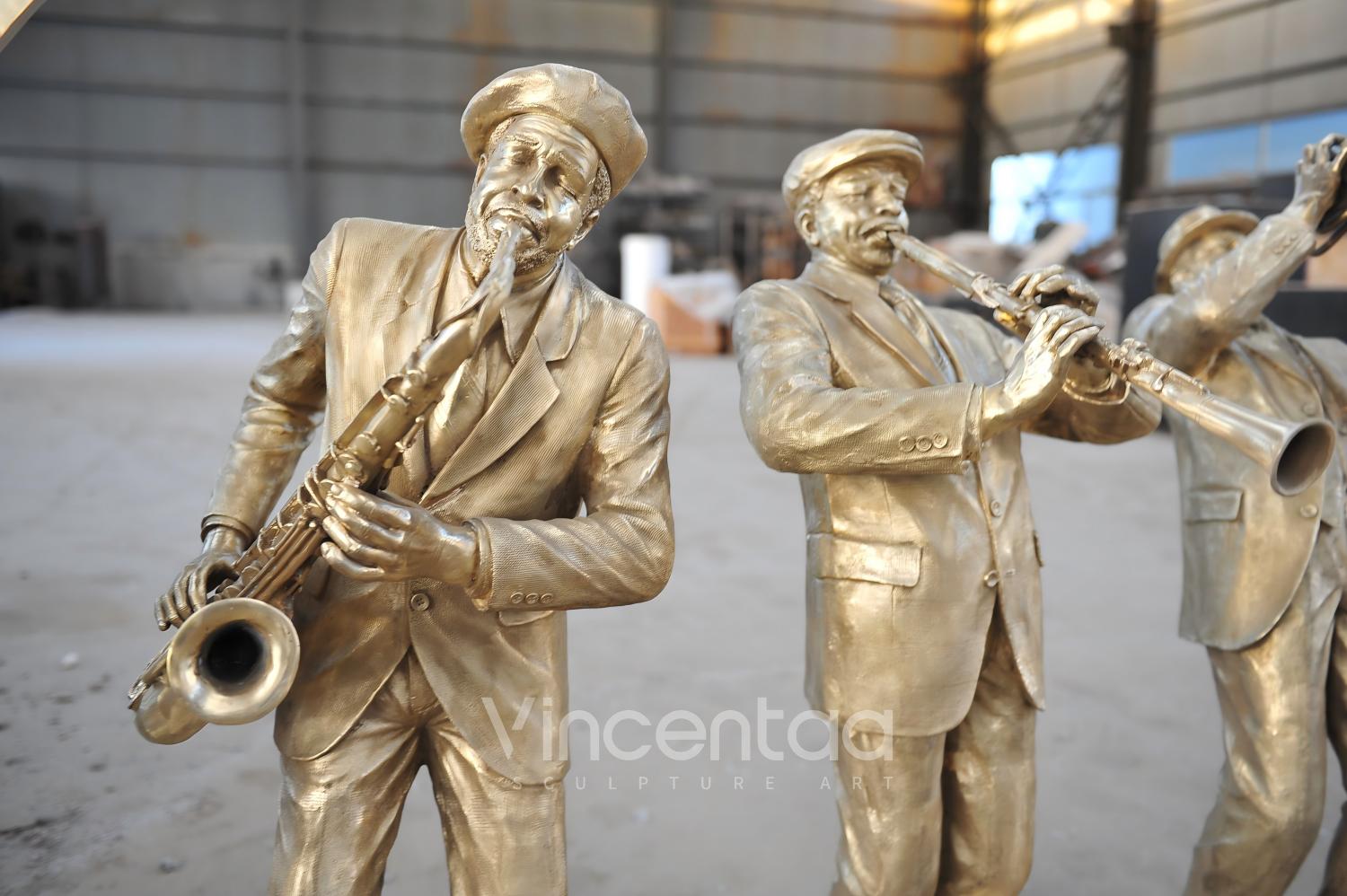
Suitable for: Public Parks · Public Plazas · Museums · Campuses · Urban Landmarks
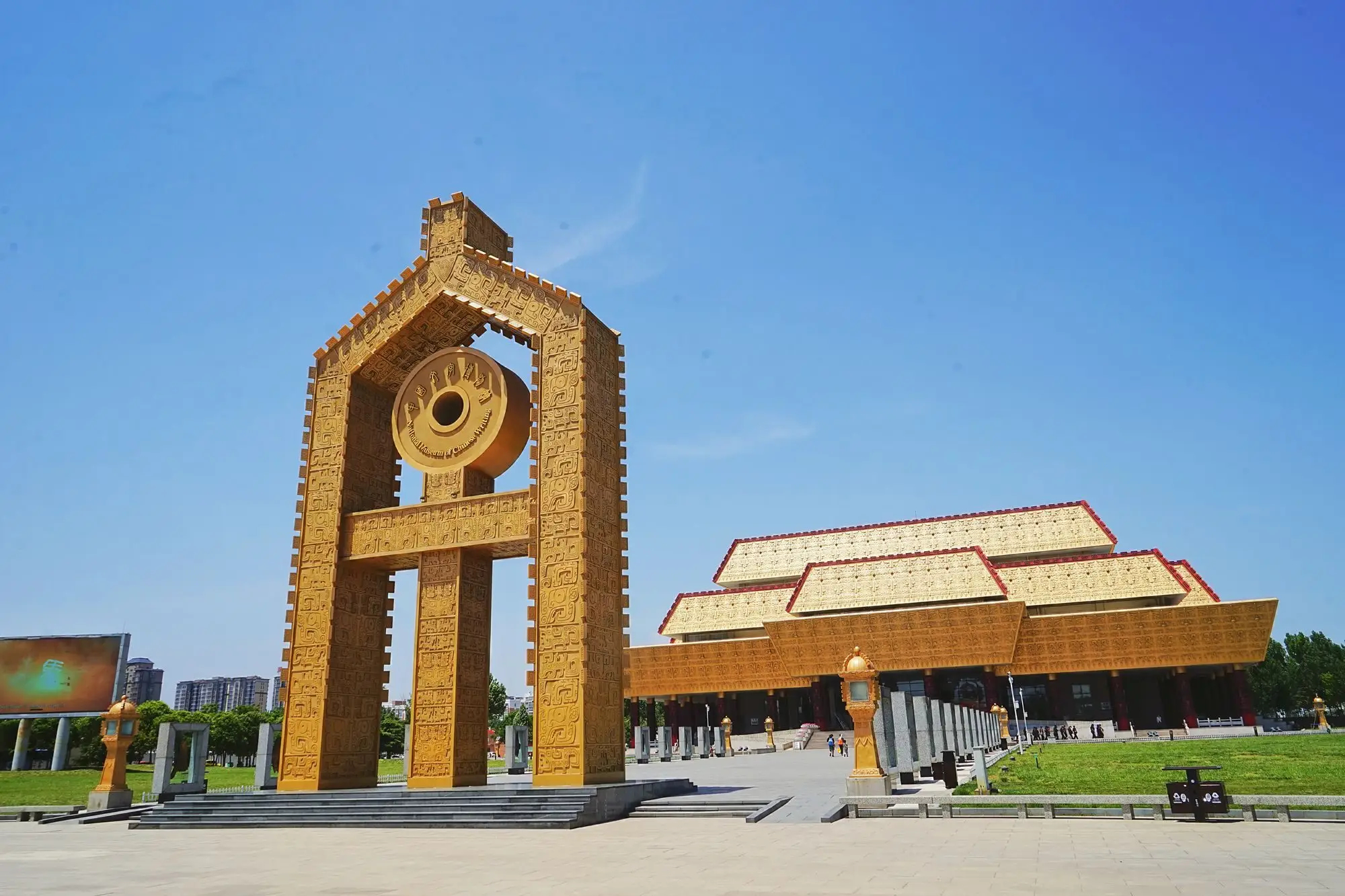
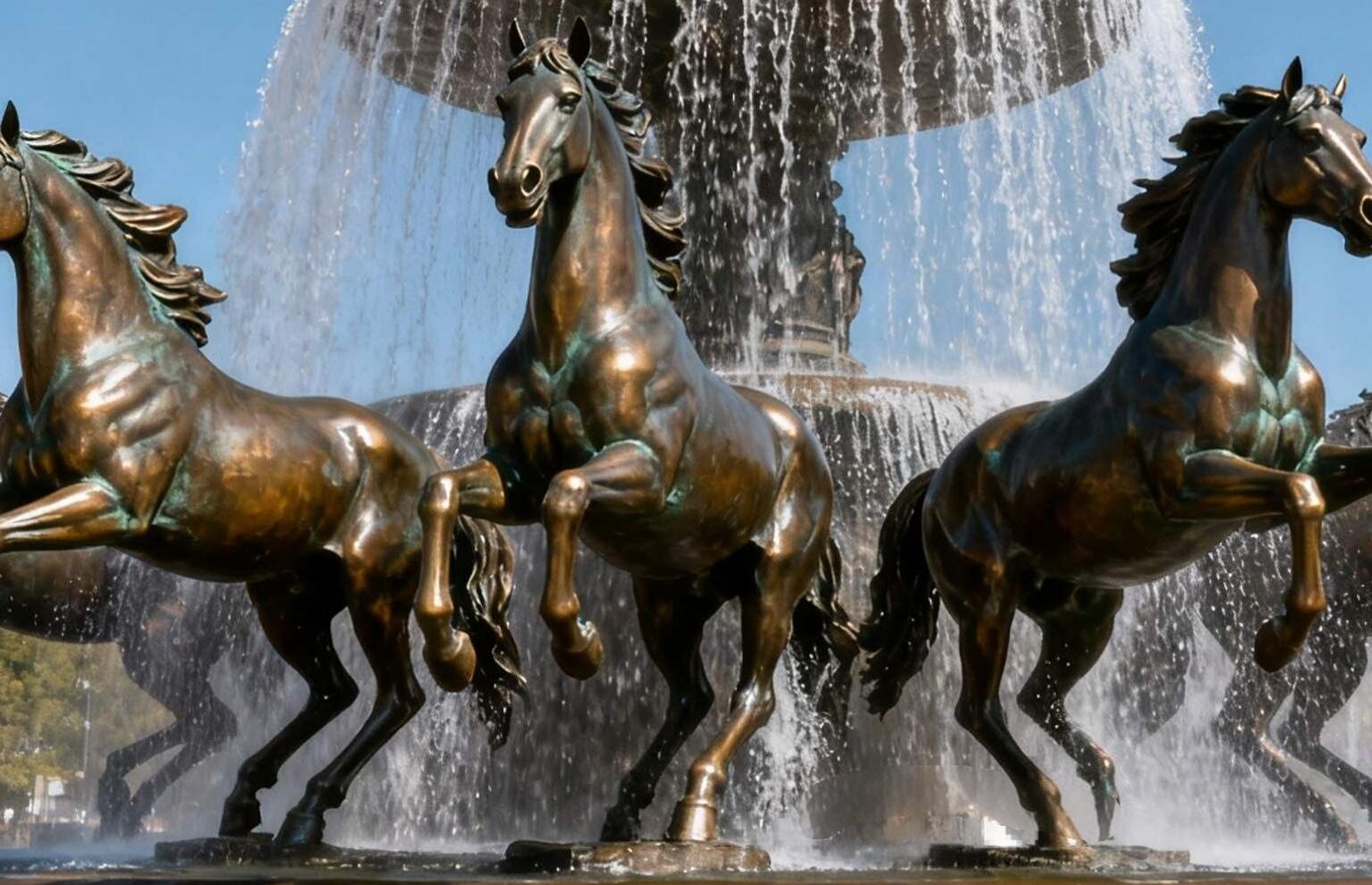
Suitable for: Cultural Districts · Memorial Spaces · Museums · Campuses · Civic Spaces
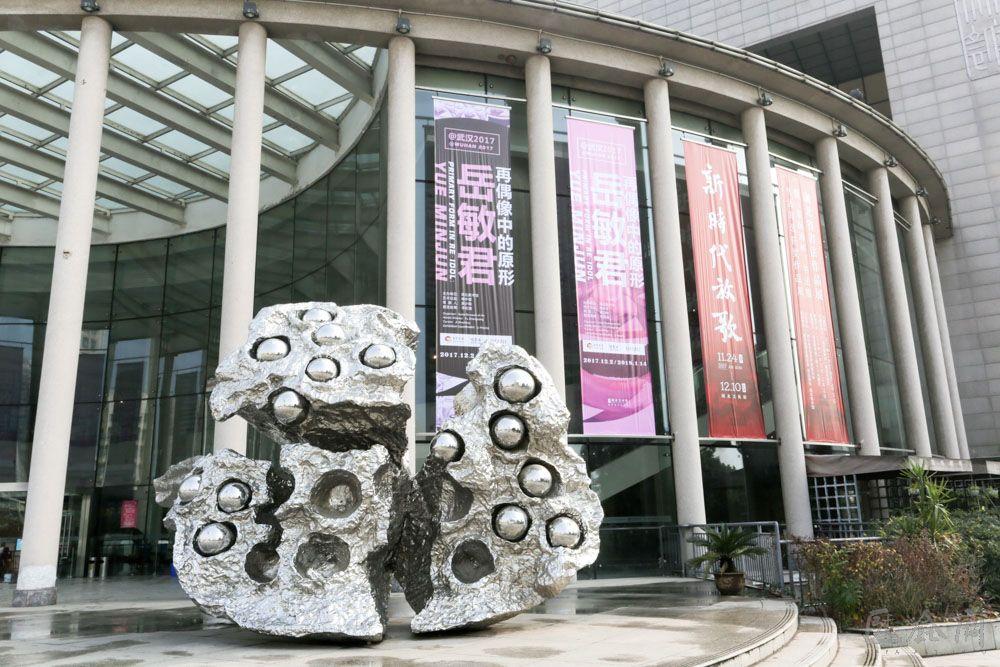
Suitable for: Public Parks · Campuses · Cultural Districts · Urban Landmarks · Public Landscapes
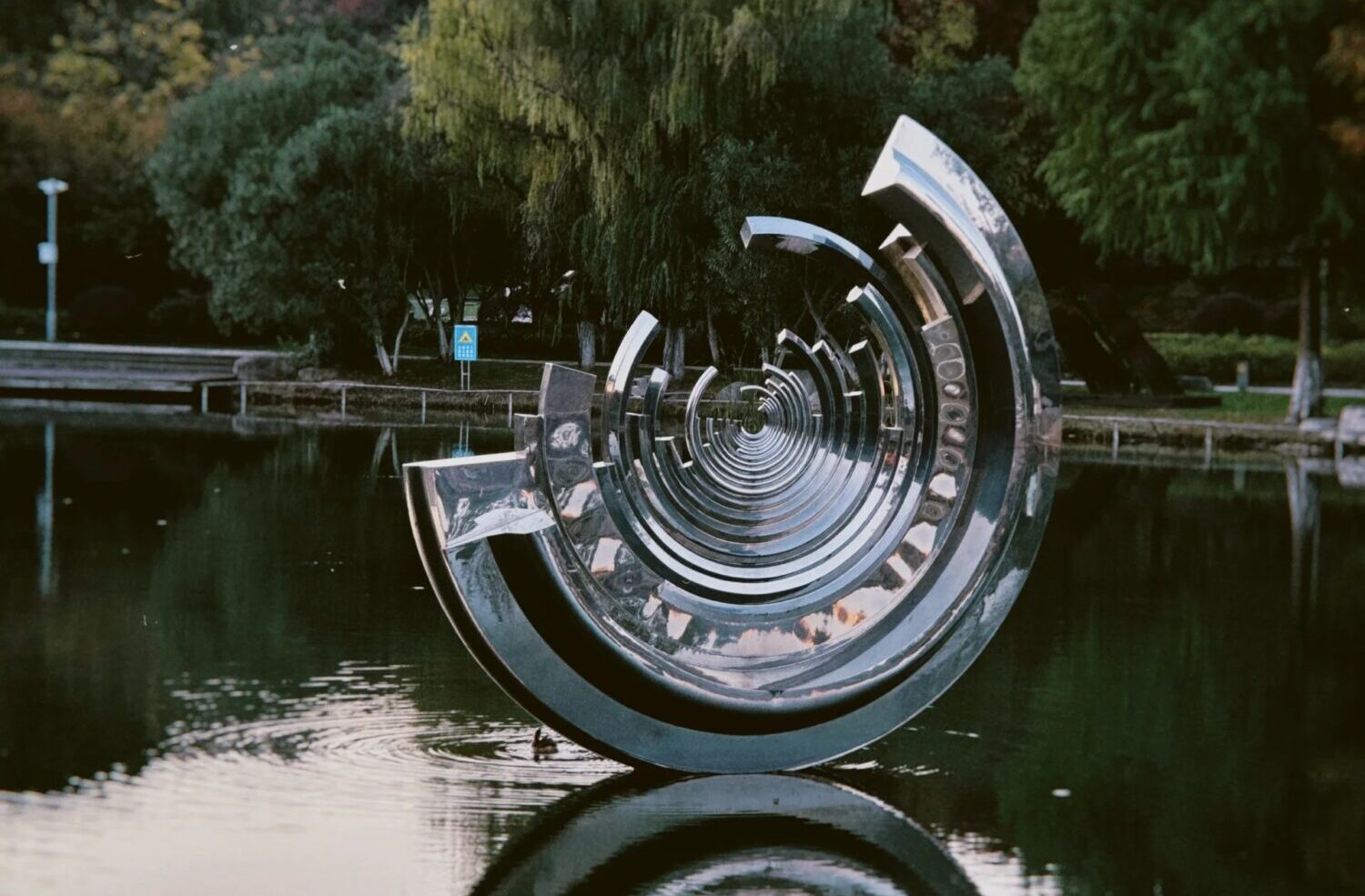
Suitable for: Public Parks · Campuses · Waterfronts · Landscape Walkways · Public Leisure Spaces
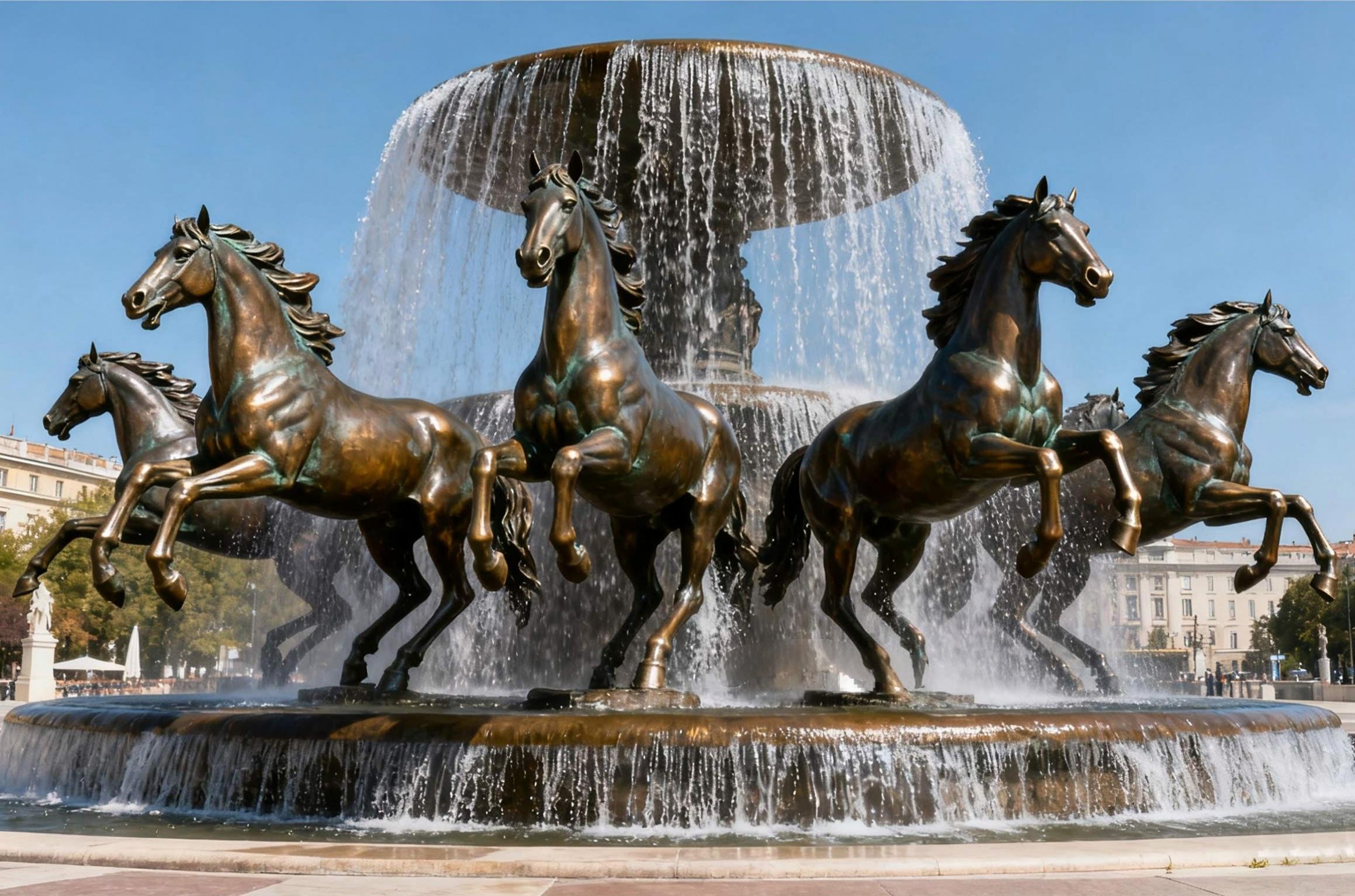
Sculptures designed to work with pools, fountains, lighting, and landscape.
A large sculpture is not simply a standard sculpture made bigger.
Large or monumental sculptures are particularly suitable when a project has a broad open space, long viewing distances, or needs to establish a recognizable landmark, commemorative theme or strong spatial identity.
Typical locations include:
In these environments, the sculpture needs enough visual presence to remain recognizable from a distance.
The final size should be determined according to the site scale, surrounding architecture, viewing distance and project theme, rather than simply making the sculpture as large as possible.
Is it intended to create an urban landmark, express cultural or commemorative meaning, become a landscape focal point, or encourage public interaction?
The purpose of the project directly influences the form, size and material of the sculpture.
Large parks, urban landmarks and open plazas usually require consideration of long-distance visibility, while cultural districts, campuses and pedestrian spaces place greater emphasis on close-up experience.
The sculpture should be considered together with surrounding architecture, planting, water features, paving and the overall landscape design.
Stainless steel works well for contemporary abstract sculptures, large outdoor sculptures and landmark projects.
Bronze is suitable for figurative, animal, memorial and cultural sculptures.
Corten steel works well for contemporary public art and natural landscape settings.
Fiberglass is suitable for complex forms and designs requiring a wider range of colors.
Long-term outdoor installations need to withstand sunlight, rain, humidity, high temperatures and, in coastal areas, salt exposure.
Appropriate materials, internal structures and surface treatments can reduce maintenance requirements and extend the service life of an outdoor sculpture.
For large and monumental public art projects, the artistic form is only one part of the overall solution.
During design development, several engineering factors should also be considered:
Internal Structure · Wind Load · Foundation Connections · Sectional Fabrication · International Shipping · On-Site Lifting & Installation
For example, whether a large sculpture can be transported as one piece, how it should be divided into sections, whether lifting equipment can access the site, and how the internal structure connects to the foundation can all influence the final fabrication plan.
For this reason, large public art projects should consider artistic design, fabrication feasibility and site installation conditions from the early design stage.
Whether you already have a complete sculpture design or are still developing an initial concept, the design can be further developed according to the site environment, project scale and technical requirements.
Concept Development · 3D Visualization · Structural Engineering · Custom Fabrication · International Shipping · Installation Support
If you already have landscape drawings, architectural renderings, sculpture designs or reference images, send them to us.
We can discuss suitable sculpture solutions based on your project setting, spatial scale, artistic direction and site conditions.