Roundabout and city gateway sculptures are often viewed from a distance and for only a short period of time.
Unlike sculptures in parks or commercial plazas, many viewers experience these works while driving. This means that clear form, appropriate scale and visibility from different directions are often more important than small decorative details.
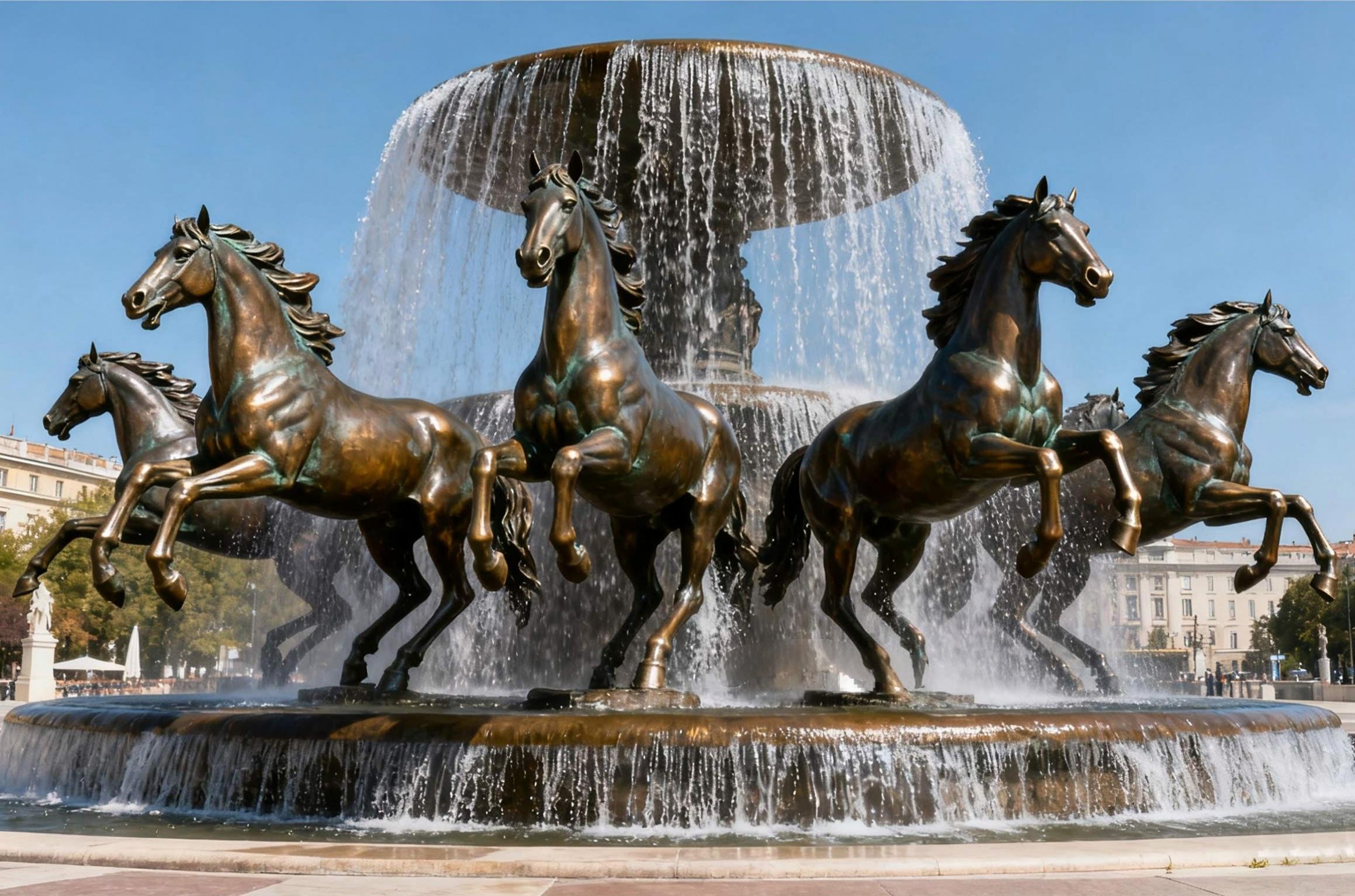
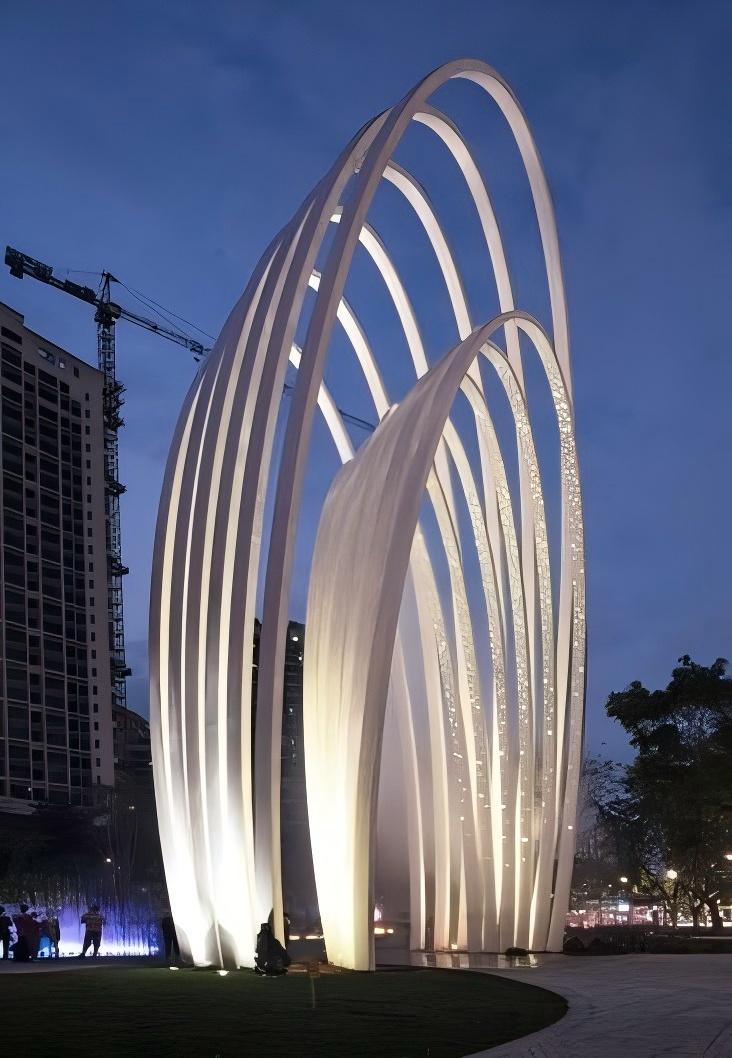
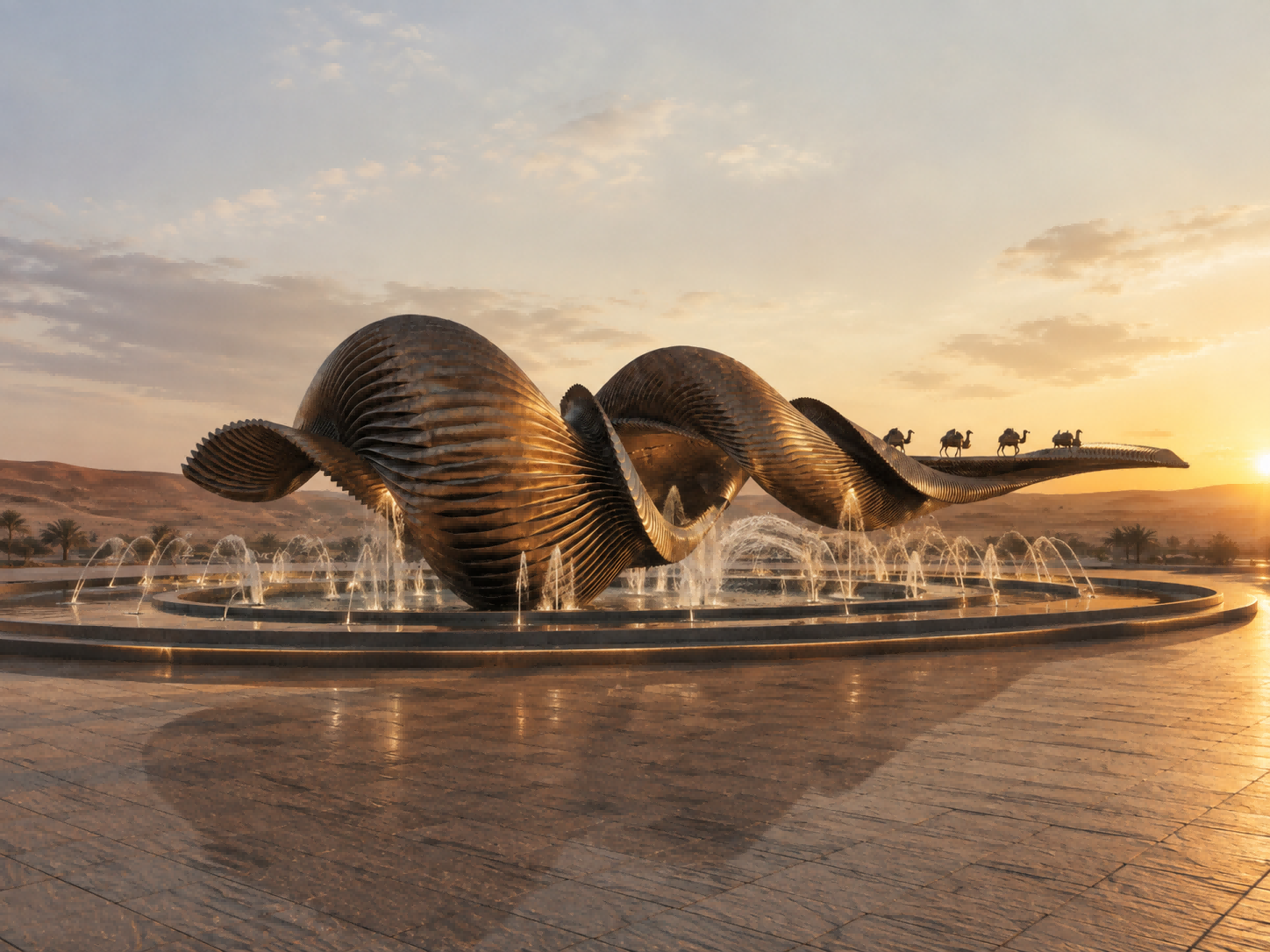
From large abstract landmarks and animal sculptures to cultural themes, nature-inspired designs and water features, different projects can choose different directions based on the city identity, road environment and overall project concept.
The character of the site and the role the artwork needs to play should therefore guide the selection of public sculptures.
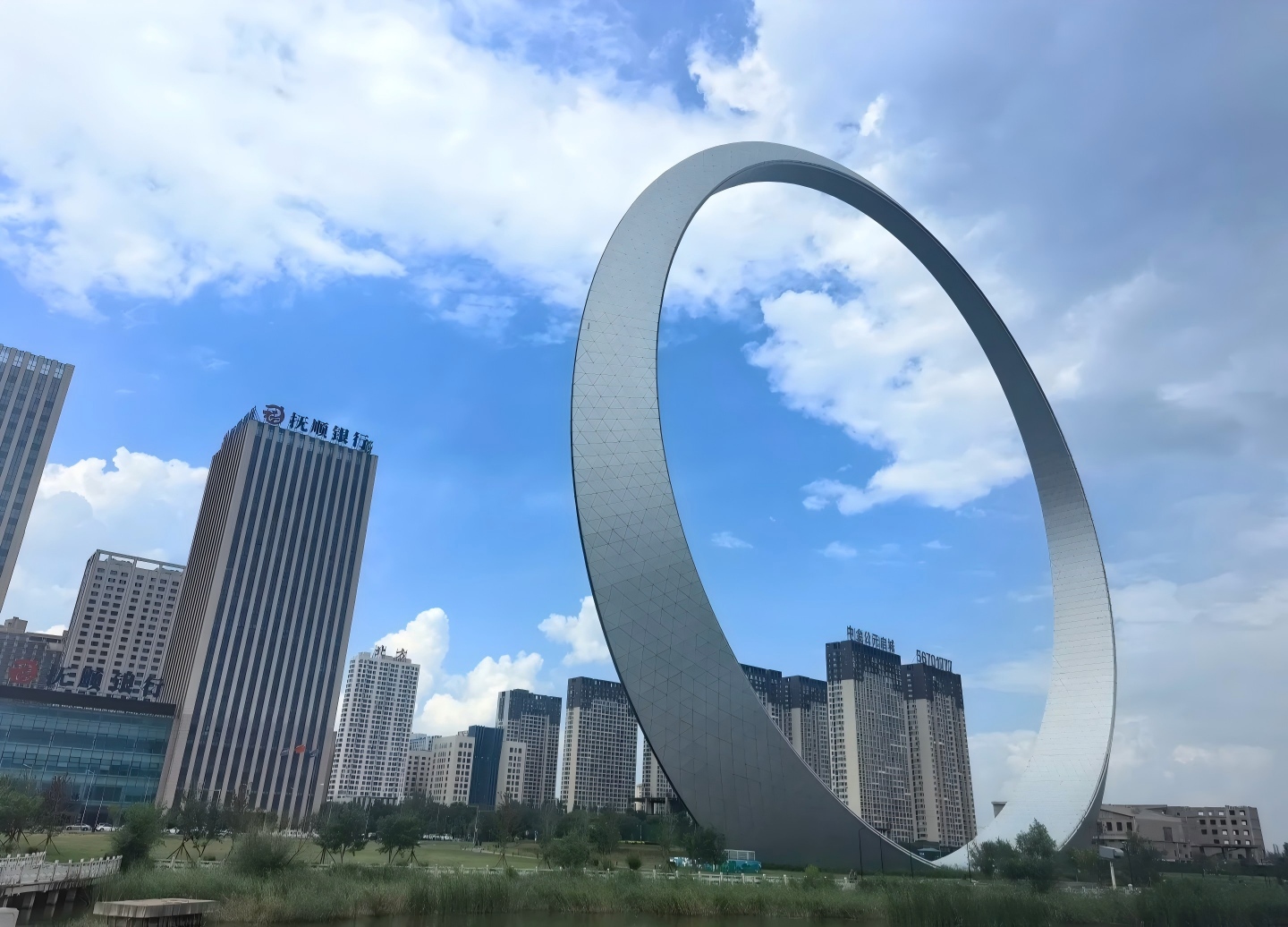
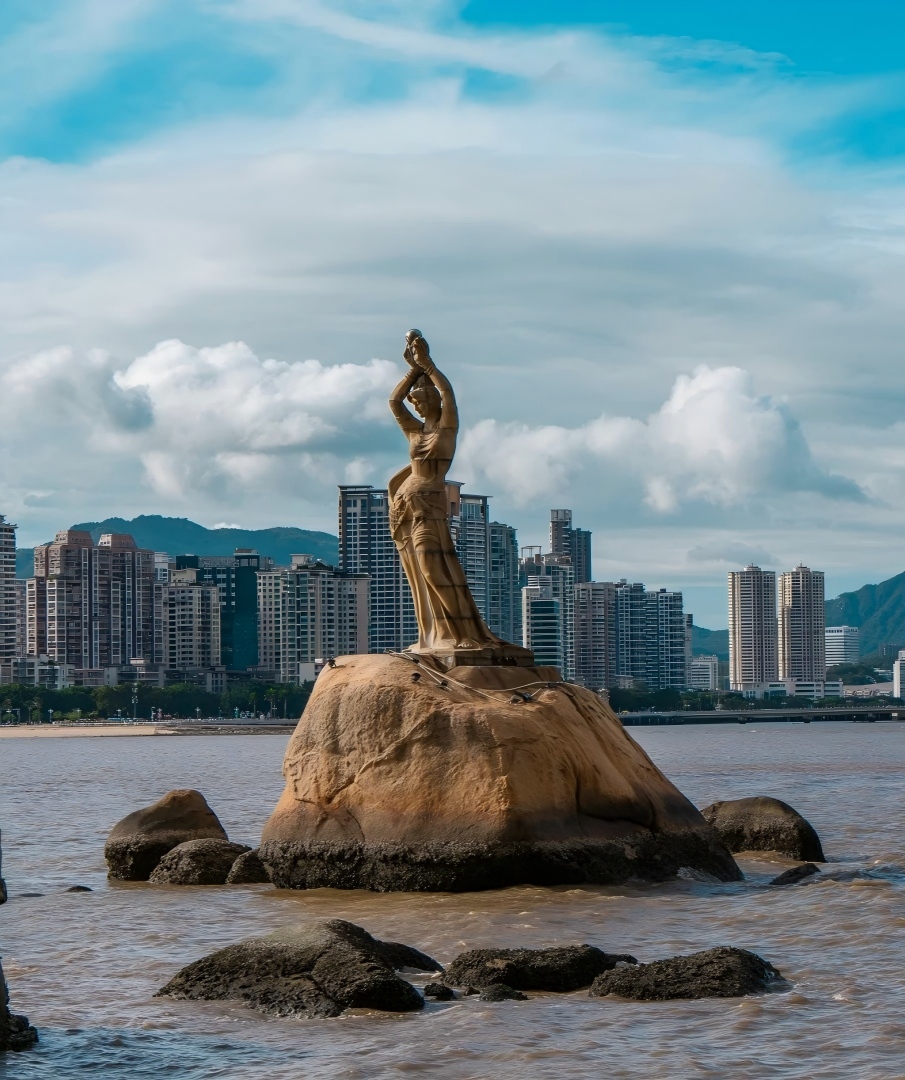
Suitable for:
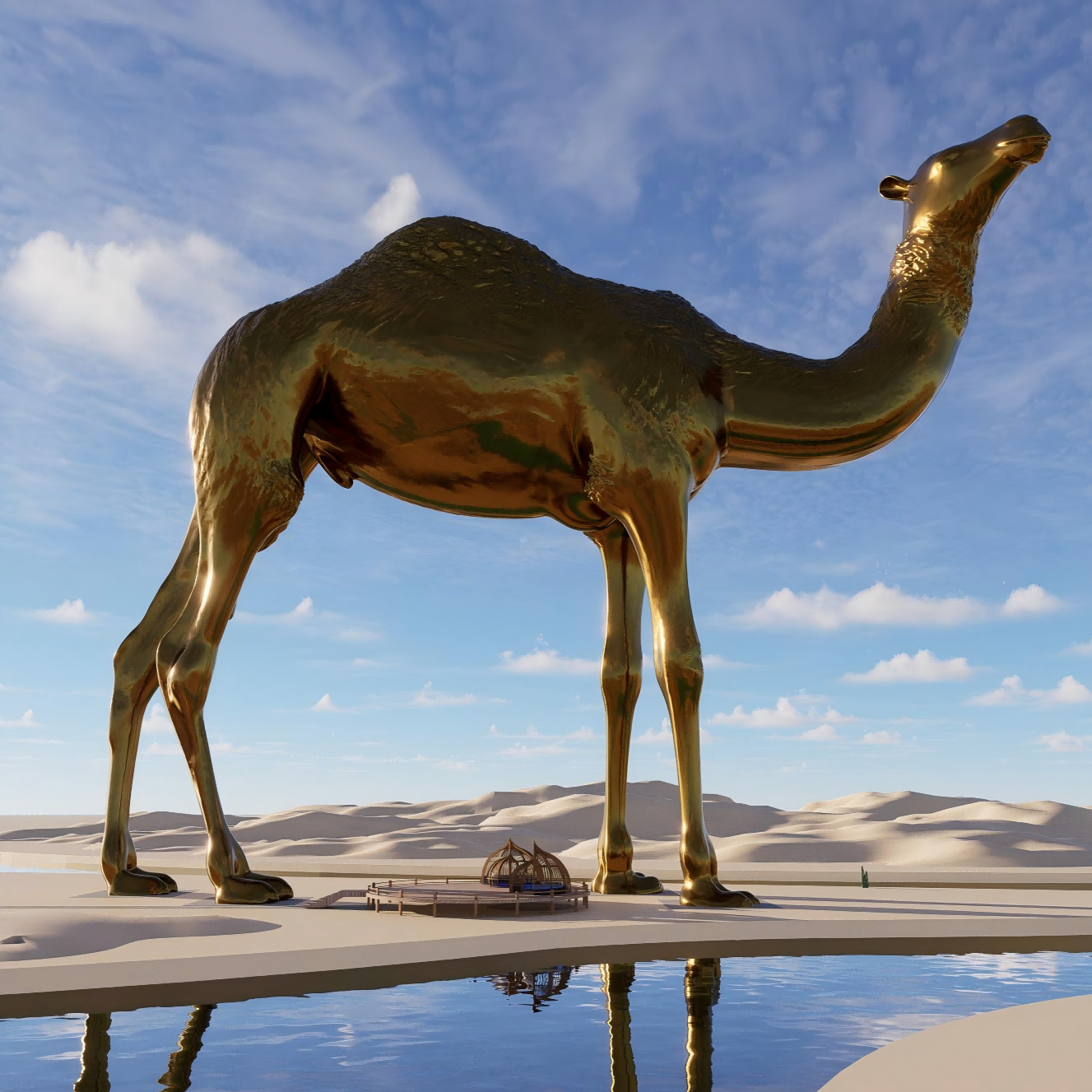
City Entrances · Themed Roundabouts · Tourism Cities · Regional Cultural Projects
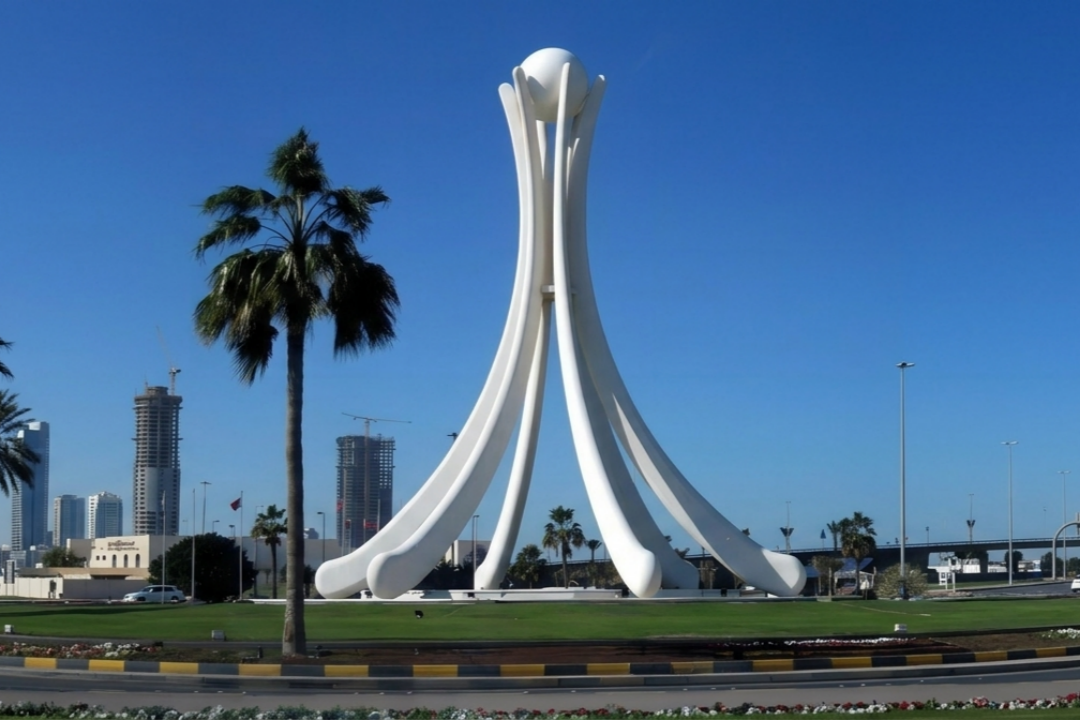
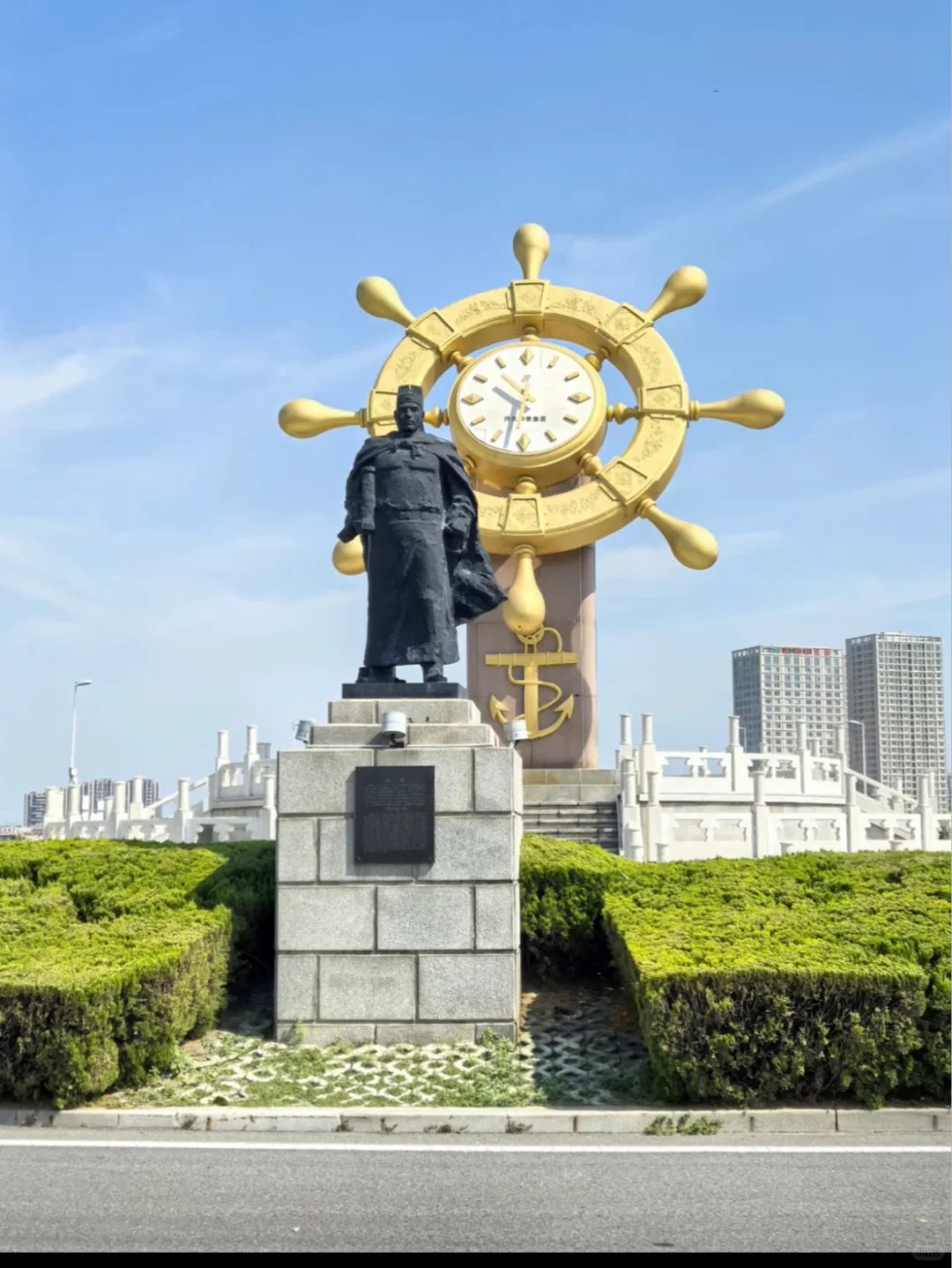
Suitable for:
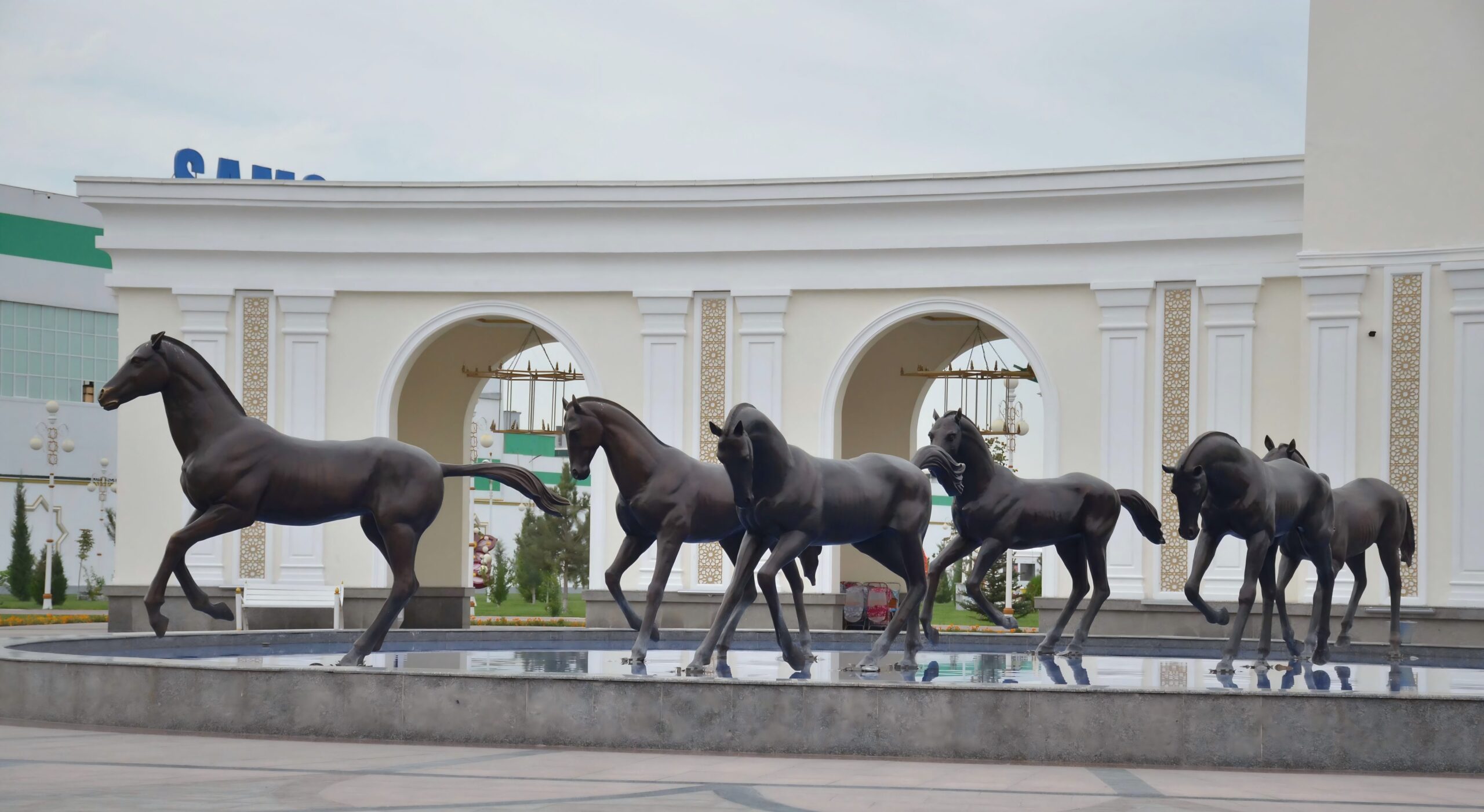
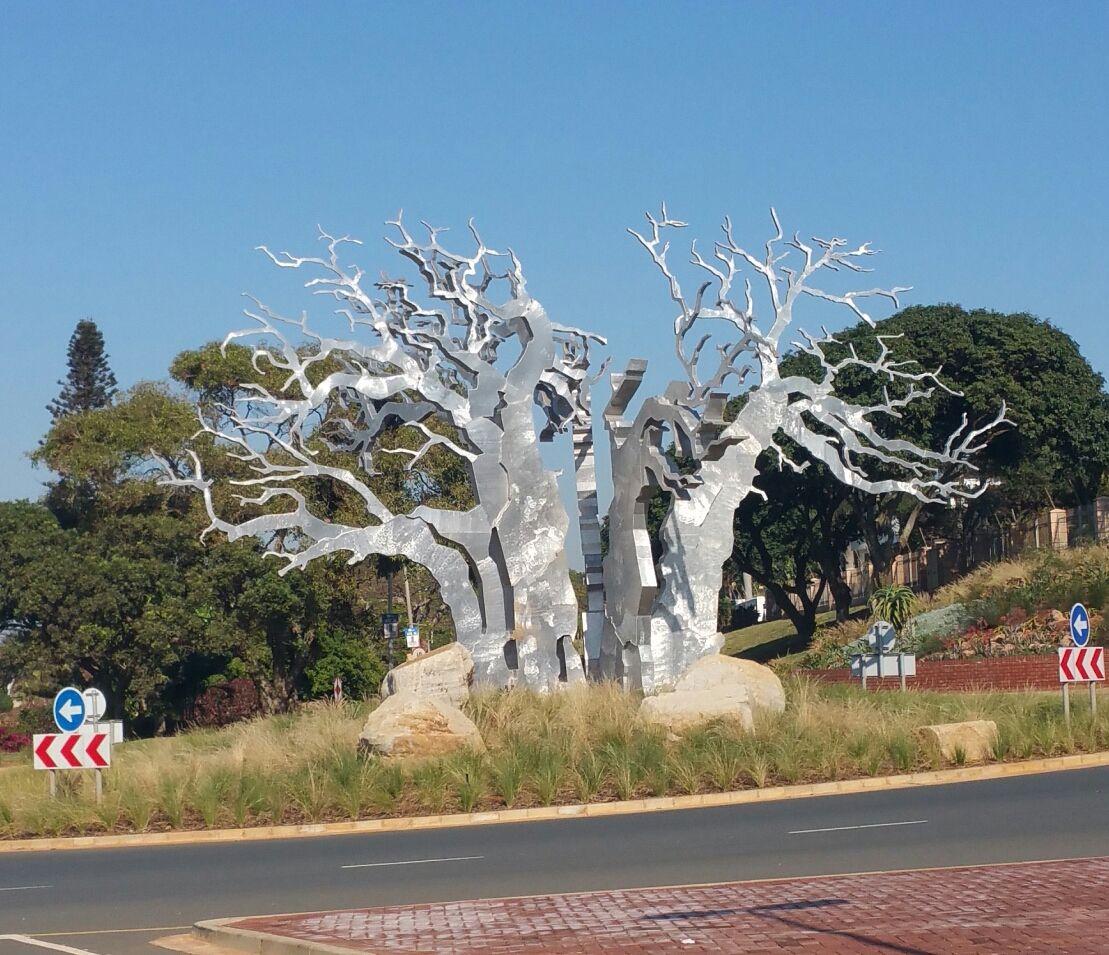
Memorial Gateways · Cultural Entrances · Historic Districts · Civic Road Nodes
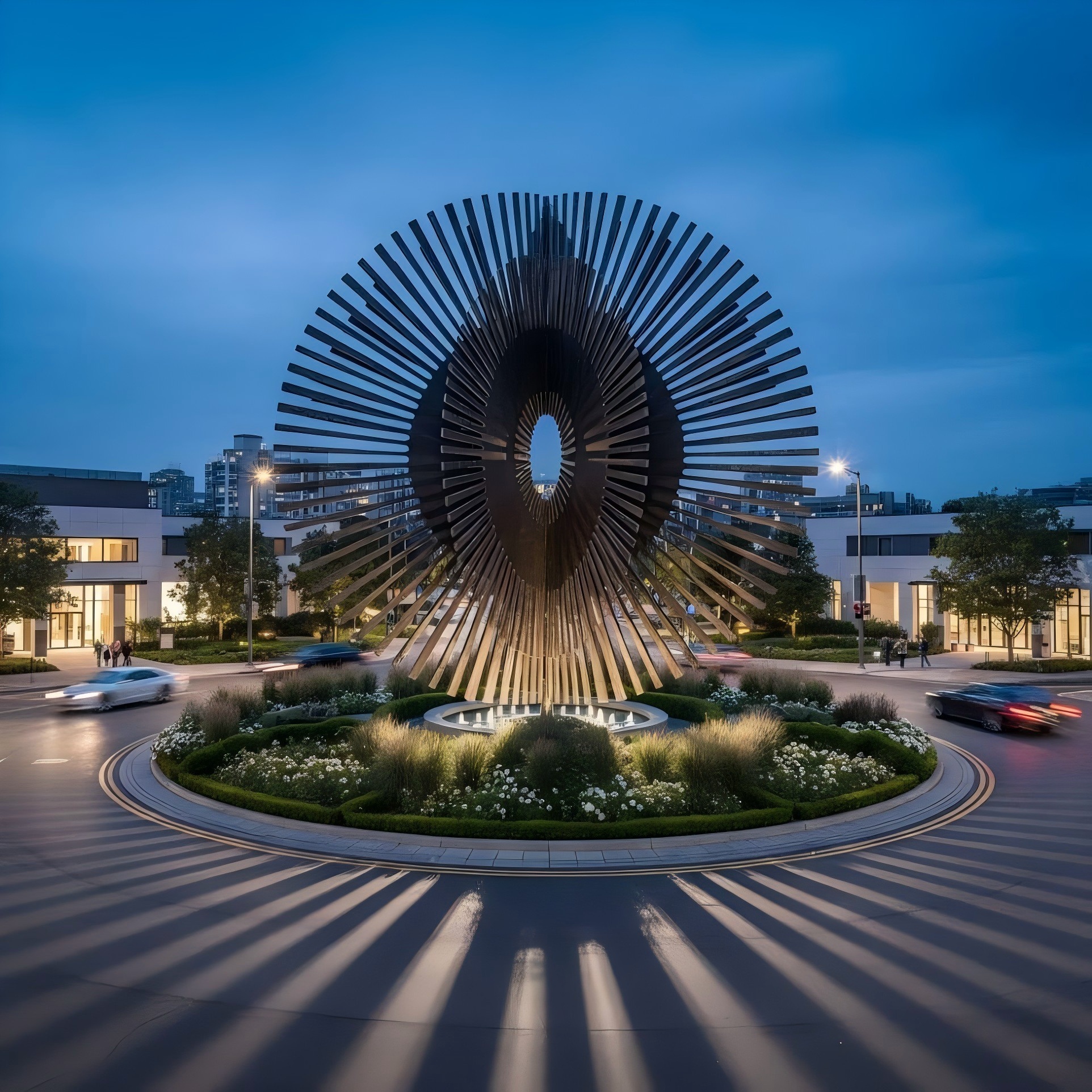
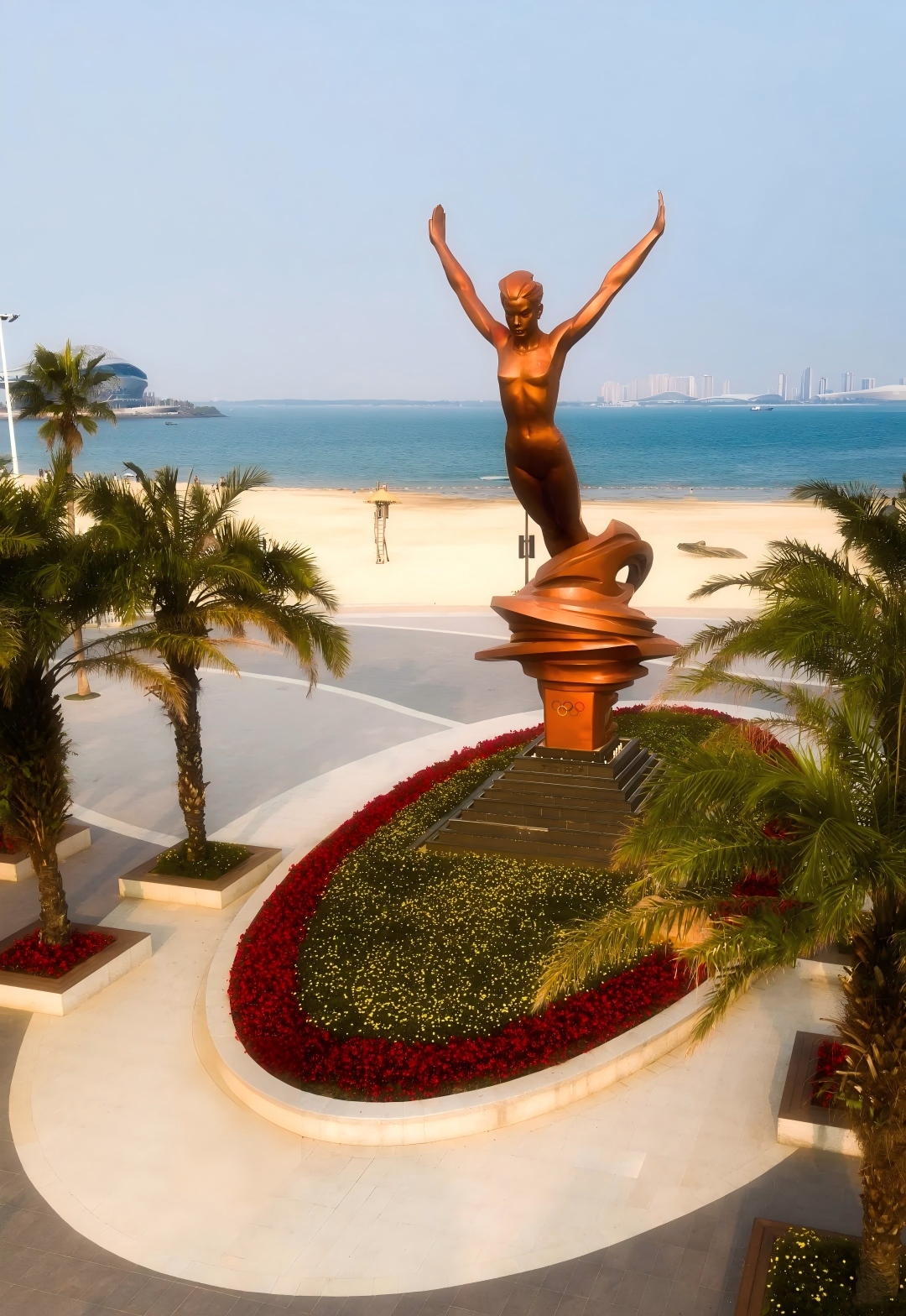
Suitable for:
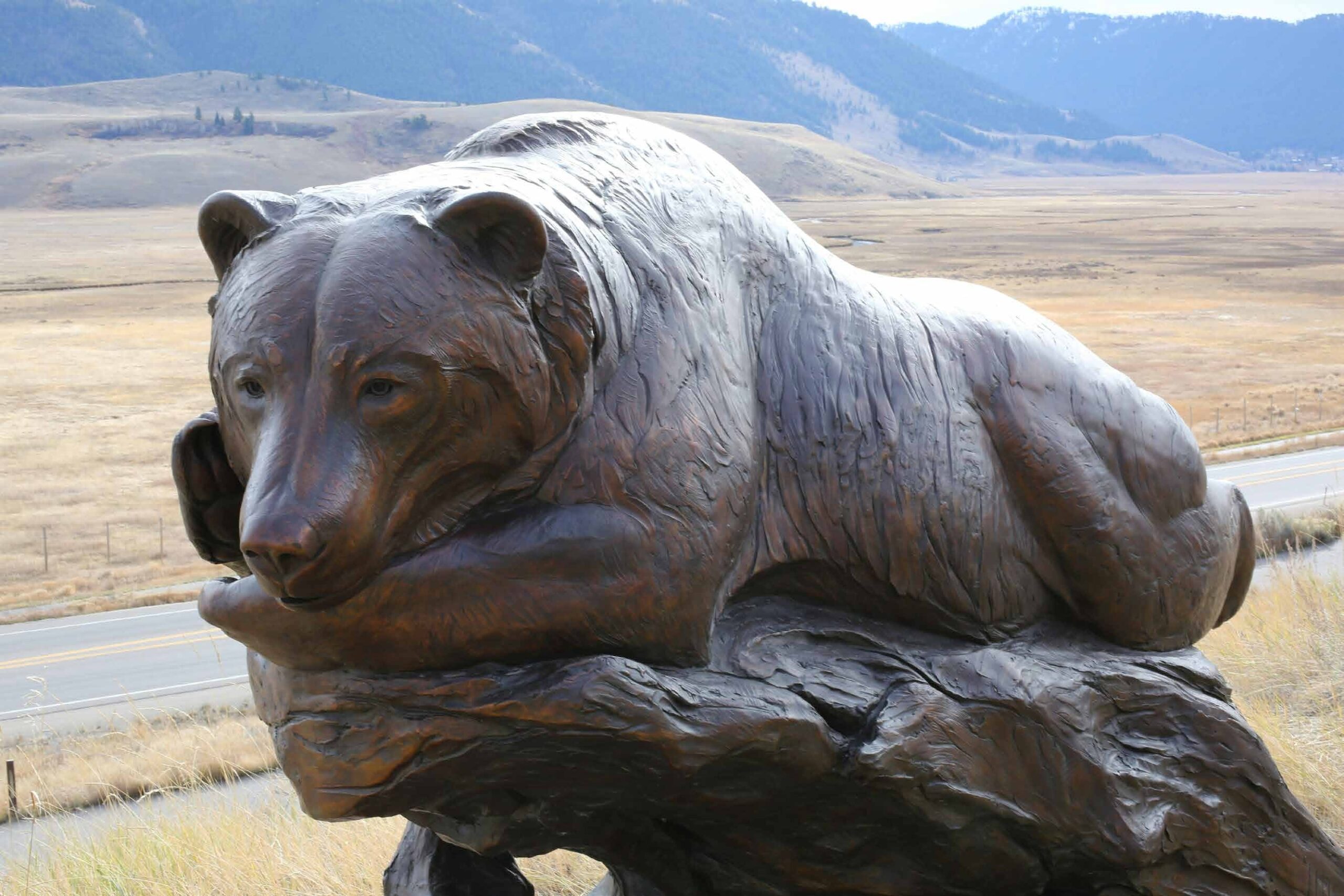
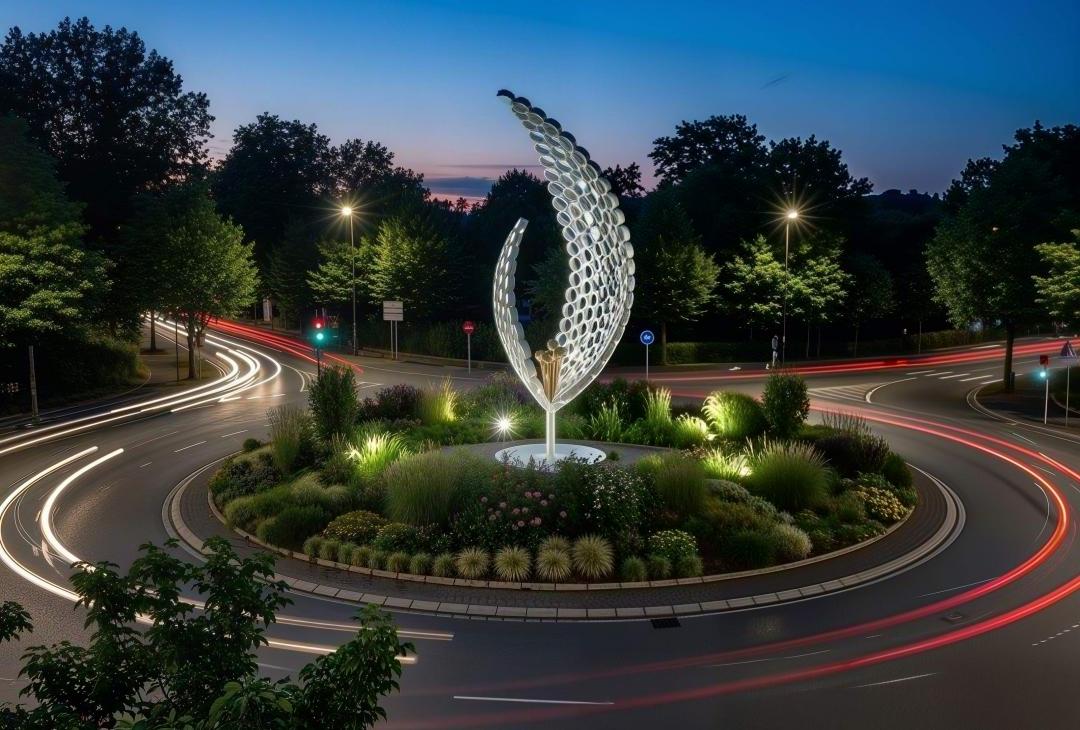
Landscape Roundabouts · Park Entrances · Greenway Nodes · Eco-Themed City Gateways
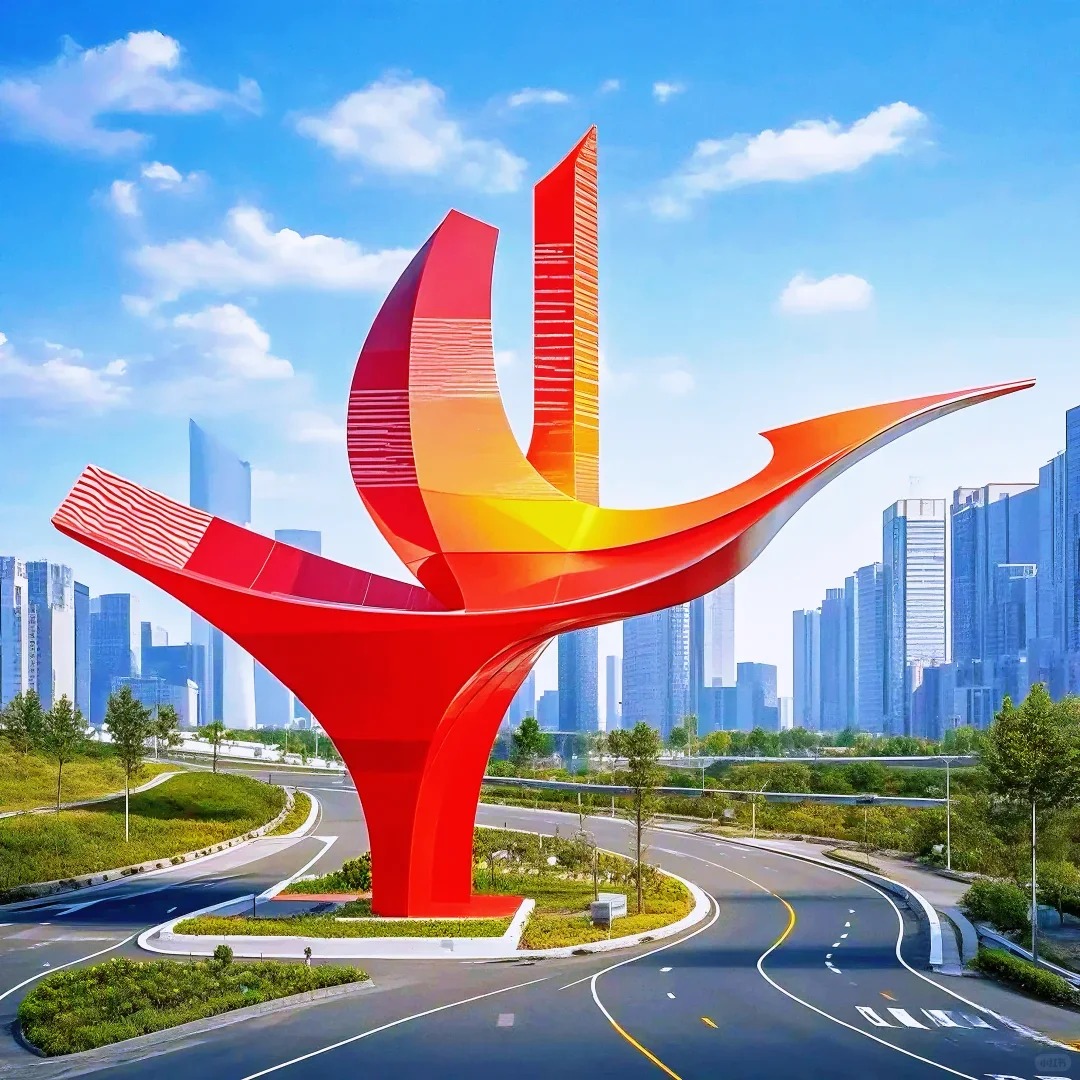
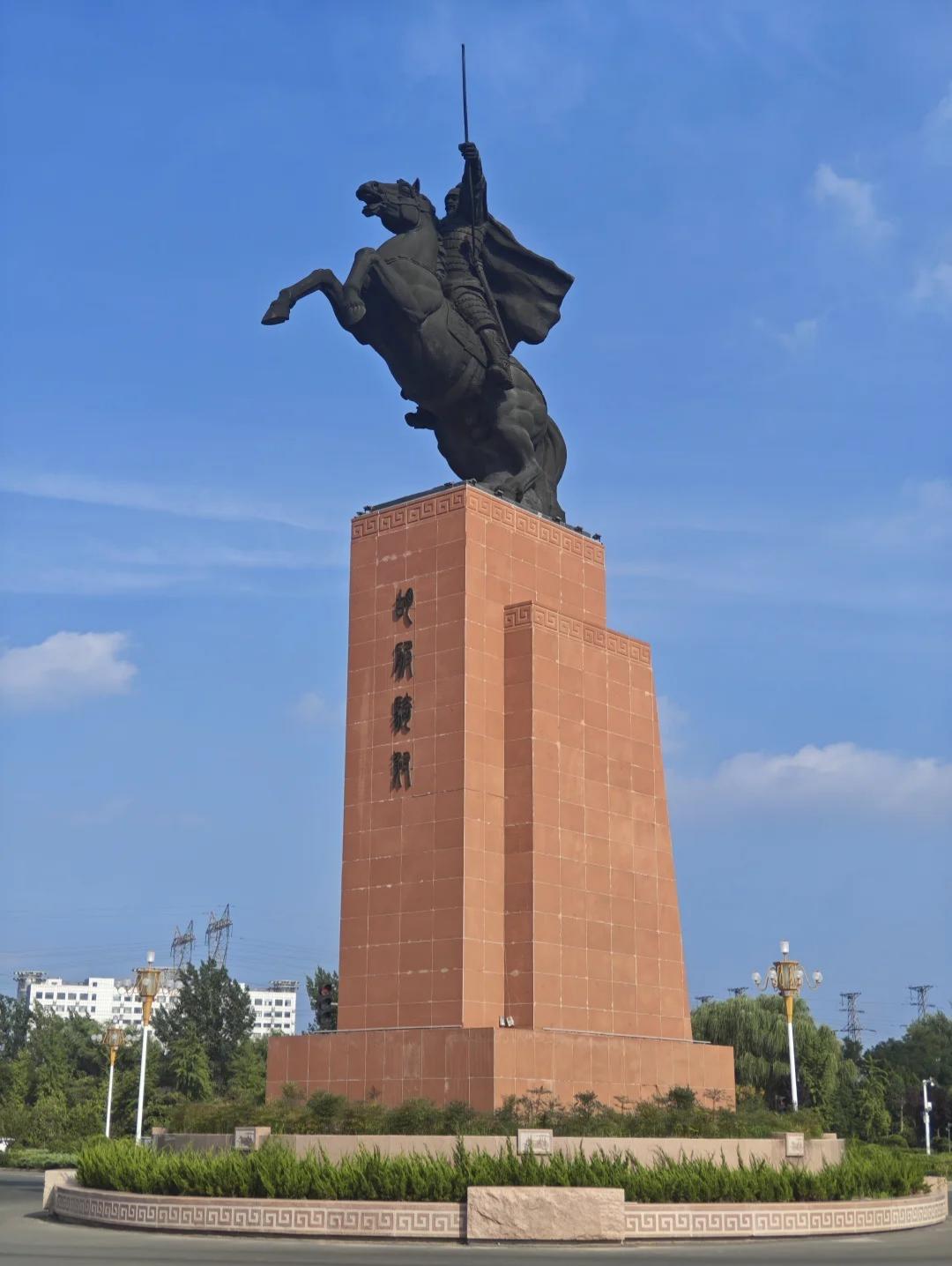
Suitable for:
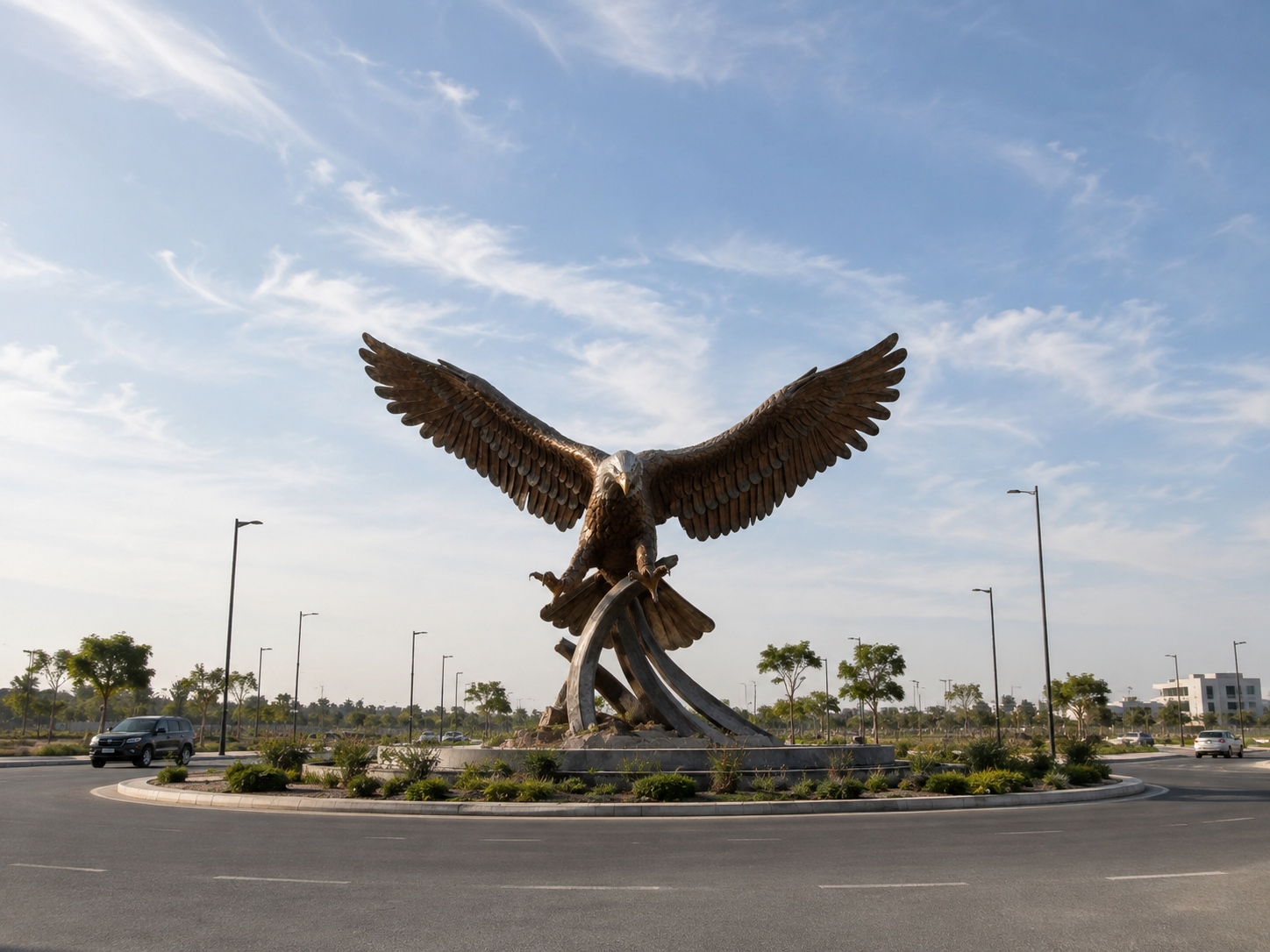
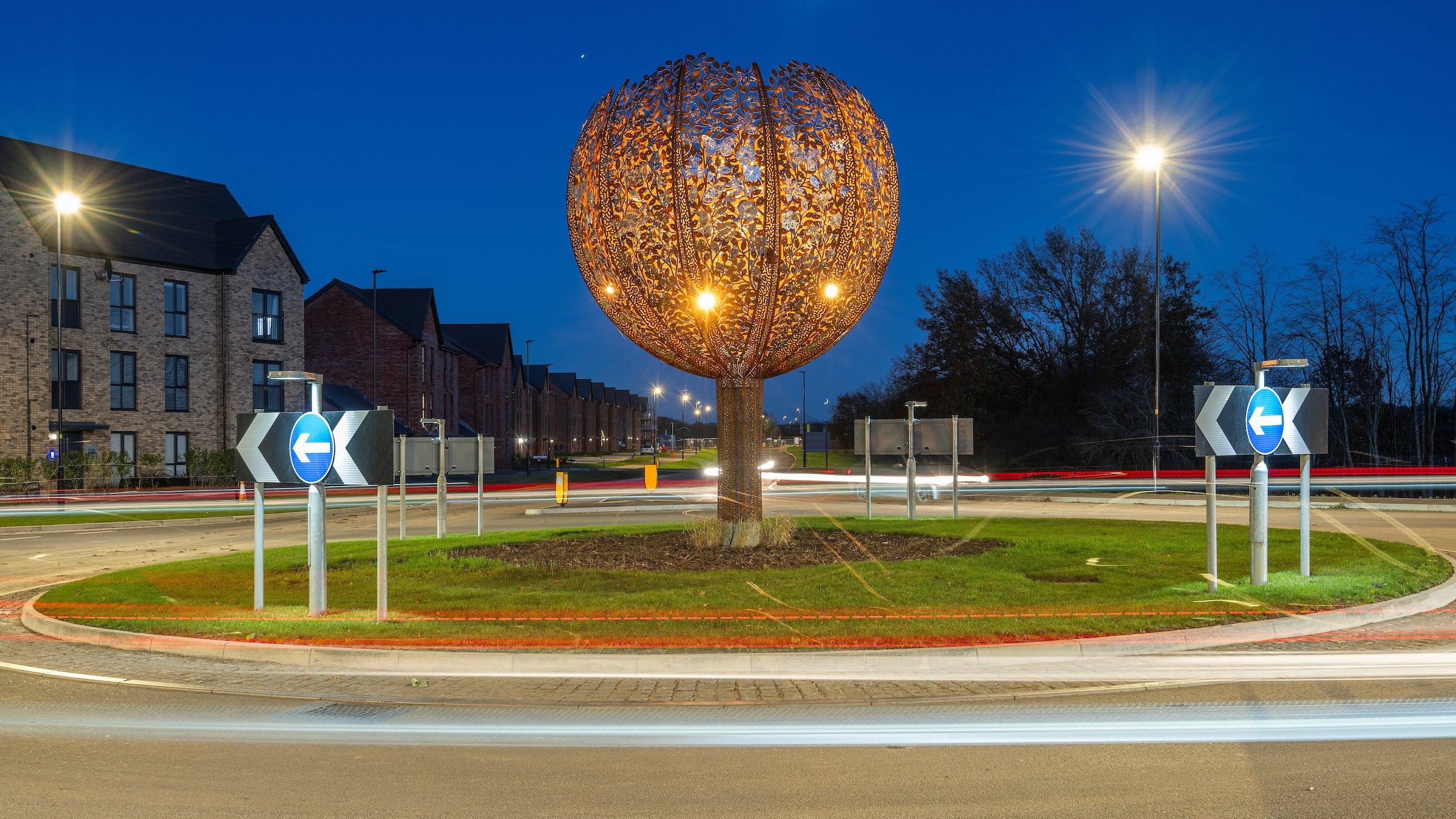
Large Central Roundabouts · City Gateways · Image-Display Nodes · Boulevard Entrances
Although both are used in roadside and urban public spaces, their design priorities are slightly different.
Roundabout sculptures are usually viewed from several directions.
Key considerations include:
The form should usually be clear and concentrated, without too many small details.
City gateway sculptures often have a stronger directional relationship with the road.
They usually focus more on:
This makes city gateways especially suitable for taller, more symbolic landmark sculptures or large cultural works.
Road environments usually involve longer viewing distances.
If a sculpture is too small, even a detailed design may not create enough visual presence.
The final size should therefore be considered together with the roundabout diameter, road width, surrounding buildings and main viewing distance.
One of the biggest differences between roadside sculpture and pedestrian public art is viewing time.
People in vehicles may only see the sculpture for a few seconds, so a clear silhouette and recognizable theme are often more important than small details.
Roundabout sculptures are seen from different road approaches.
The front, side and rear views should all be considered during design development so that the sculpture works from multiple directions.
Stainless Steel — modern, durable and suitable for large abstract and landmark sculptures
Bronze — suitable for figurative, animal and cultural sculptures
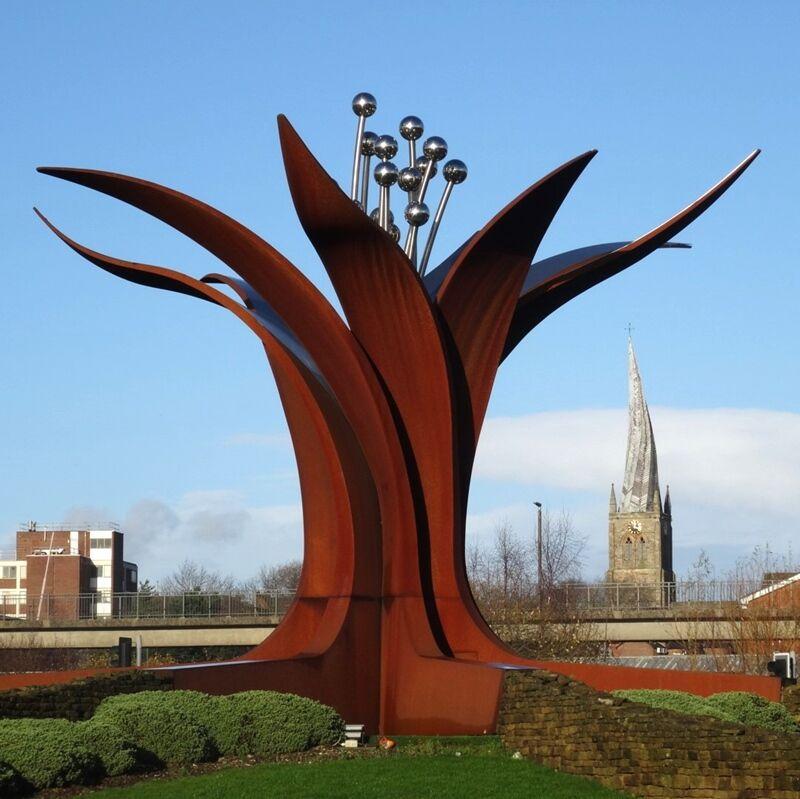
Corten Steel — suitable for contemporary and nature-inspired public art
Fiberglass — suitable for complex forms and customized colors
Coastal and high-humidity environments may require additional corrosion protection and maintenance planning.
Many city entrances and major roundabouts remain important visual landmarks at night.
Lighting can strengthen the sculpture’s silhouette, reflections and visual depth, but it works best when considered together with the sculpture design from the beginning.
Large roadside sculptures, highway sculptures and city gateway landmarks require more than artistic design.
Typical engineering considerations include:
Internal Structure · Wind Load · Foundation Connections · Sectional Fabrication · Transportation Size · Lifting Conditions · On-Site Installation
For tall or large-scale metal sculptures, internal structure and foundation design directly affect long-term safety.
For international projects, transportation should also be considered early so that the sculpture can be divided into practical sections while minimizing visible joints after installation.
Whether you already have a complete sculpture design or are still developing an initial concept, the design can be further developed according to the site environment, project scale and technical requirements.
Concept Development · 3D Visualization · Structural Engineering · Custom Fabrication · International Shipping · Installation Support
If you already have road renderings, landscape drawings, roundabout dimensions or an initial design idea, send them to us.
We can discuss suitable sculpture solutions based on the site scale, viewing distance, city identity and installation conditions.