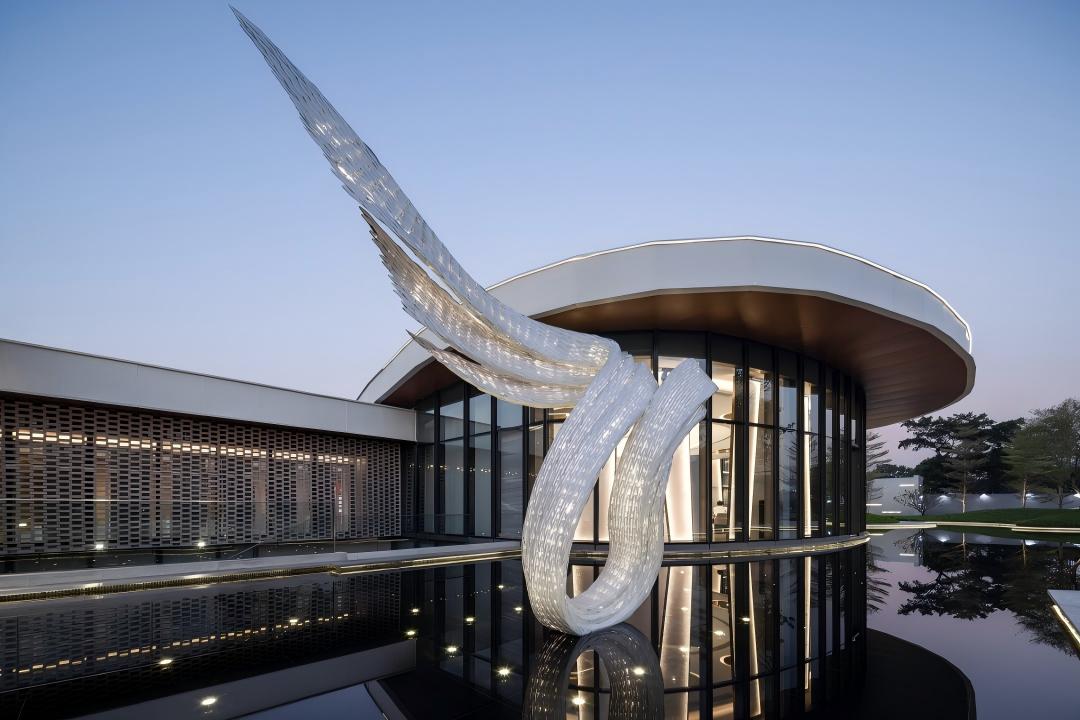
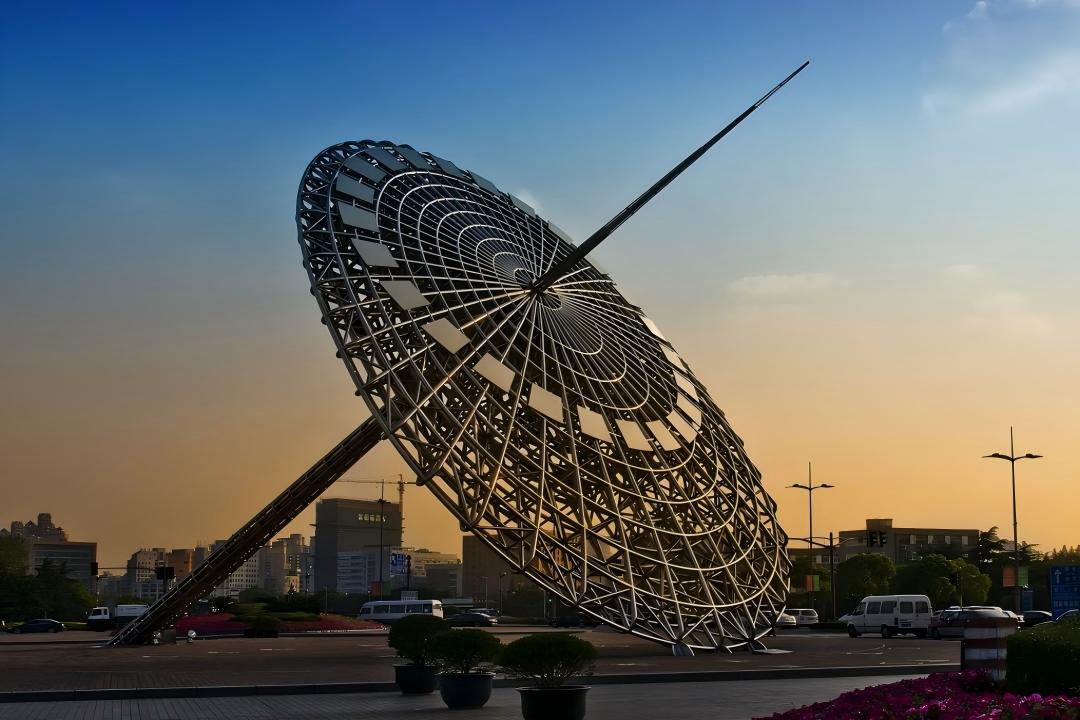
A hotel entrance is often the first visual point of contact for guests. Therefore, an entrance sculpture should not only have artistic appeal, but also work in harmony with the architecture, landscape, drop-off area, and the overall atmosphere of the space.
A suitable sculpture for a hotel entrance usually needs to meet several conditions:
- Match the positioning and architectural style of the hotel
- Fit the scale of the entrance space
- Be clearly recognizable from both vehicle and pedestrian viewpoints
- Use materials and surface finishes suitable for the local environment
- Maintain a strong visual effect during both the day and night
- Avoid interfering with vehicles, pedestrians, and normal hotel entrance operations
Therefore, choosing a hotel entrance sculpture is not simply about selecting an attractive design. The hotel type, entrance scale, main viewing directions, materials, and actual functional requirements should all be considered together.
1. Start with the Hotel Positioning Before Choosing the Sculpture Style
Different types of hotels require different visual languages and overall styles for their entrance sculptures.
For example:
- High-end business hotels are often better suited to clean, modern, and refined abstract metal sculptures.
- Luxury resort hotels can use themed sculptures inspired by nature, water features, or local culture.
- Boutique hotels are more suitable for custom sculptures with a distinctive artistic language and stronger visual identity.
- Cultural or themed hotels can incorporate local culture, history, or architectural elements into the sculpture design.
The entrance sculpture should reinforce the identity of the hotel rather than become an isolated decoration unrelated to the architecture and landscape.
Therefore, before determining the sculpture form, it is important to understand the overall design language, architectural style, and brand image the hotel wants to convey.
2. The Sculpture Scale Should Match the Hotel Entrance Space
A hotel entrance usually includes the drop-off area, porte-cochère, canopy, front landscape, water features, and the main entrance façade.
The size of the sculpture should be determined according to the entire entrance space rather than considered independently.
Key factors usually include:
- Height of the building entrance
- Size of the front entrance area
- Scale of the canopy or porte-cochère
- Distance between the sculpture, vehicles, and pedestrians
- Main viewing distance
- Whether the sculpture needs to form a strong visual focal point from a distance
If the sculpture is too small, it may be visually overwhelmed by the building and entrance space. If it is too large, it may block the entrance, affect sightlines, or make the drop-off area feel crowded.
The right scale should give the sculpture enough visual presence while maintaining a balanced relationship with the surrounding architecture and landscape.
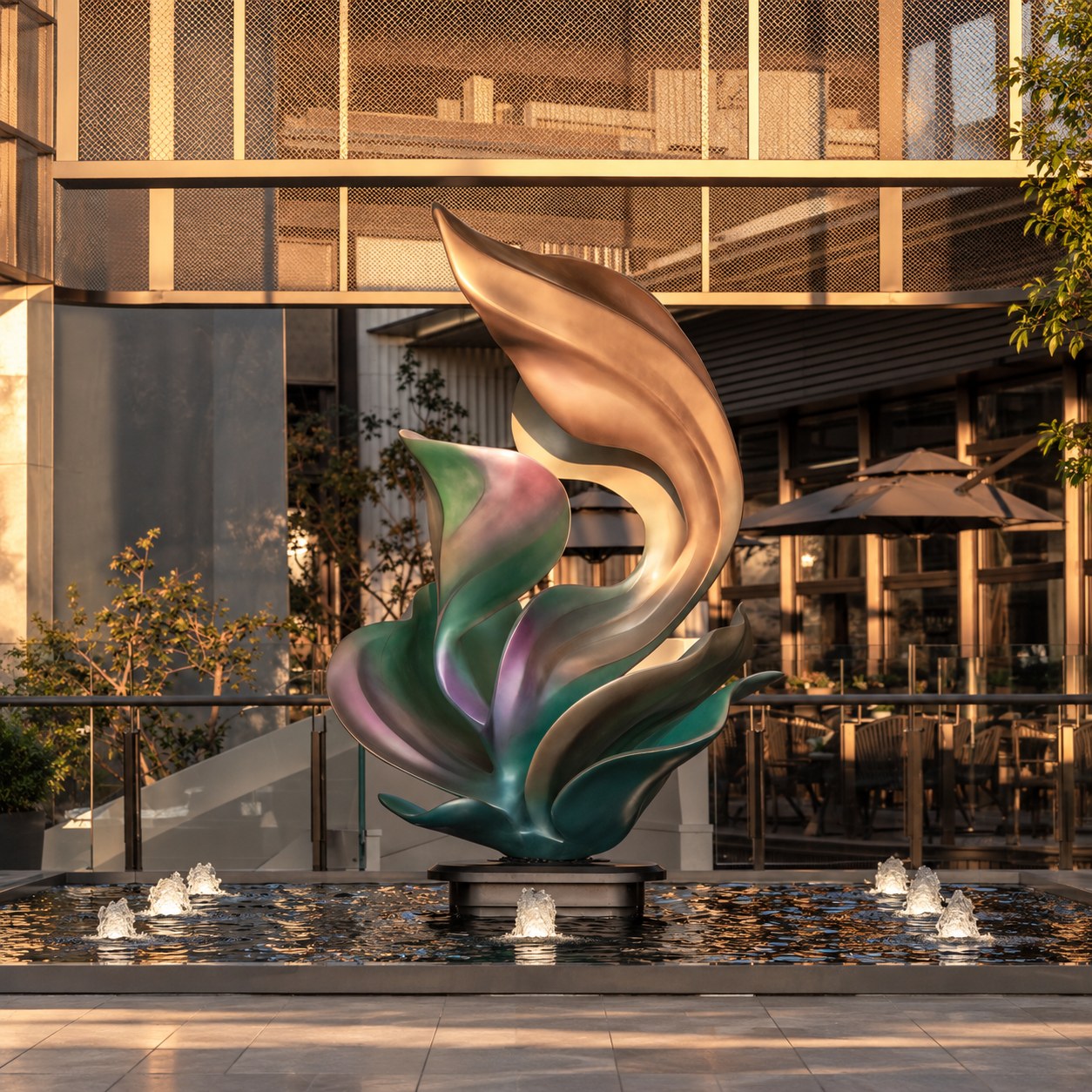
3. Both Vehicle and Pedestrian Views Should Be Considered
One important difference between a hotel entrance and an ordinary landscape space is that many guests first see the sculpture from inside a vehicle.
Therefore, the entrance sculpture should work well both from a distance while guests are moving toward the hotel and at close range after they arrive.
Vehicle View
From the vehicle approach, the sculpture should:
- Have a clear overall silhouette
- Be easy to recognize within a short viewing time
- Create a clear relationship with the entrance road and architectural background
- Maintain a good visual effect from different arrival directions
For entrances where vehicles move relatively quickly, overly fragmented or complicated forms may be difficult to recognize at first glance.
Pedestrian View
When guests approach the sculpture on foot, it is also important to consider:
- Whether close-up details look natural
- Whether the sculpture scale feels comfortable in relation to people
- Whether the surface finish works well at close range
- Whether the sculpture affects entrance circulation and waiting areas
A good hotel entrance sculpture should therefore be recognizable from a distance while still offering detail and quality when viewed up close.
4. Materials and Surface Finishes Should Suit the Hotel Environment
Material selection directly affects the visual character of the sculpture, as well as its long-term outdoor performance and maintenance requirements.
Different materials are suitable for different hotel projects.
Stainless Steel
Stainless steel is well suited to modern, luxury, and high-end hotel entrances. Common surface options include:
- Mirror finish
- Brushed finish
- Painted finish
- Other customized surface treatments
Simple forms and metallic finishes can work particularly well with modern architecture, glass façades, and lighting environments.
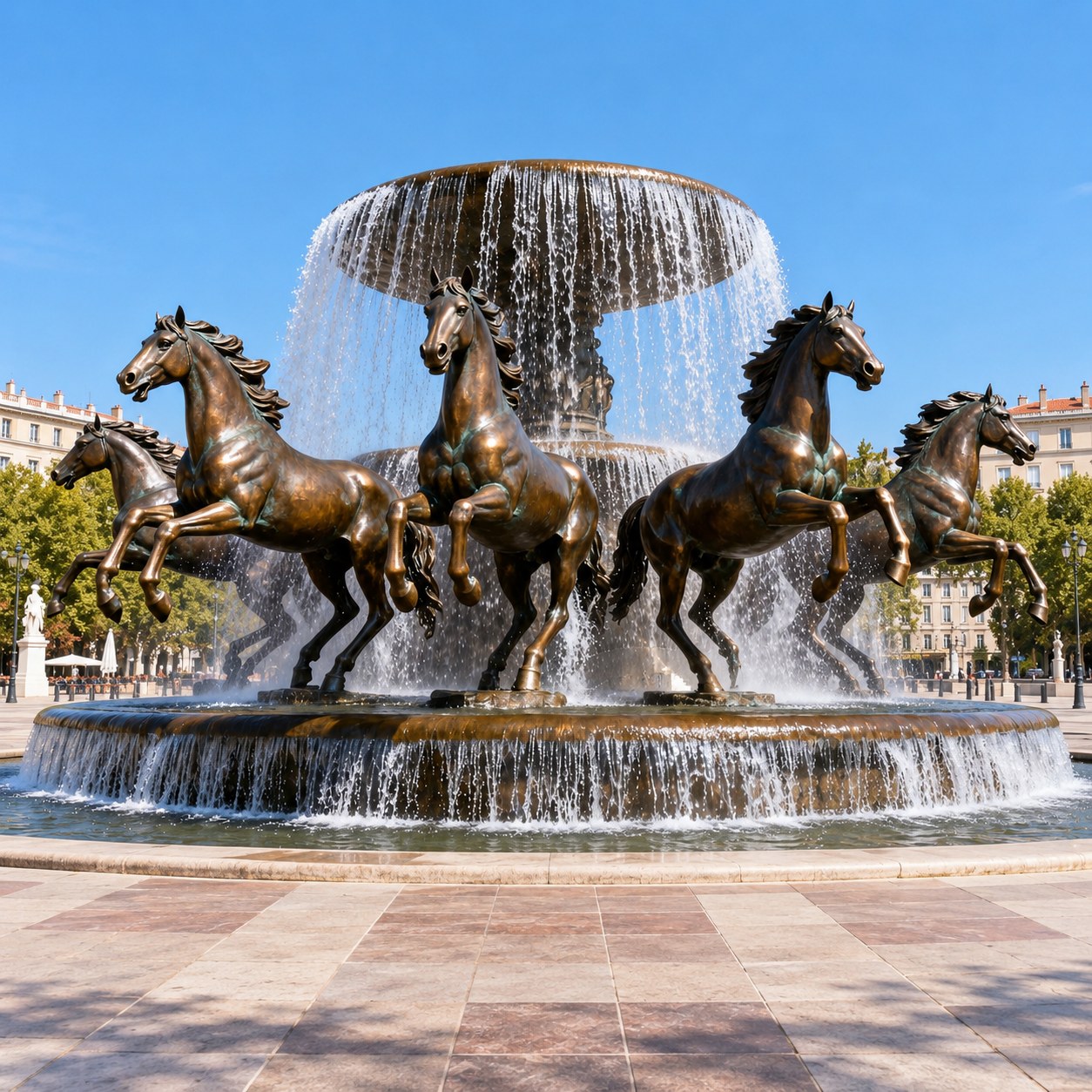
Bronze
Bronze is more suitable for hotels that emphasize culture, tradition, or a stronger artistic atmosphere.
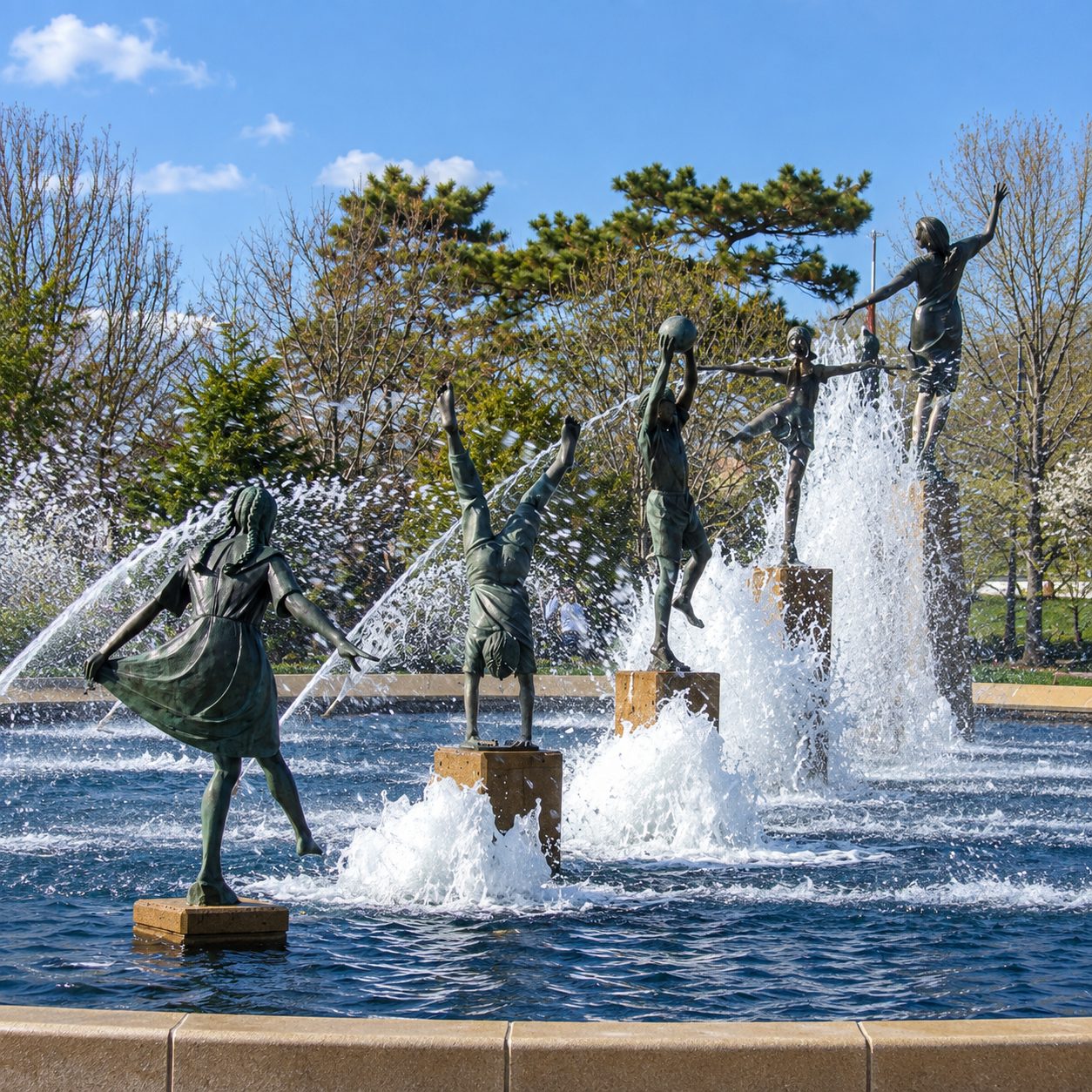
Figurative, animal, and culturally themed sculptures can make use of bronze’s ability to express fine details and aged surface effects, creating a more refined and established visual character.
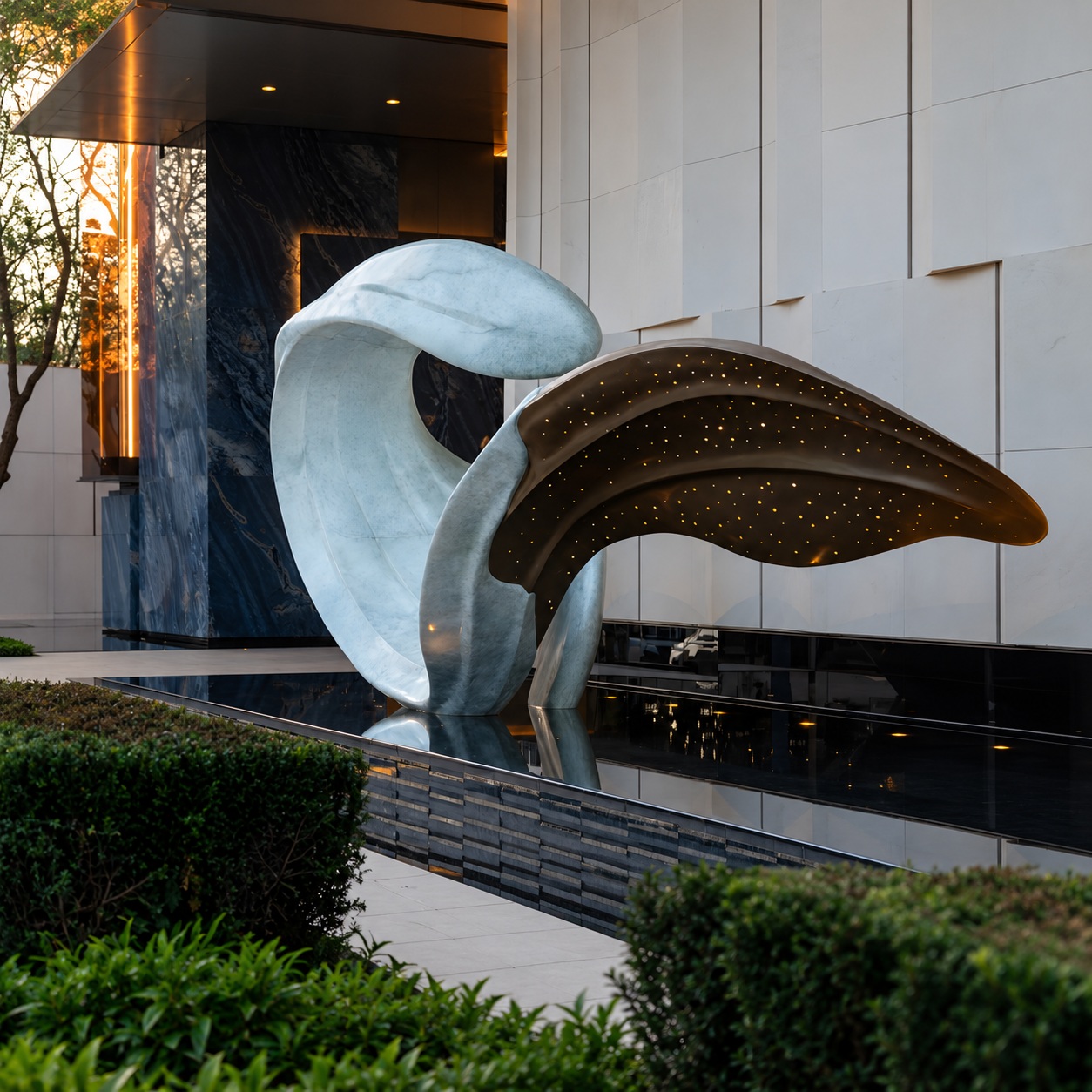
Corton Steel
Corton steel can work well in natural, resort-style, or landscape-oriented hotel projects.
Its surface can form a softer relationship with planting, stone, and other natural materials.
In addition to style, the actual local environment should also be considered, including:
- High temperatures
- Salt spray
- Dust and sand
- Rain and humidity
- Frequent human contact
- Daily cleaning and maintenance
For this reason, material selection for a hotel entrance sculpture should consider both visual appearance and long-term use conditions.
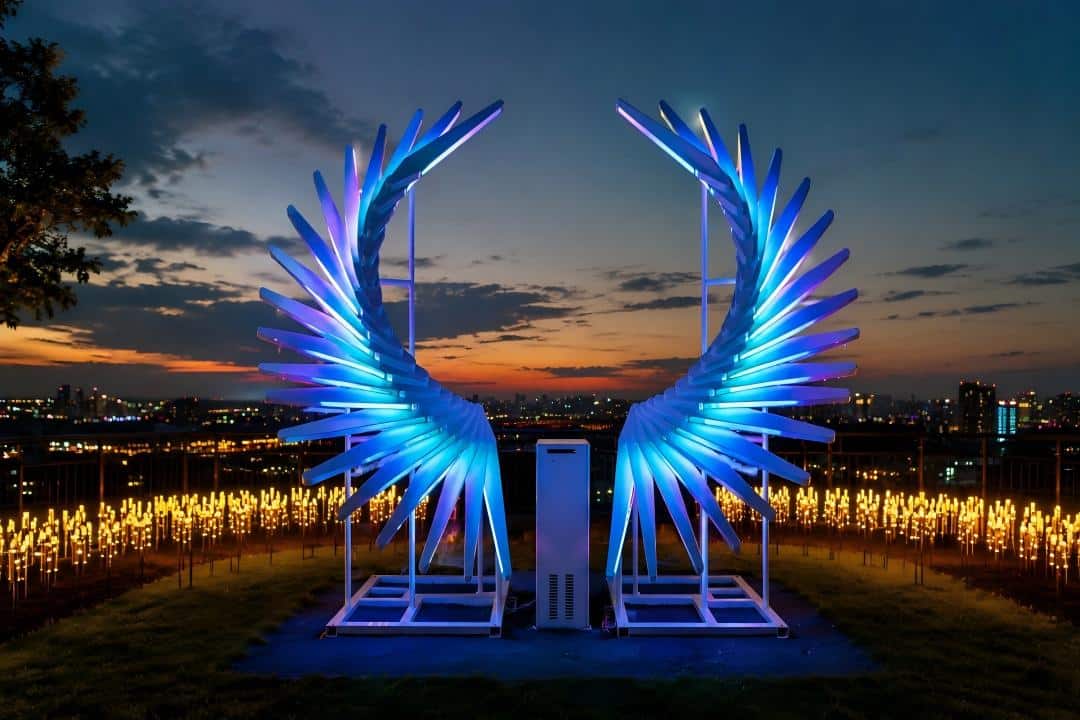
5. Night Lighting Directly Affects the Appearance of an Entrance Sculpture
Hotel entrances are often important visual areas at night.
Therefore, the selection and design of an entrance sculpture should not focus only on daytime appearance. The nighttime lighting environment should also be considered from the beginning.
Key factors include:
- Whether architectural lighting affects the visual appearance of the sculpture
- Whether independent accent lighting is required
- Whether the sculpture surface is highly reflective
- Whether the sculpture works together with entrance water features or landscape lighting
- Whether appropriate brightness and visual layering can be maintained from different viewing directions
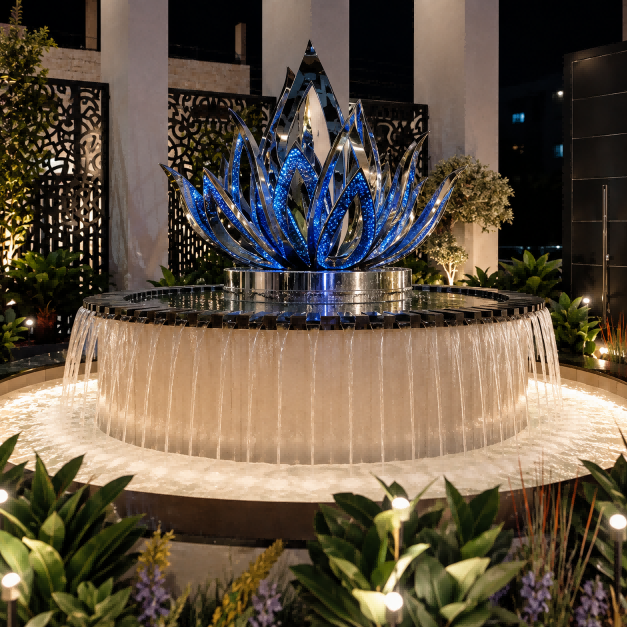
For example, mirror-polished stainless steel reflects surrounding architectural and landscape lighting at night, so lighting positions and brightness levels can have a significant effect on the final appearance.
If the sculpture itself includes lighting or an integrated illumination system, the structure, electrical system, waterproofing, and future maintenance requirements should also be considered during the design stage.
6. The Sculpture Should Not Interfere with the Practical Use of the Hotel Entrance
A hotel entrance is first and foremost a high-traffic functional space.
Vehicles, guests, luggage, and hotel staff pass through it every day, so the sculpture location and scale should not be determined from a visual perspective alone.
It should generally avoid:
- Blocking vehicle or driver sightlines
- Interfering with turning movements in the drop-off area
- Occupying major pedestrian routes
- Affecting luggage movement
- Conflicting with the canopy, porte-cochère, or entrance circulation
This is particularly important in large hotels and resorts, where the entrance may need to support vehicle circulation, guest drop-off, and landscape presentation at the same time.
The sculpture should enhance the visual experience of the entrance without interfering with normal hotel operations.
How Vincentaa Supports Hotel Entrance Sculpture Projects
A hotel entrance sculpture needs to consider the hotel positioning, architectural scale, landscape environment, viewing distance, materials, and nighttime appearance together.
Vincentaa can support clients in selecting a suitable sculpture type, scale, material, and surface finish based on the actual project conditions, while also coordinating the sculpture with the surrounding architecture and landscape during design development.
From early concept development and material selection to fabrication, transportation, and project support, our goal is to ensure that the hotel entrance sculpture not only works visually during the design stage, but also fits the actual site and long-term use requirements.