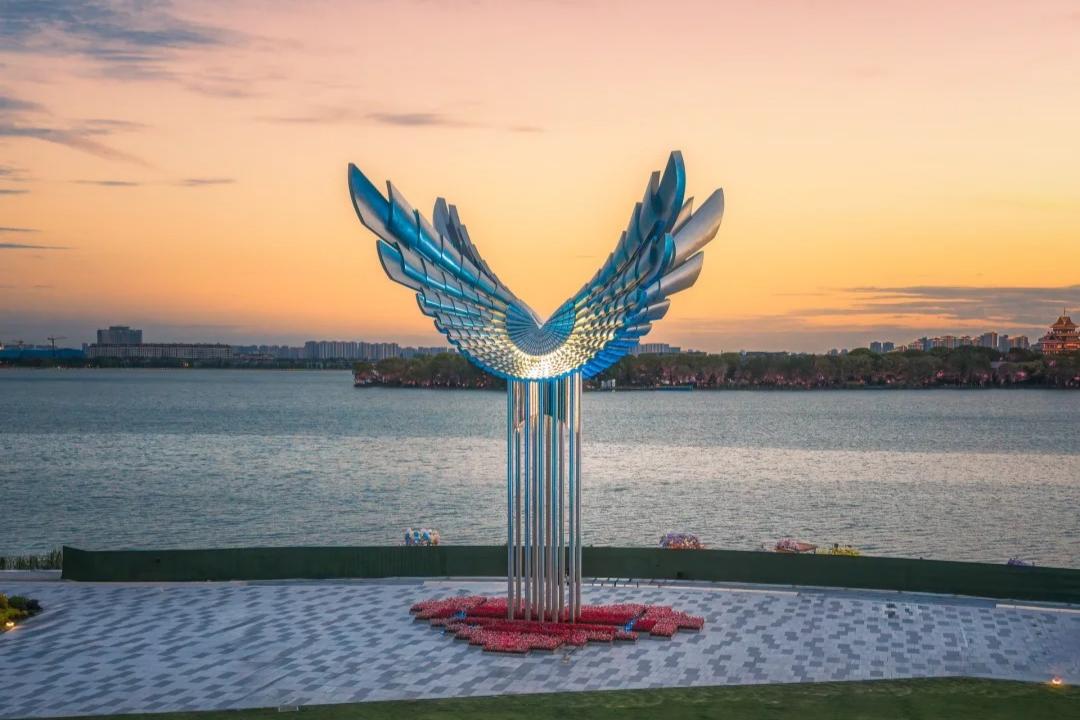
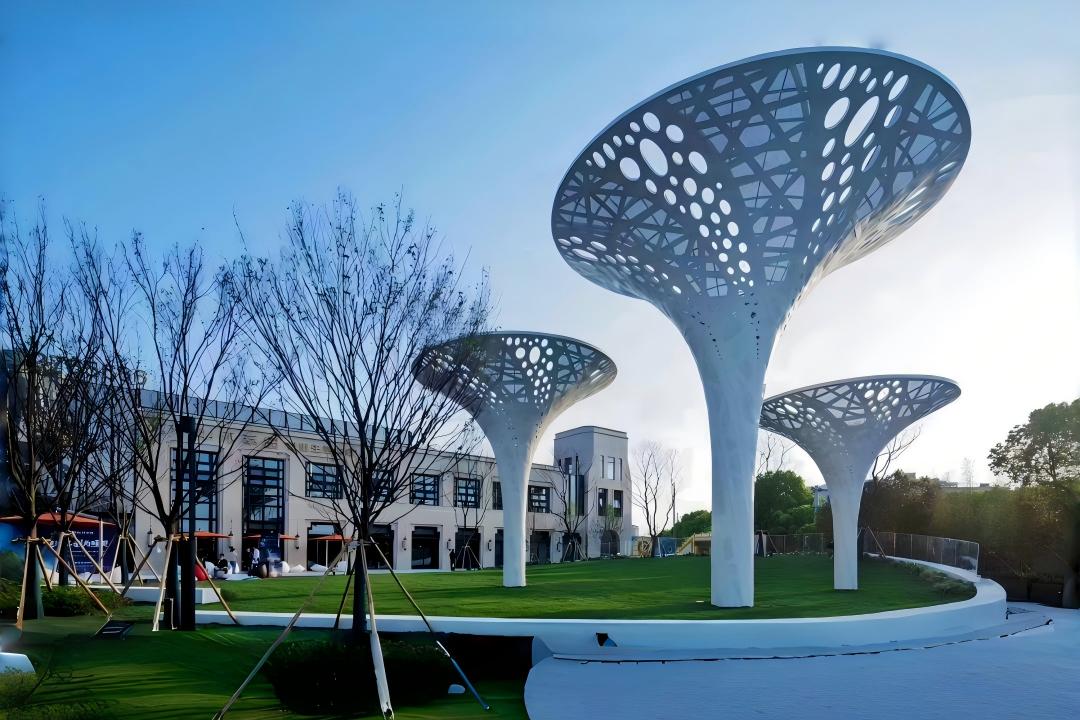
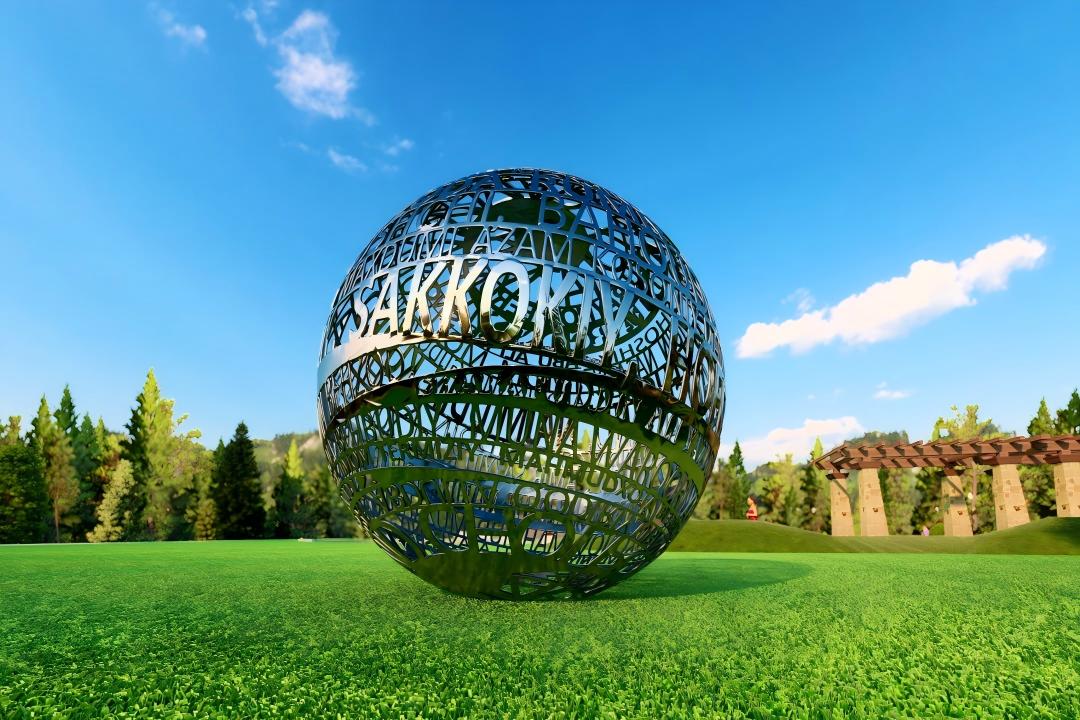
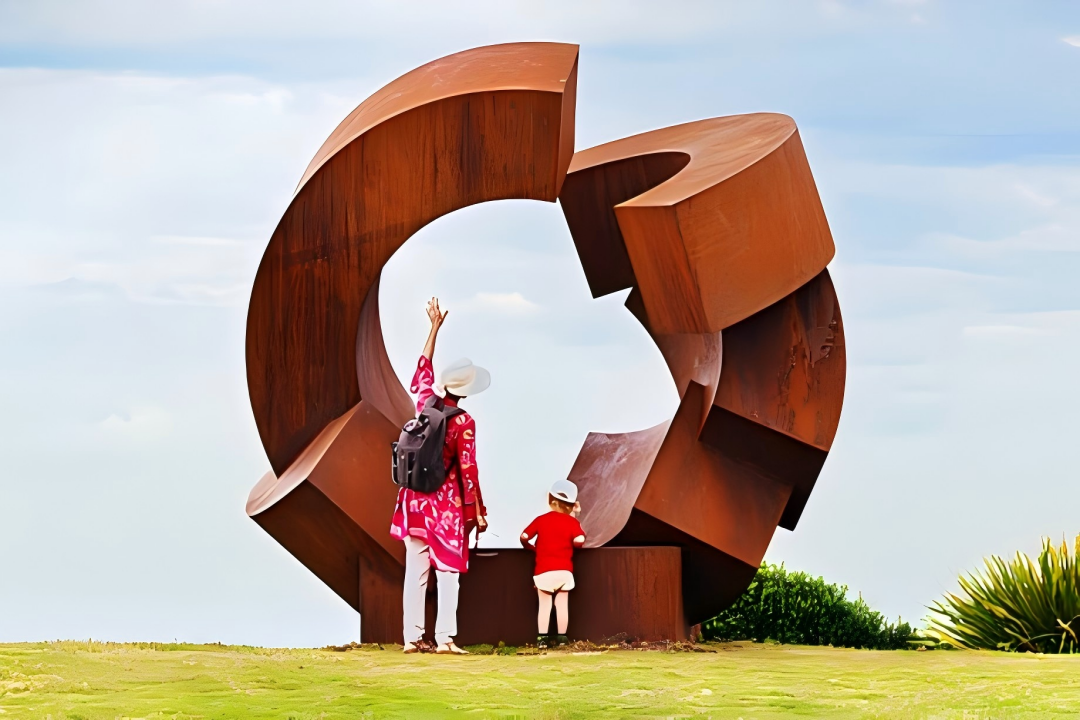
City entrances are not only transportation nodes but also the first window through which a city presents its image. In many large-scale projects—from visually striking coastal sculptures in Qatar, such as The Power of Nature, to emerging urban centers across the GCC—a landmark sculpture with strong visual impact is often more memorable than conventional signage, quickly establishing identity and recognition for a city or district.
Particularly in the Middle East, city entrances are frequently designed as symbolic gateways and landmark zones. So how do you select a landmark sculpture that can withstand time, environmental challenges, and public expectations?
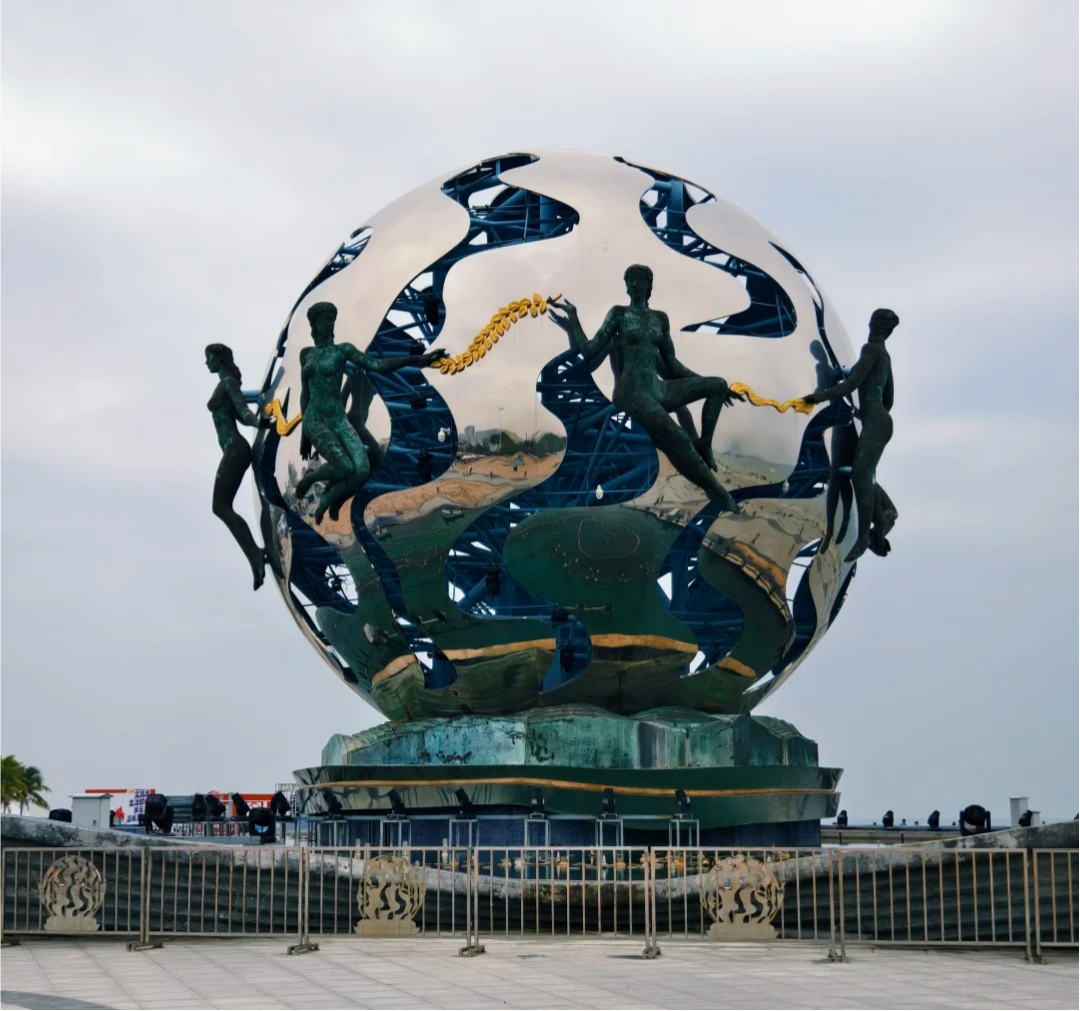
Step 1: Define the Project Objective
Before selecting a sculpture, the most critical step is to clarify the project’s purpose—not to start with form.
Common objectives include:
- Showcasing the city’s image
- Strengthening regional identity
- Elevating project positioning
- Attracting visitors or creating a social media landmark
Different goals require entirely different design approaches. For example:
- Cultural emphasis → more symbolic design
- Commercial appeal → stronger visual impact
- Landmark identity → greater focus on scale and recognizability
Step 2: Determine Appropriate Scale and Proportion
City entrances are typically open spaces with fast-moving traffic, requiring sculptures with sufficient visual presence.
If the scale is too small, issues may arise:
- Being visually “lost” among surrounding buildings
- Poor recognition from a distance
- Weak overall presence
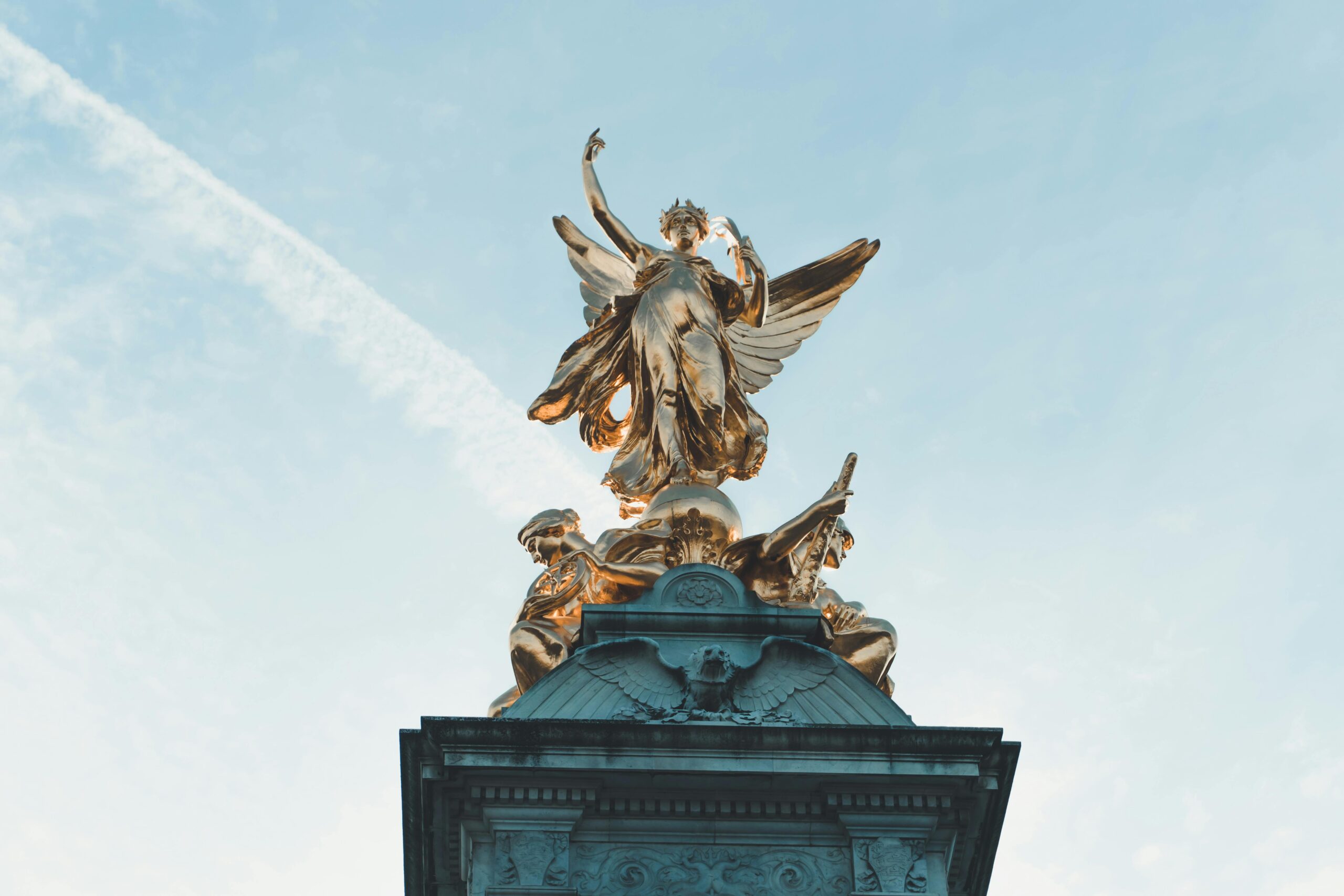
A well-proportioned landmark sculpture should consider:
- Road width
- Height of surrounding buildings
- Viewing distance (vehicular vs. pedestrian)
In simple terms:
The more open the space, the larger the sculpture needs to be.
Step 3: Select Materials Suitable for Outdoor Environments
Since entrance sculptures are fully exposed to outdoor conditions, material selection is critical.
Key factors to consider:
- High temperatures
- Strong UV exposure
- Dust and sand abrasion
- Long-term maintenance costs
Common material options include:
- Stainless Steel: Modern aesthetic, excellent weather resistance, ideal for contemporary cities
- Bronze: Solid and timeless, suitable for cultural or commemorative projects
- Corten Steel (Weathering Steel): Distinctive texture, ideal for landscape-oriented designs
Material choice not only affects appearance but also directly impacts durability and maintenance costs.
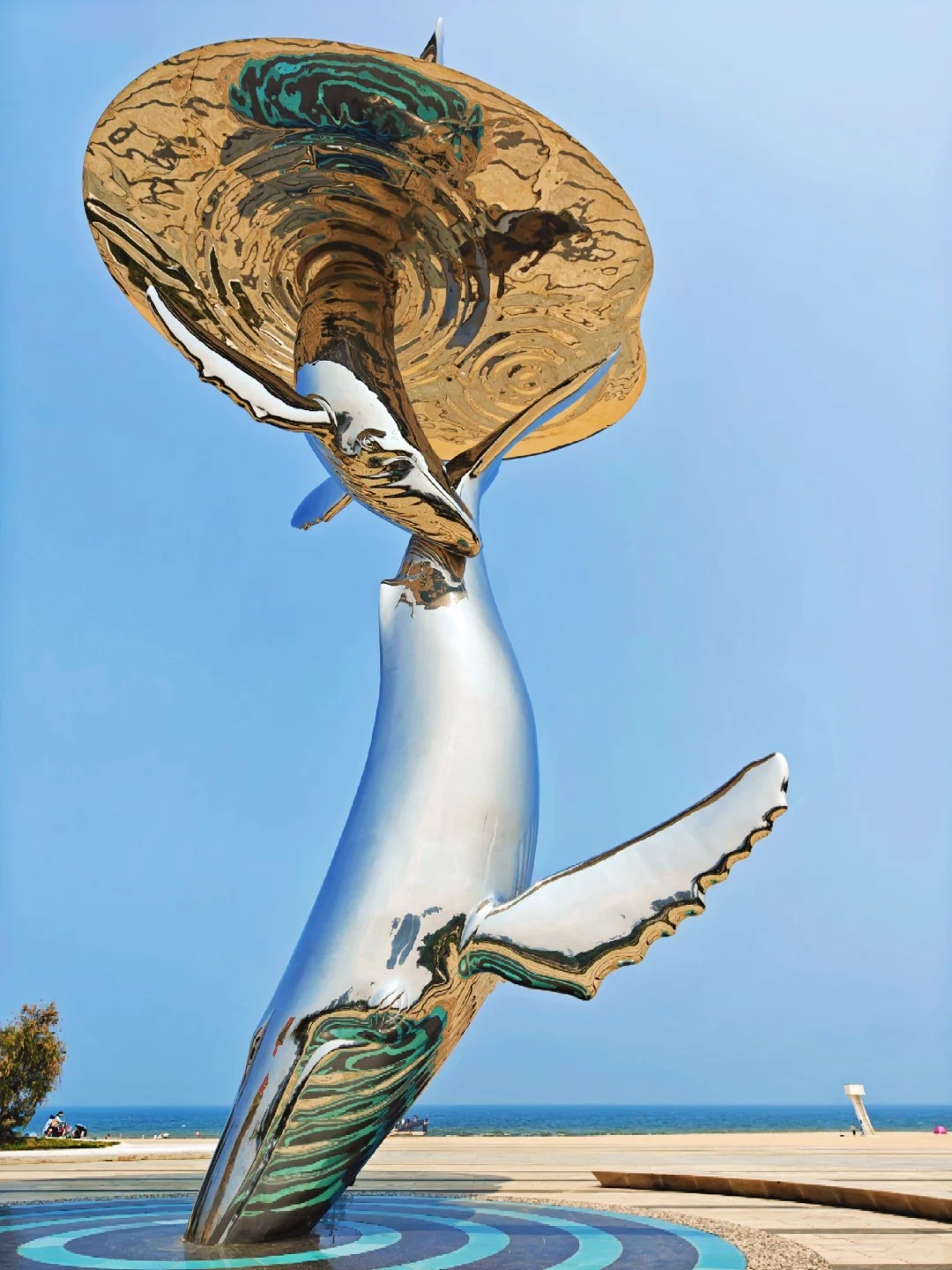
Step 4: Emphasize Visual Impact and Landmark Identity
The core role of an entrance sculpture is to serve as a visual focal point. Strong landmark sculptures typically feature:
- Clear visibility from long distances
- Simple yet memorable forms
- Distinctive silhouettes
- Strong visual performance from multiple angles
Avoid:
- Excessive detail that becomes unclear from afar
- Overly complex forms lacking overall cohesion
The key is not complexity, but clarity and recognizability.
Step 5: Ensure Safety and Long-Term Stability
City entrances are open environments, often exposed to strong winds and subject to traffic considerations.
Important factors include:
- Avoiding obstruction of drivers’ sightlines
- Not interfering with traffic signage visibility
- Structural stability of the sculpture
- Reliability of the foundation system
- Suitability for long-term outdoor use
For large-scale sculptures:
Safety is not just a technical requirement—it is fundamental to the project’s success.
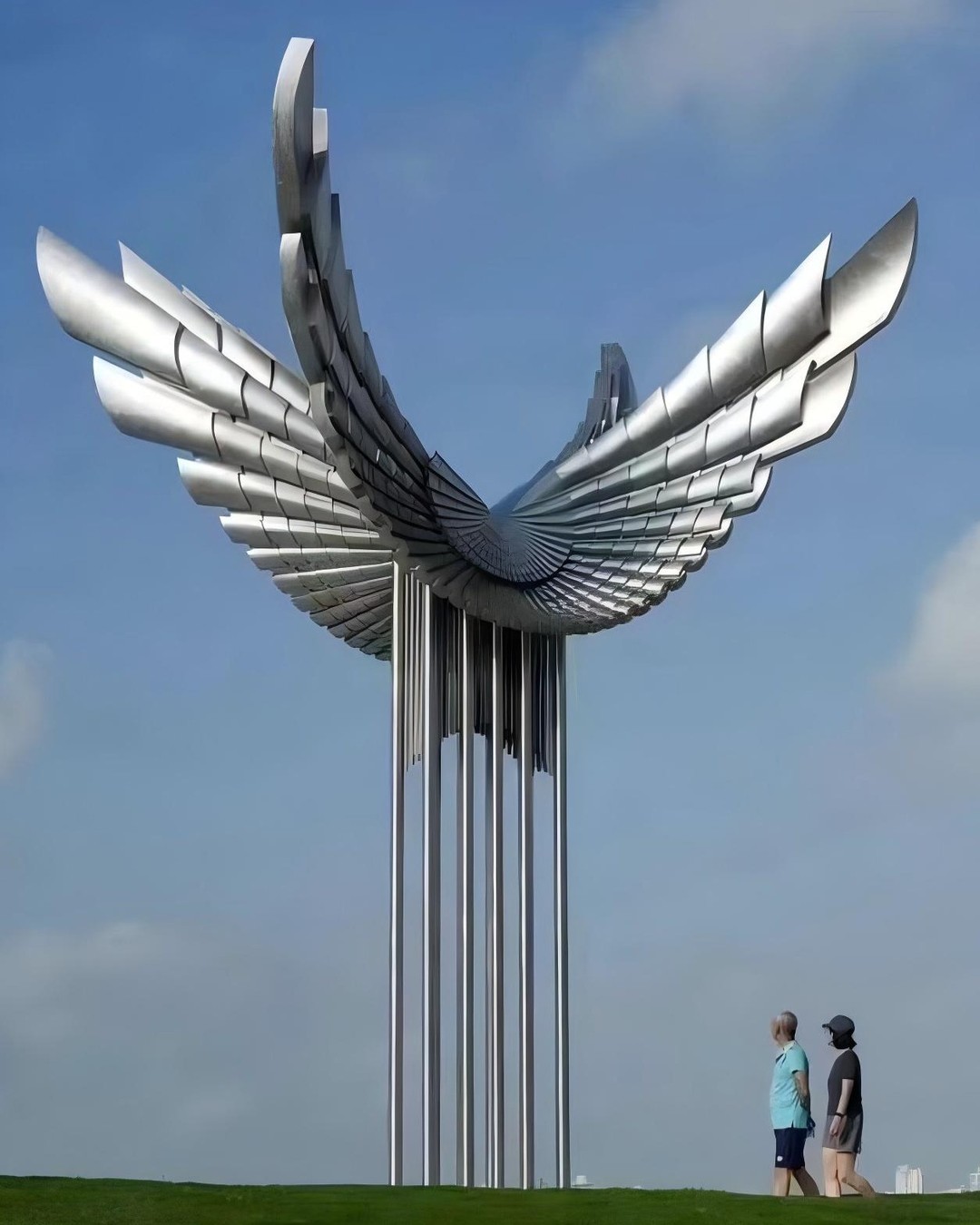
A well-designed entrance sculpture is more than a landmark—it reflects the spirit of a city and creates an emotional connection with every passerby.
Whether you are seeking a contemporary stainless steel masterpiece or a culturally significant bronze installation, we provide professional one-stop services. By carefully considering scale, material durability, and structural integrity, we work together with Vincentaa to create landmark sculptures that stand the test of time.