Bronze sculpture prices usually do not follow a fixed standard.
Even two figurative or animal sculptures of the same size can have very different costs because of differences in design complexity, fabrication methods, surface finish, internal structure, transportation, and installation requirements.
For custom projects, an accurate quotation usually needs to consider the design, dimensions, quantity, and installation conditions rather than simply calculating the price based on height.
01 Why Is There No Standard Price for a Bronze Sculpture?
Most bronze sculptures are custom-made, and the design and fabrication requirements can vary significantly from one project to another.
Factors that commonly affect the price include:
- Sculpture size
- Design complexity
- Quantity
- Clay modeling and mold making
- Casting and welding
- Surface finish
- Internal structure
- Packing and transportation
- Installation conditions
Therefore, two sculptures of the same height do not necessarily have the same production cost.
02 What Factors Affect Bronze Sculpture Prices the Most?
1. Size & Scale
Size is one of the most direct factors affecting the cost of a bronze sculpture.
As the sculpture becomes larger, more material is required. At the same time, the costs of enlarging the clay model, mold making, sectional casting, welding, internal structure, and transportation also increase.
For example, the cost difference between a 1-meter figurative sculpture and a 5-meter sculpture is not simply determined by the amount of bronze used.
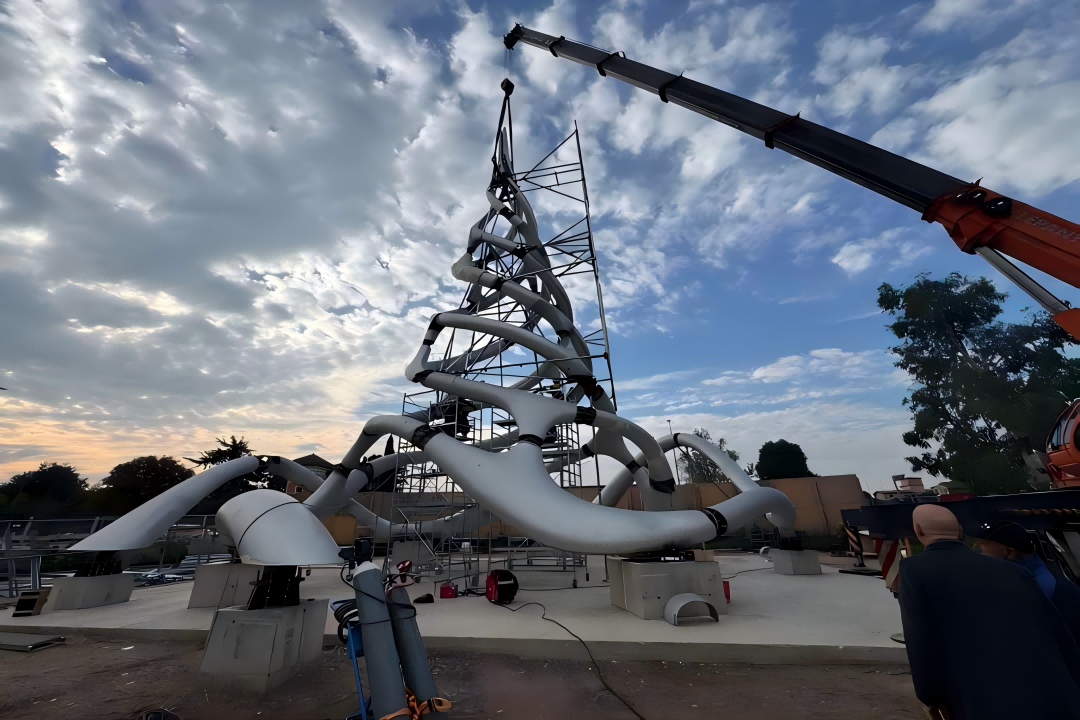
Large sculptures may also require additional consideration for structural safety, sectional fabrication, and on-site installation.
2. Design Complexity
The more detailed the sculpture, the more labor and time are usually required.
Typical details include:
- Facial expressions
- Hands
- Clothing folds
- Hair
- Animal fur
- Muscle definition
- Dynamic poses
These details increase the workload during clay modeling, mold refinement, casting, and final finishing.
By comparison, sculptures with simpler forms and smoother surfaces are generally easier to fabricate.
3. Quantity
The cost structure of a single custom sculpture is different from that of a multi-piece project.
When several identical or similar sculptures are required, some design, clay modeling, and mold costs can be reused, which may reduce the average cost per piece.
For example:
- A single memorial figure
- A multi-figure sculpture group
- Multiple identical animal sculptures
- A series of sculptures for one project
The final quotation will depend on the quantity, whether molds can be reused, and whether each sculpture requires individual modification.
4. Clay Modeling & Mold Making
Clay modeling and mold making are important stages in the production of figurative, animal, and highly detailed realistic bronze sculptures.
Portrait sculptures in particular may require repeated adjustments to proportion, expression, posture, and details.
Additional work may be required when a project involves:
- Recreating a person from photographs
- Developing a sculpture from drawings
- Enlarging an original model
- Multiple rounds of clay-model review and revision
The amount of work required during the modeling stage can directly affect the overall project cost.

5. Casting & Fabrication
Bronze sculpture production usually involves several stages, including mold making, wax models, shell making, casting, welding, and finishing.
The larger and more complex the sculpture, the more casting sections may be required.
After casting, each section may also require:
- Cleaning
- Welding
- Grinding
- Surface repair
- Detail refinement
Therefore, the cost of a complex sculpture comes not only from the material but also from the skilled labor required throughout the fabrication process.
6. Surface Finish & Patina
The surface finish has a direct impact on the final appearance of a bronze sculpture.
Common finishes include:
- Antique Bronze
- Dark Bronze
- Green Patina
- Natural Bronze
- Polished Highlights
Different colors and surface effects require different finishing processes.
Some projects may also require selective polishing, gradient tones, or special aged effects, all of which add to the finishing workload.
For outdoor sculptures, long-term color stability and maintenance requirements should also be considered.
7. Internal Structure
Not every bronze sculpture requires a complex internal structure.
Small indoor sculptures generally have simpler structural requirements, while large outdoor sculptures may need an internal steel framework to ensure long-term stability.
Large projects may need to consider:
- Internal steel framework
- Wind load
- Center of gravity
- Foundation connections
- Installation points
These engineering requirements vary according to the sculpture size and installation environment, and therefore affect the overall project cost.
8. Packing, Shipping & Installation
Many buyers focus on the sculpture itself when requesting a quotation but overlook transportation and installation costs.
For international projects, additional considerations may include:
- Wooden cases or steel-frame packing
- Sea or land transportation
- Sectional shipping
- On-site lifting
- Installation guidance
- On-site technical support
If a large sculpture exceeds standard transportation dimensions, the sectional design may need to be planned in advance.
Therefore, the total project cost often includes more than fabrication alone and may cover the entire process from factory production to final installation.
03 How Does Cost Vary by Type of Bronze Sculpture?
Different types of bronze sculptures have different production priorities and cost structures.
1. Bronze Figurative Sculptures
Figurative sculptures usually require careful attention to proportion, posture, and facial details.
If the sculpture is customized from photographs of a real person, additional time may be needed for portrait accuracy and clay-model refinement.
Key cost factors often include:
- Facial details
- Hands and clothing folds
- Body posture
- Portrait likeness
- Number of clay-model revisions

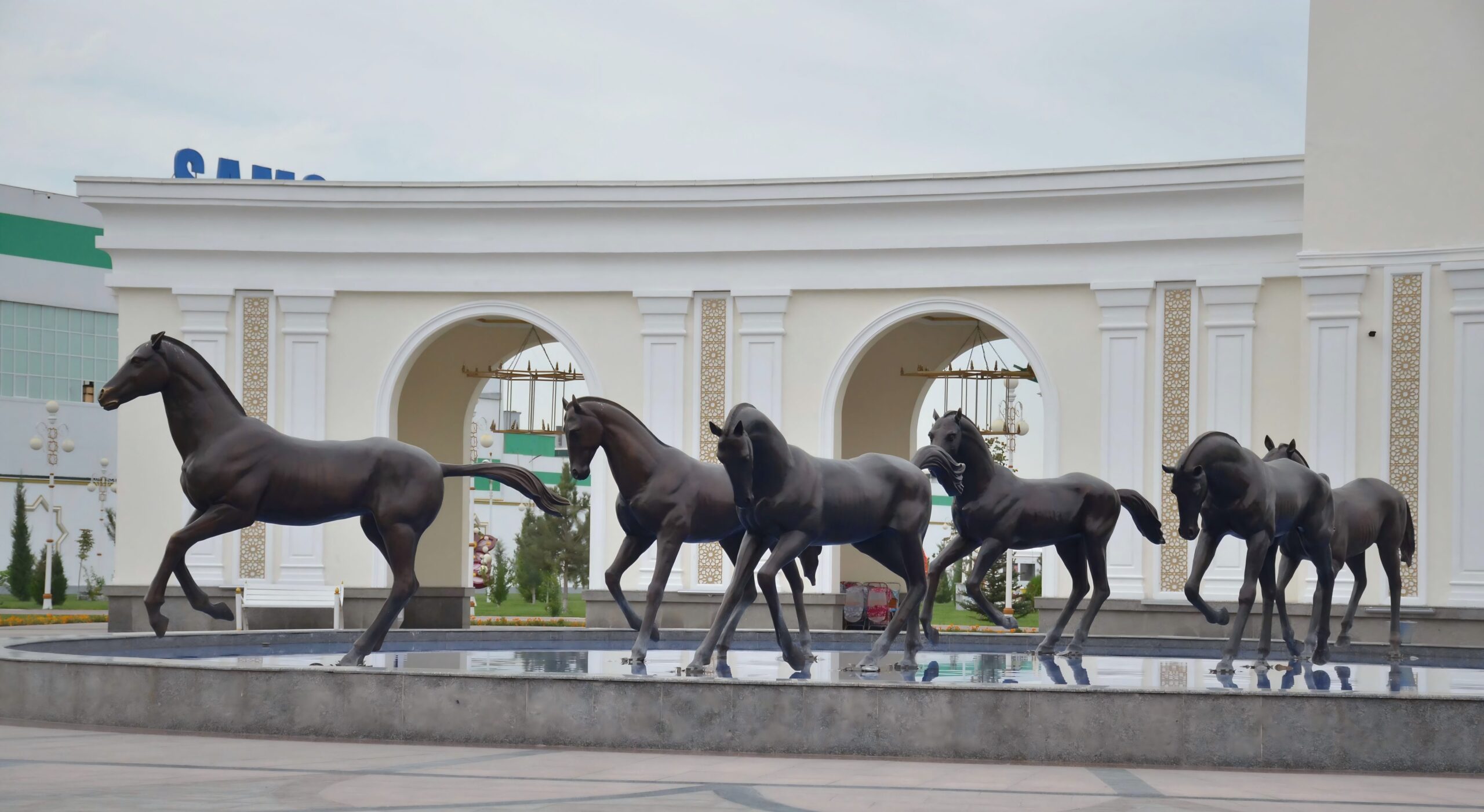
2. Bronze Animal Sculptures
Animal sculptures often require careful treatment of muscle definition, fur, movement, and body proportions.
The complexity can vary significantly depending on the animal and pose.
For example, a simple standing animal is generally easier to fabricate than a running, jumping, or multi-animal composition.
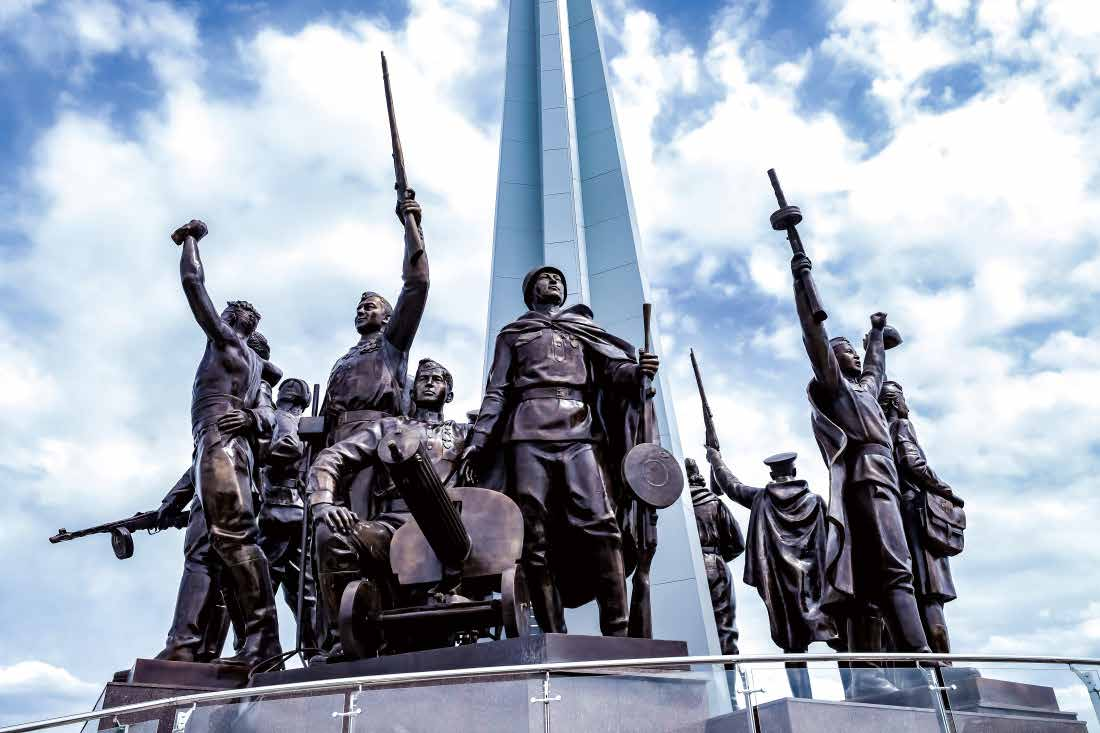
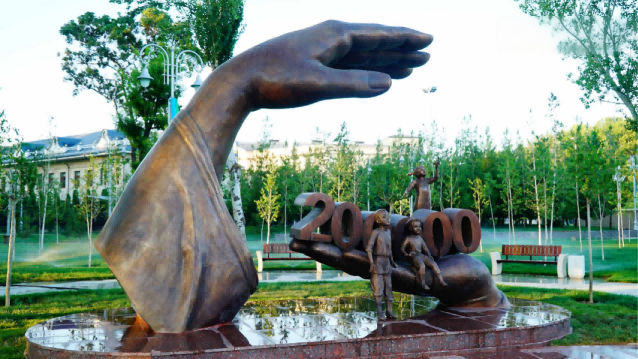
3. Bronze Memorial Sculptures
Memorial sculptures are often larger in scale and may include figures, pedestals, inscriptions, or cultural elements.
These projects may need to consider:
- Figurative design
- Memorial theme
- Large scale
- Outdoor environment
- Internal structure
- On-site installation
As a result, the total project cost may depend not only on the sculpture itself but also on the requirements of the overall memorial space.
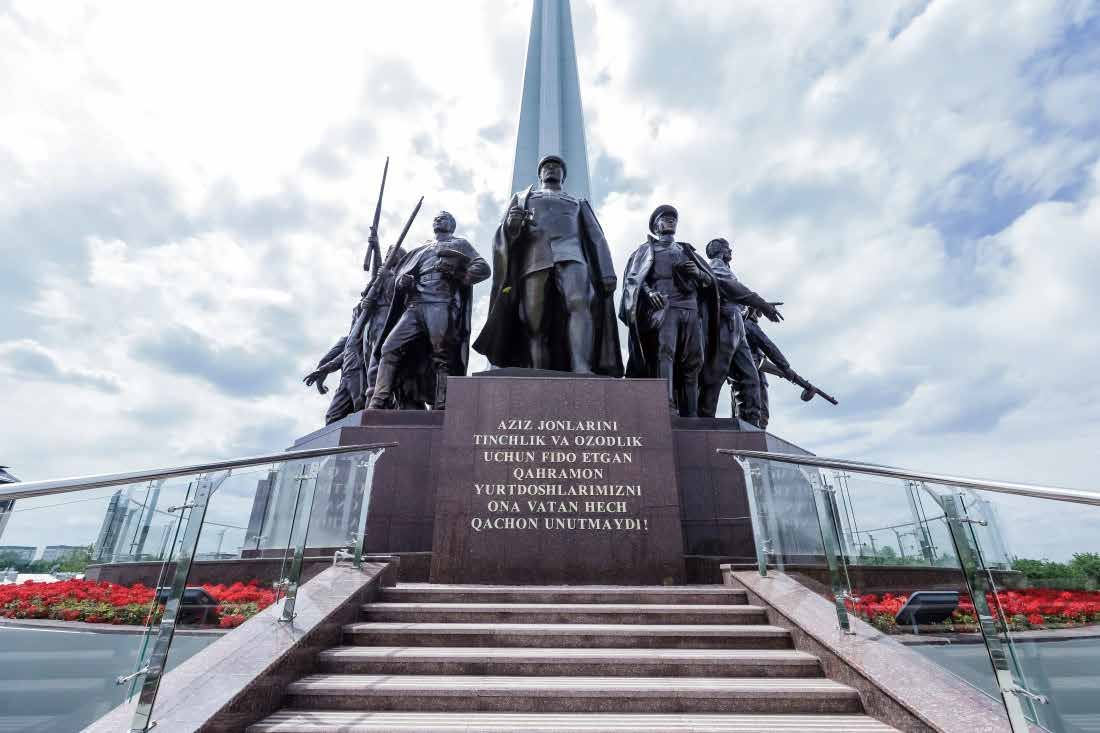
4. Bronze Sculpture Groups
Sculpture groups usually consist of multiple figures or forms arranged as one composition.
Compared with a single sculpture, they require more consideration of relationships between figures, gestures, proportions, and overall composition.
Each figure may also require separate clay modeling, mold making, casting, and finishing, which generally increases both production time and labor costs.
04 What Information Is Needed for a Bronze Sculpture Quote?
To receive a more accurate quotation, it is helpful to provide as much project information as possible.
Useful information includes:
- Reference images or drawings
- Approximate dimensions
- Quantity
- Installation location
- Indoor or outdoor use
- Preferred finish or patina
- Project timeline
- Shipping destination
If architectural renderings, landscape drawings, or site photos are available, they can also be provided.
The more complete the project information, the more accurately the quotation can reflect the actual requirements.
05 How Can You Control the Budget of a Bronze Sculpture Project?
Controlling the budget does not necessarily mean lowering the specification of the sculpture.
A more effective approach is to reduce unnecessary changes and rework during the project.
Confirm the Size & Design Early
The earlier the size and overall form are confirmed, the more stable the later clay modeling, structural design, and mold-making stages will be.
Frequent changes to scale or posture during production can lead to additional costs.
Confirm Details During the Clay Model Stage
Facial expressions, poses, clothing folds, and animal forms should ideally be fully reviewed during the clay-model stage.
Major changes after mold making or casting has started can be much more expensive.
Consider Transportation During Design
For large sculptures, transportation limitations should be considered from the beginning.
A well-planned sectional design can reduce shipping difficulties and also make on-site installation more efficient.
Plan the Structure & Foundation Early
If structural and foundation requirements are only considered late in the project, they may affect the original sculpture design.
Coordinating the structure during the design stage is usually more efficient.
Confirm the Surface Finish in Advance
Bronze color and patina effects should ideally be confirmed before final finishing begins.
If the project requires a specific color, reference images or finish samples can be provided in advance.
06 Need a Price for Your Bronze Sculpture Project?
If you already have drawings, reference images, dimensions, or other project information, send them to us.
We can prepare a more specific quotation based on the sculpture’s size, design complexity, quantity, fabrication process, surface finish, transportation, and installation conditions.