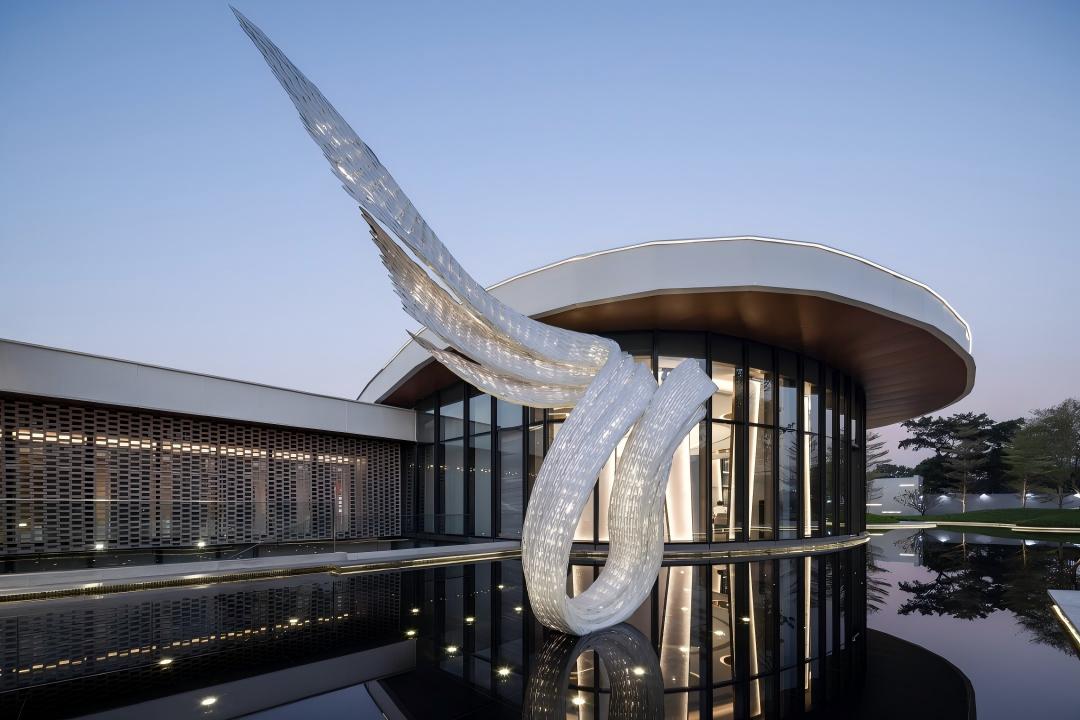
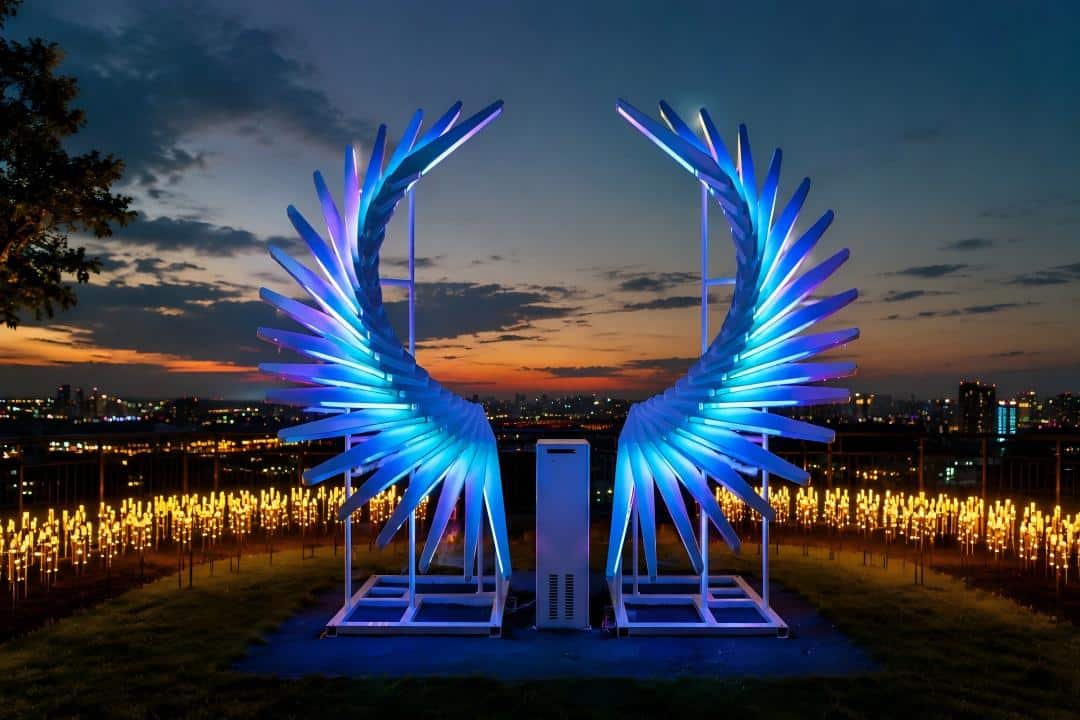
Large sculptures usually cannot be transported as a single piece, so sectional design is a common part of production and project delivery.
However, more sections do not necessarily mean a better solution. If there are too few sections, individual components may become too large or too heavy, increasing transportation and lifting difficulty. If there are too many sections, more on-site positioning, connections, welding, adjustments, and surface restoration will be required.
Therefore, sectional planning for large sculptures needs to balance transportation feasibility, structural safety, on-site installation, and final appearance.
1. Why Are More Sections Not Always Better?
As the number of sections increases, the number of connection points that need to be handled on site also increases.
The main impacts include:
- More connection points: Each section needs to be positioned, connected, and fixed.
- More on-site adjustment: Components may require repeated adjustment of position and angle.
- Greater risk of accumulated error: Small deviations across multiple connected sections may affect the overall form.
- Longer installation time: More lifting, connecting, welding, and inspection work is required.
Therefore, although more sections may reduce the transportation difficulty of each individual component, they can also transfer more work to the on-site installation stage.
2. How Can Too Many Sections Affect the Final Result?
In addition to increasing installation work, excessive sectional divisions may also affect the final surface quality and overall form of the sculpture.
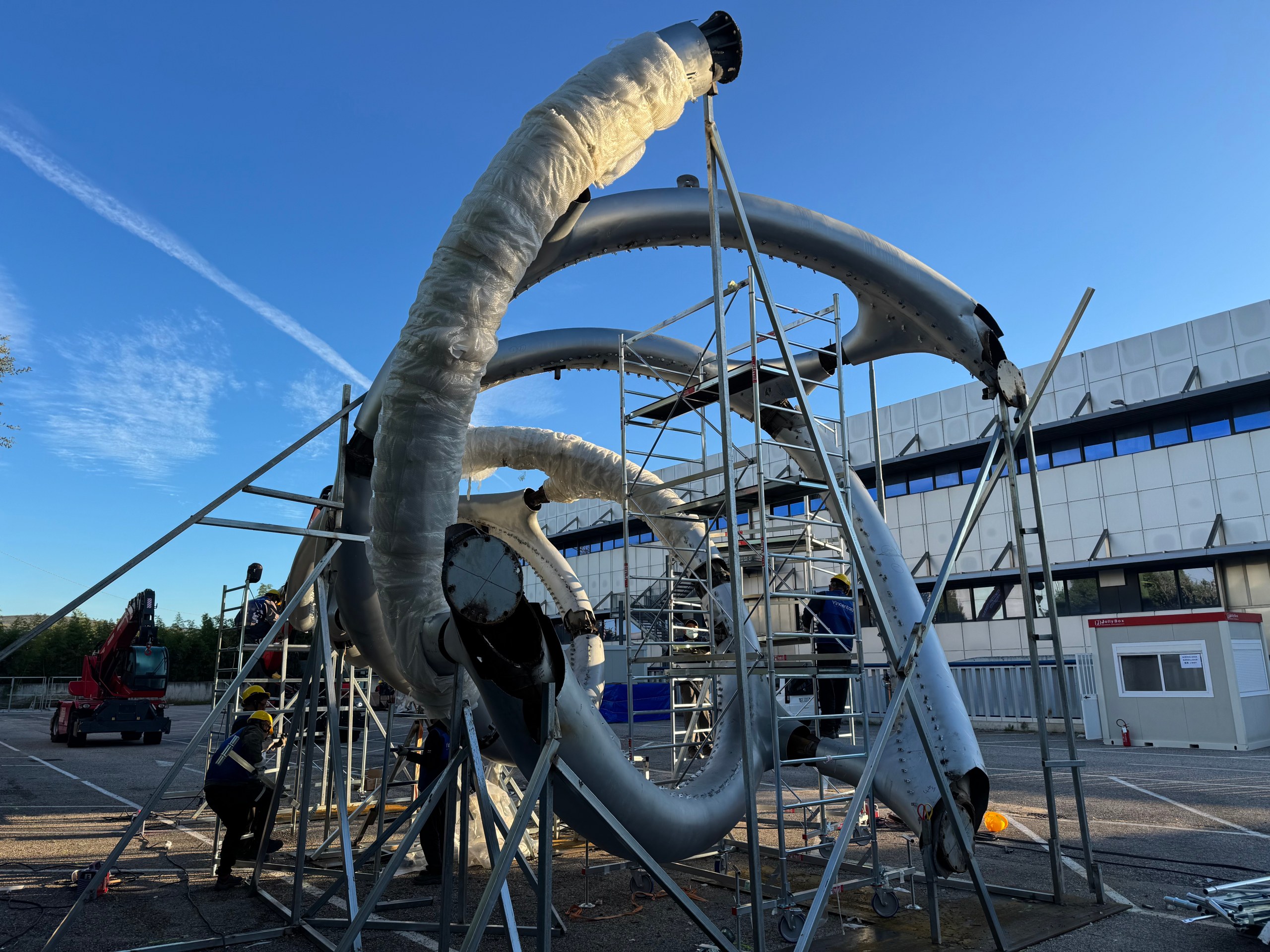
Stainless Steel Sculptures
After a large stainless steel sculpture is assembled on site, the following areas usually need to be handled:
- Welding positions
- Seam grinding
- Mirror polishing or brushed finish restoration
- Surface continuity
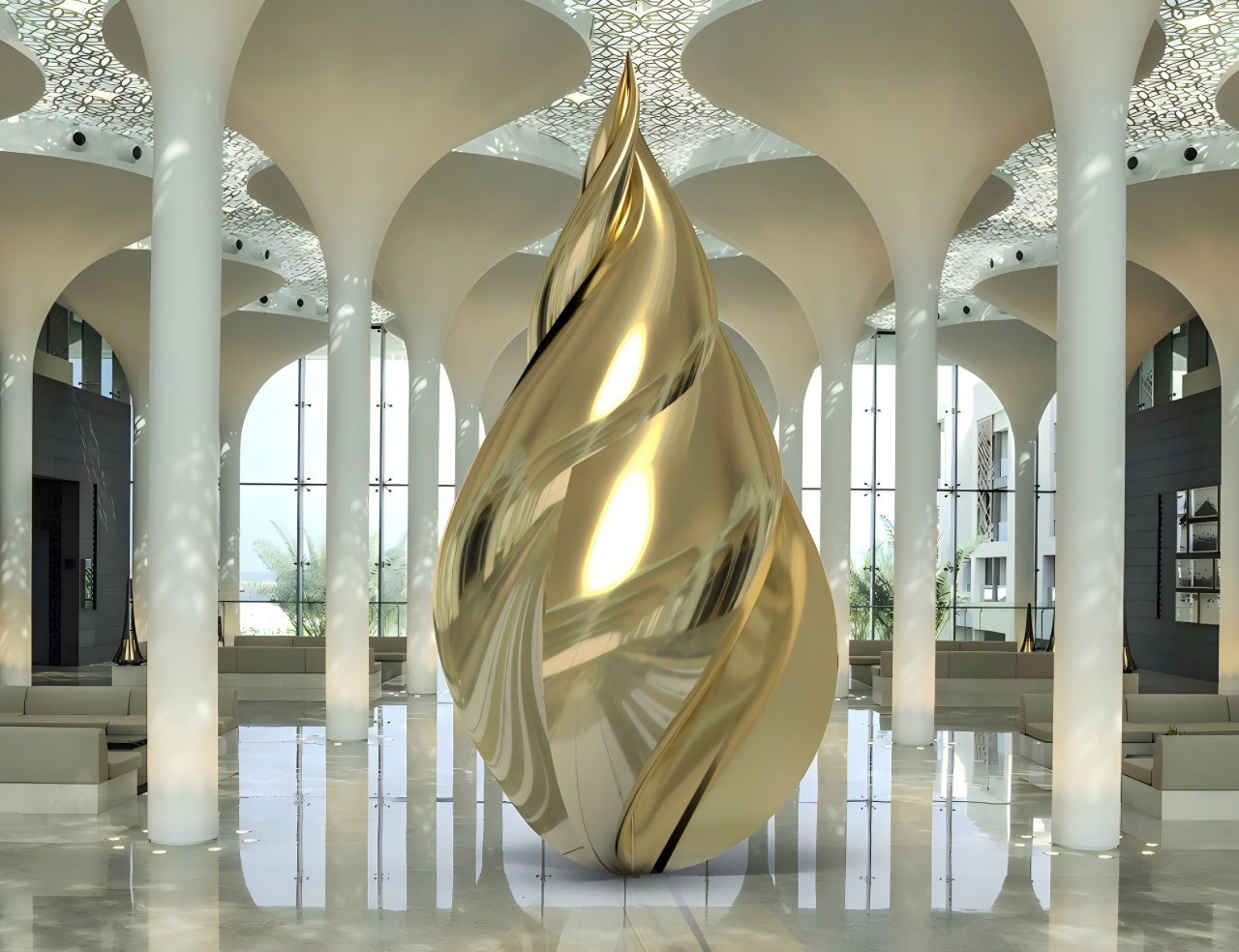
For mirror-polished stainless steel sculptures in particular, more joints usually mean greater difficulty in restoring a consistent surface finish on site.
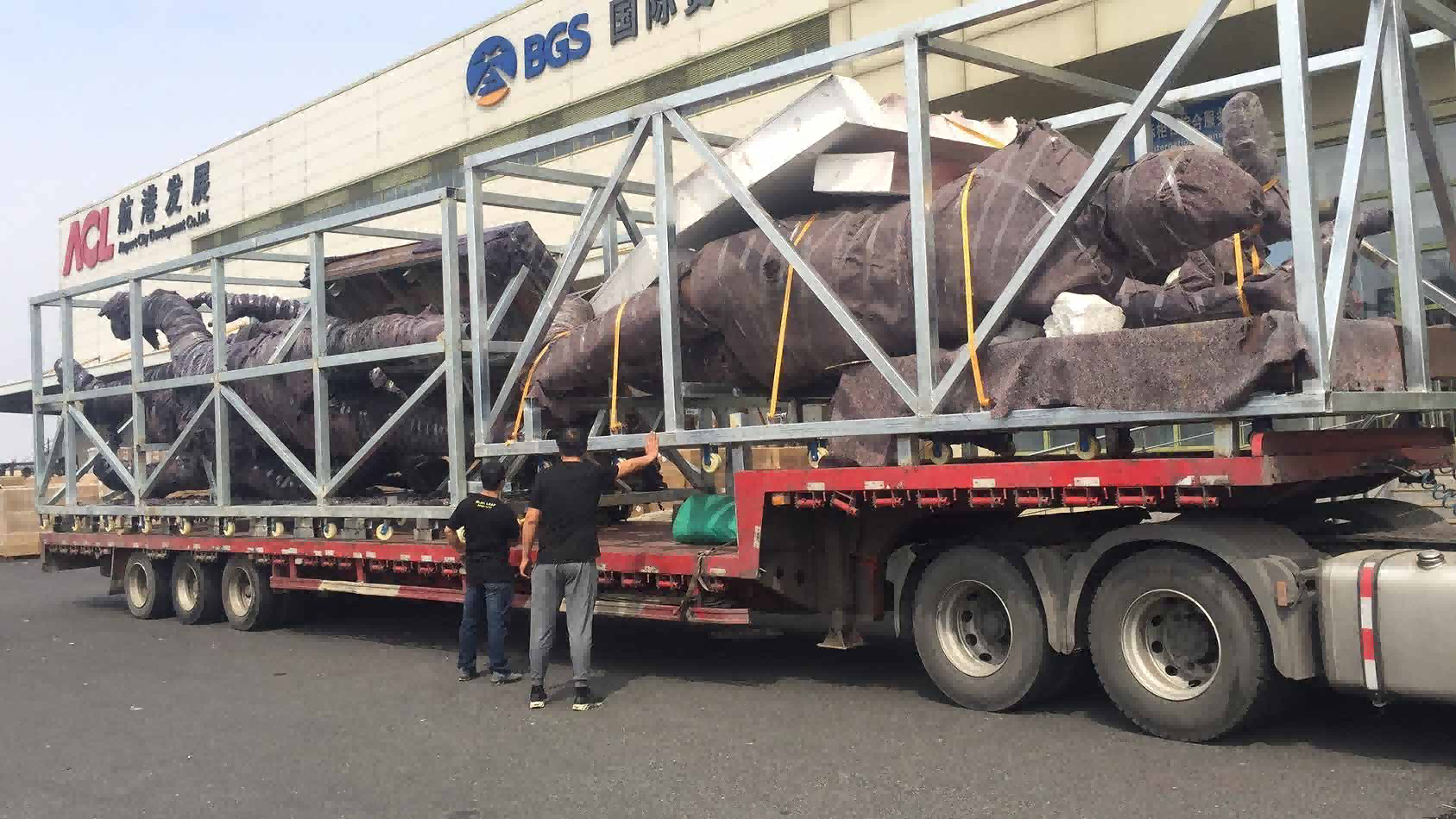
Bronze Sculptures
Large bronze sculptures are usually made from multiple cast sections. Too many sections can increase:
- Casting connection points
- Seam treatment
- Restoration of aged or patina finishes
If the connection areas are not handled properly, they may also affect the overall form and surface appearance.
Complex Sculptural Forms
For continuous curved surfaces, dynamic figurative sculptures, or complex abstract structures, the location of each section can also affect the overall silhouette.
If the sectional design is not properly planned, the sculpture may still be assembled successfully, but additional adjustment may be required and the continuity of the final form may be affected.
3. How Should a Large Sculpture Be Divided into Sections?
A reasonable sectional plan cannot be based only on transportation dimensions. The actual conditions of the entire project also need to be considered.
Key factors usually include:
- Transportation size limits: Whether each component can fit into a container or other transportation method.
- Individual component weight: Whether the weight is suitable for factory handling, transportation, and on-site lifting.
- Sculpture form: Sections should be placed where they have less impact on the overall visual appearance.
- Internal structure: Section locations need to match the structural connection system.
- Joint locations: Consider whether the joints can be easily treated and the surface restored after on-site connection.
- Installation conditions: Crane access, construction space, and on-site assembly methods should all be confirmed in advance.
The goal is not to divide the sculpture into as many small components as possible, but to minimize unnecessary on-site connections and adjustments while ensuring that transportation remains practical.
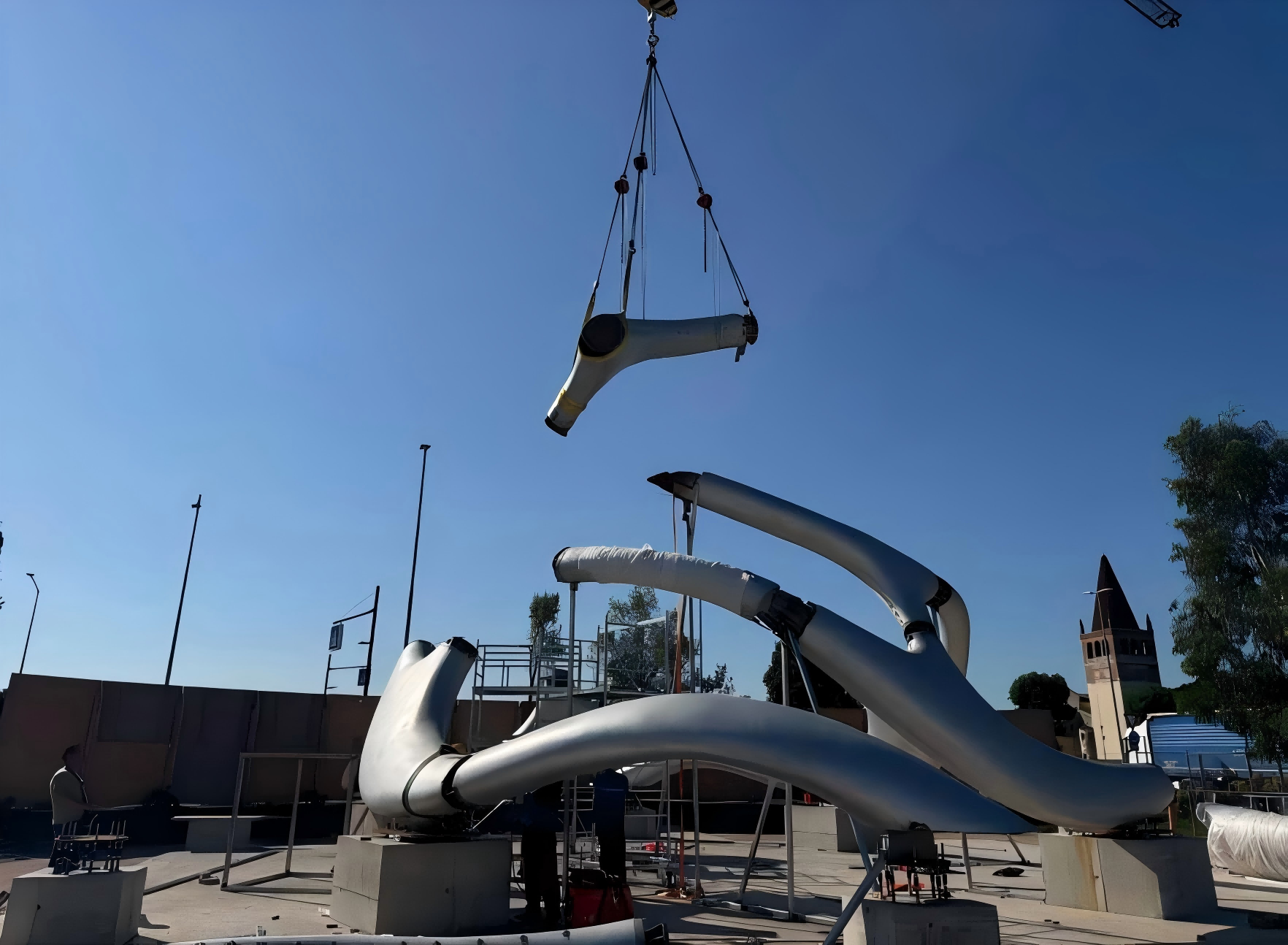
How Does Vincentaa Plan Sections for Large Sculptures?
Vincentaa considers the relationship between sectional design, structure, transportation, and on-site installation during the design development stage of a large sculpture project.
Based on the sculpture form, material, transportation conditions, and project site, we help plan component sizes, connection methods, and installation solutions so that the sculpture is suitable for transportation while also allowing smooth on-site assembly and final surface restoration.