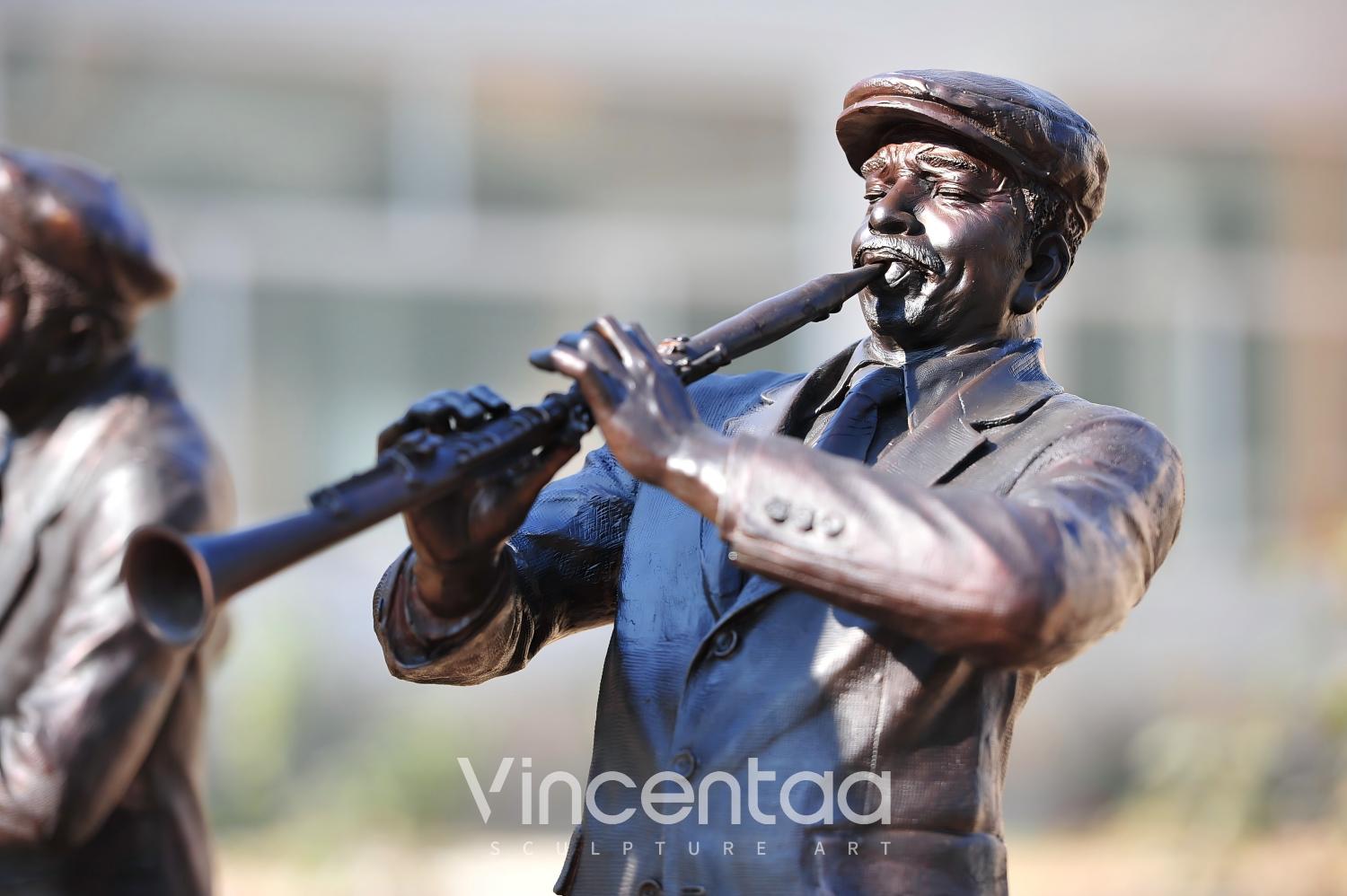
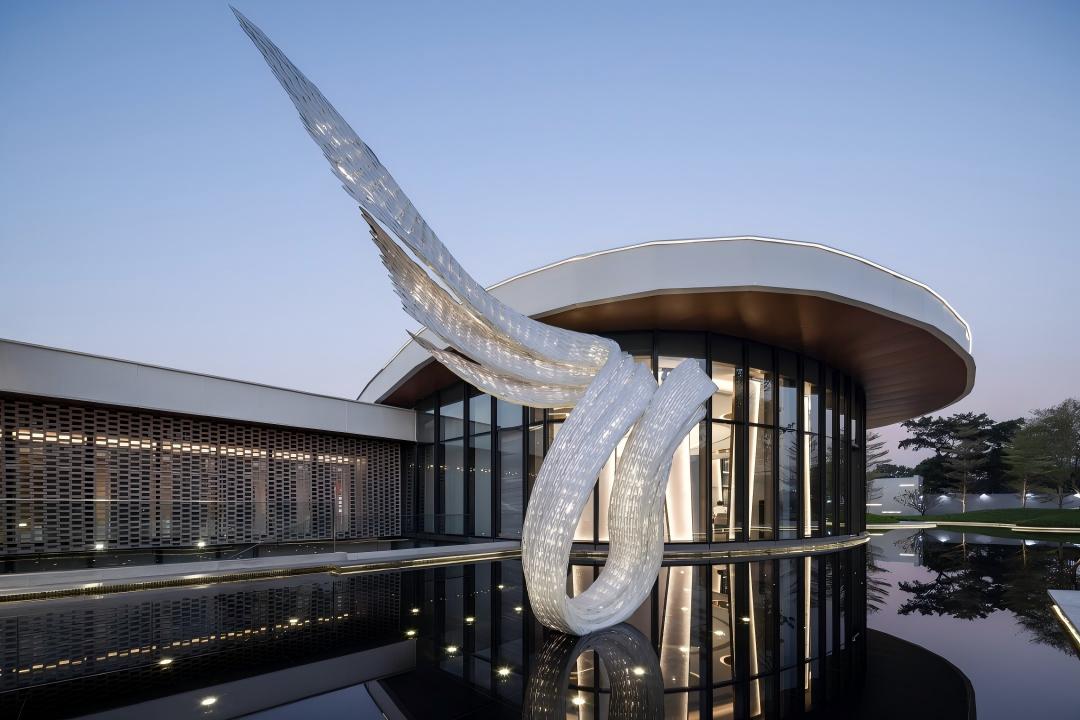
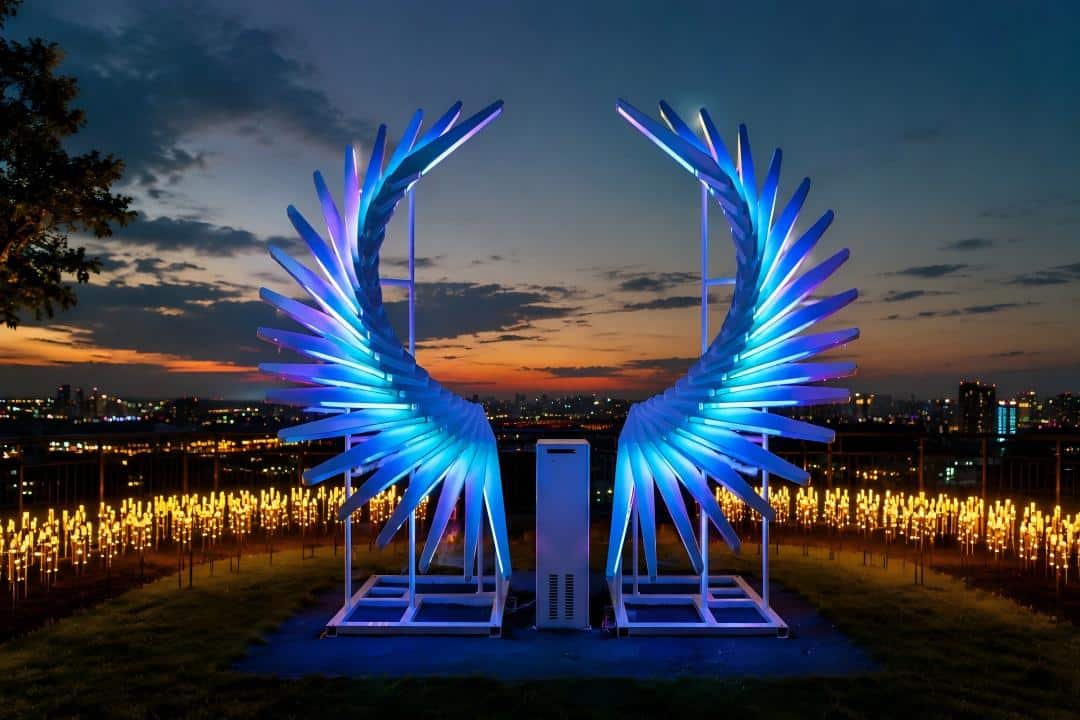
Bronze is one of the most widely used materials for sculpture casting. Whether for figurative sculptures, animal sculptures, memorial sculptures, or public art installations intended for long-term display, bronze provides an effective balance of fine detail, durability, and artistic quality.
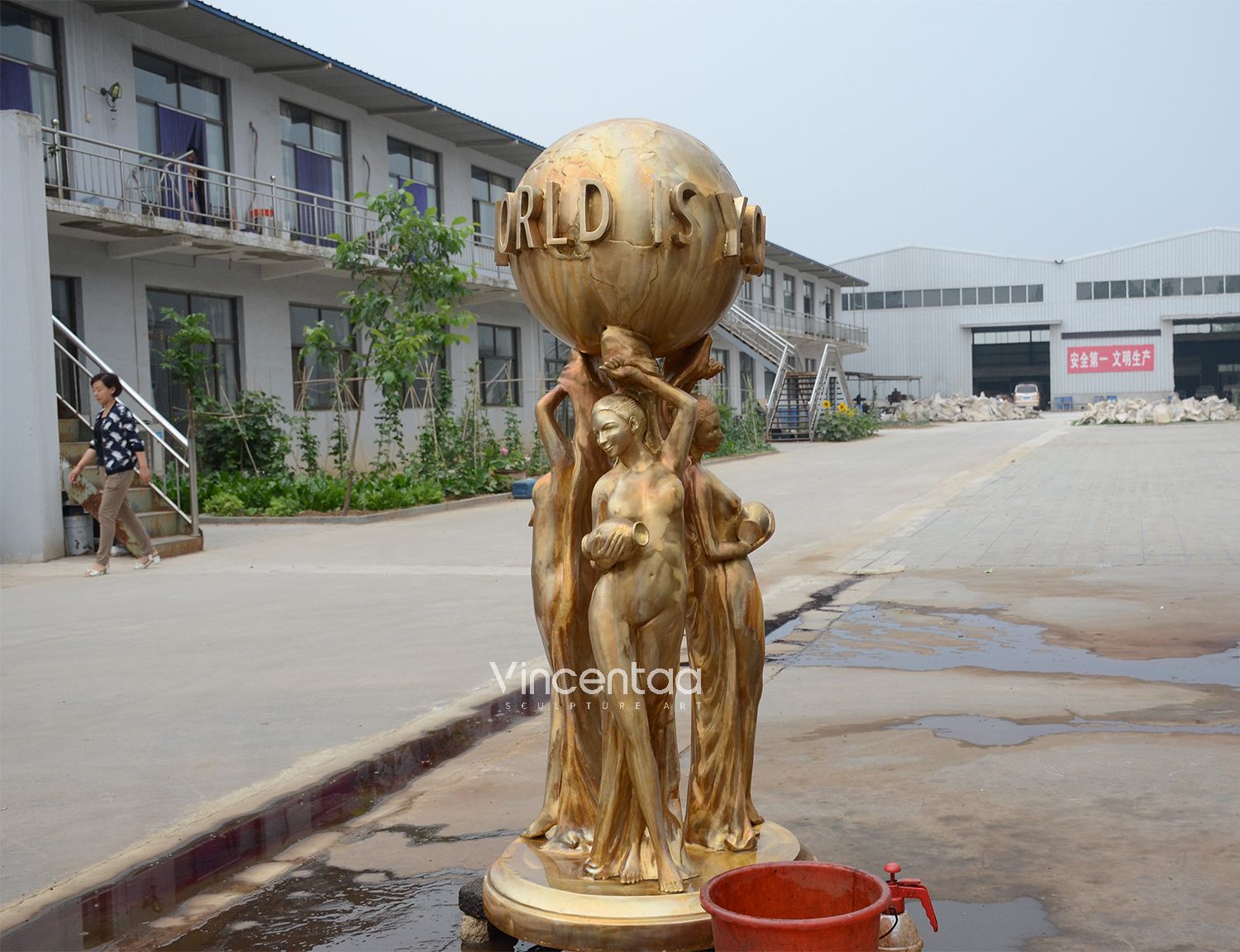
1. Why Is Bronze Suitable for Sculpture Casting?
Bronze is well suited to sculpture casting because it can accurately reproduce complex forms and intricate textures while offering stable material performance and a wide range of surface effects.
Its key advantages include:
- Reproduces complex details such as facial features, animal forms, and decorative textures
- Suitable for long-term outdoor display
- Structurally stable with a long service life
- Available in a wide range of surface colors and textures
- Develops a distinctive visual character over time
- Suitable for memorial, cultural, and public art projects
2. What Types of Sculpture Projects Are Suitable for Bronze?
Bronze is not limited to traditional sculptures. It can also be used in a wide range of public spaces and landscape projects.
1. Figurative Sculptures
Bronze is suitable for expressing facial expressions, clothing folds, and posture details. It is commonly used for sculptures of historical figures, cultural figures, and commemorative subjects.
2. Animal Sculptures
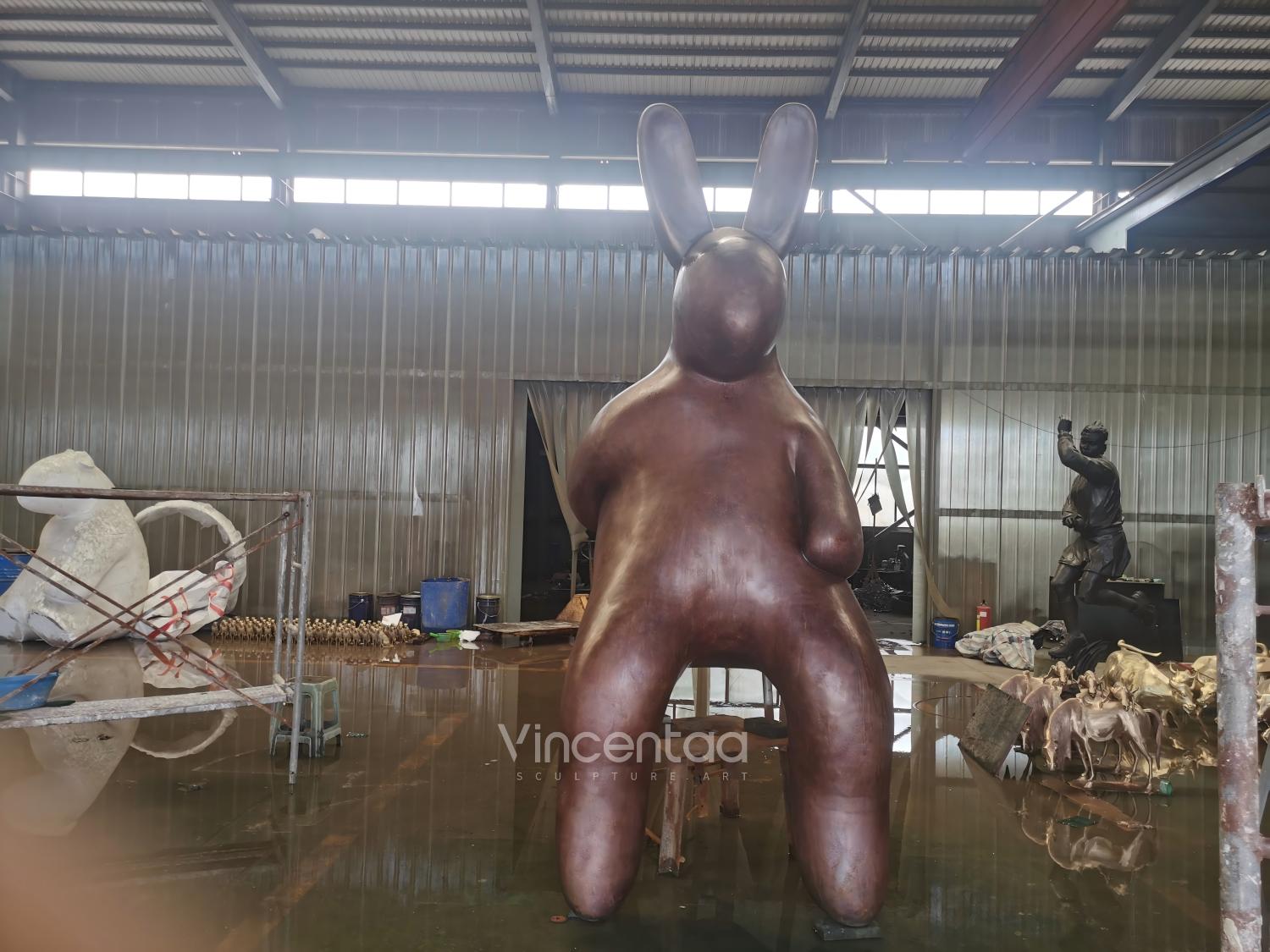
Bronze can accurately reproduce animal fur, muscle definition, and dynamic forms. It is suitable for parks, scenic areas, commercial districts, and themed landscape projects.
3. Memorial Sculptures
With its substantial and dignified appearance, bronze is well suited to urban plazas, memorial halls, cultural venues, and public spaces.
4. Landscape and Public Art Projects
Bronze sculptures can be installed in parks, commercial districts, and landscape focal points, where they integrate naturally with architecture and greenery.
3. What Is the Difference Between Bronze Sculptures and Stainless Steel Sculptures?
Bronze and stainless steel are both commonly used materials for outdoor sculptures, but they are suited to different project styles. Neither material is universally better than the other. The right choice should be based on the project style, sculpture form, budget, installation environment, and long-term maintenance requirements.
| Comparison | Bronze Sculptures | Stainless Steel Sculptures |
|---|---|---|
| Visual Style | More traditional, substantial, and culturally expressive | More modern, minimalist, and architectural |
| Detail Reproduction | Suitable for figurative sculptures, animal sculptures, and intricate textures | More suitable for abstract, geometric, and contemporary forms |
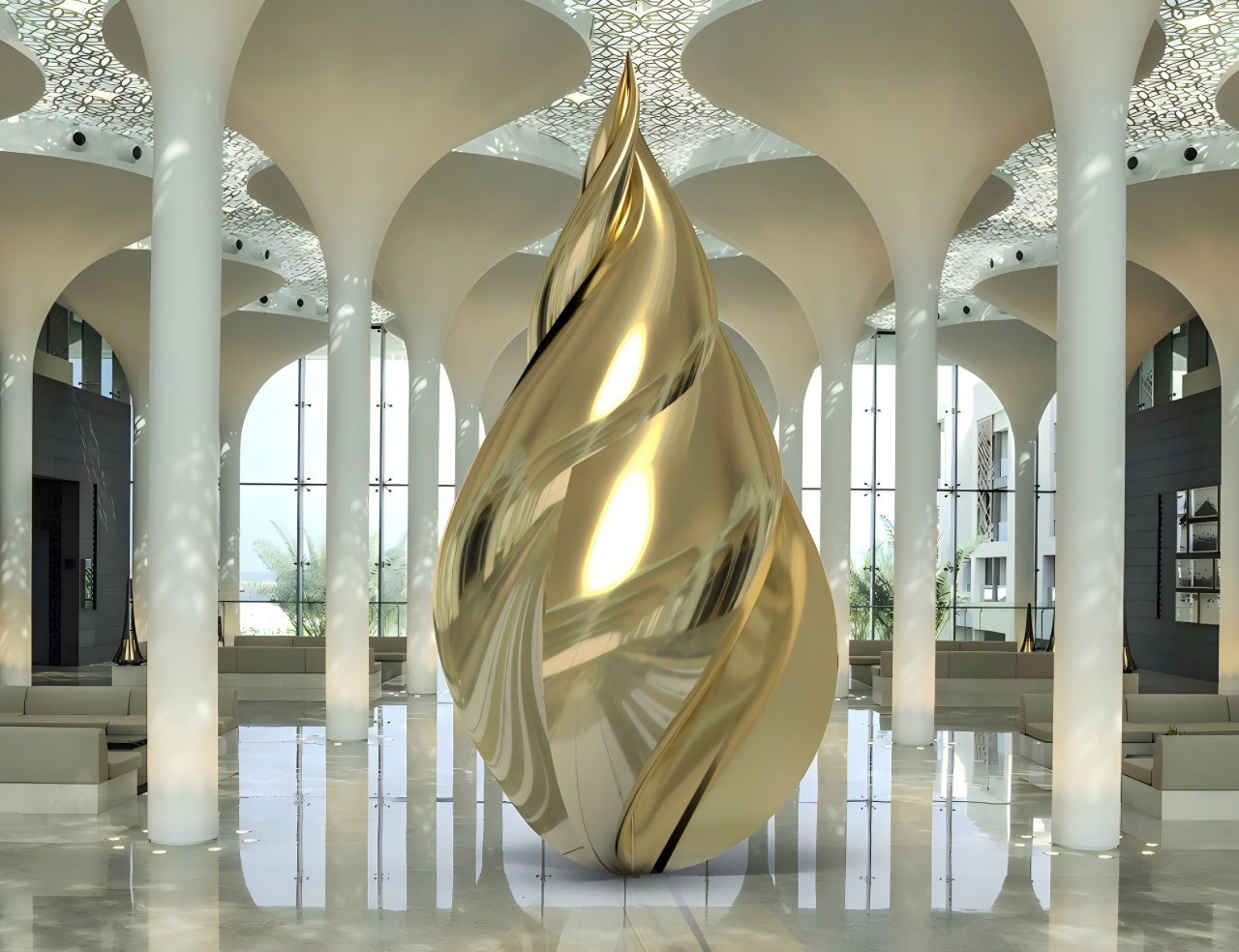
| Surface Effects | Antique bronze, patina, dark brown, and other finishes | Mirror-polished, brushed, coated, and other finishes |
| Common Applications | Figurative sculptures, animal sculptures, and memorial sculptures | Landmark sculptures, commercial plazas, and city entrances |
| Maintenance Focus | Surface oxidation and protective treatment | Surface cleaning and corrosion resistance |